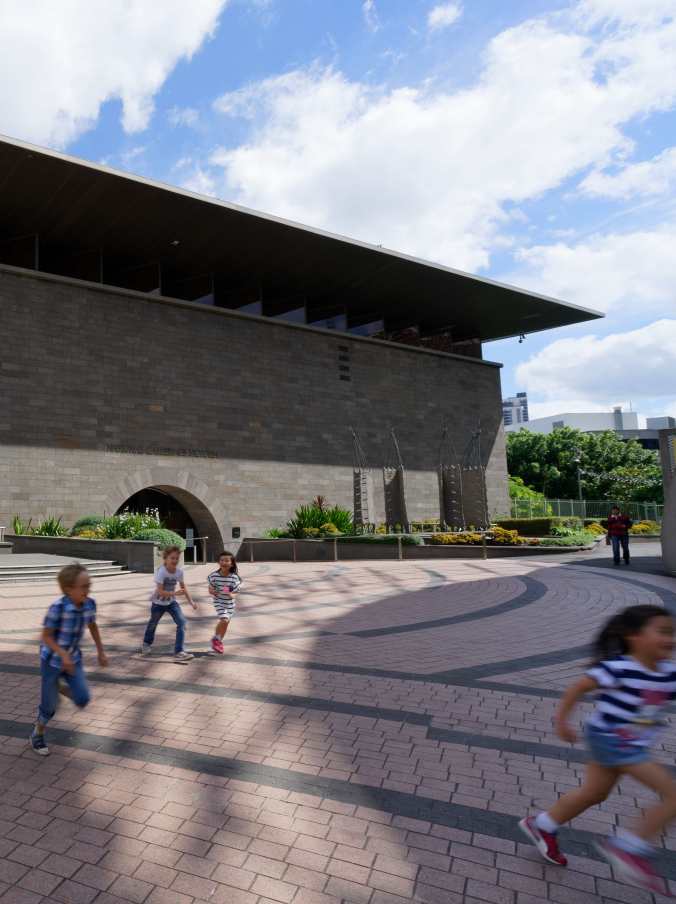
One cannot but judge the architecture of the National Gallery of Victoria (NGV- International), on St. Kilda Road in Melbourne, as falling somewhere between the unfortunate and the disgraceful — this photo of kids playing in the plaza outside it makes it look more serenely seductive than it is. And the interiors! Mostly they’re grim, just grim, especially after a renovation completed in 2004 by the Italian architect Mario Bellini, who created new gallery spaces by dropping opaque stone boxes into the existing building’s glass-covered courtyards, thus destroying what was in all likelihood the principal redeeming feature of the original design.
Even so, it’s the premier museum in one of Australia’s two most cosmopolitan states (Victorians will assert, usually only half-jokingly, Melbourne’s superior cultivation and cosmopolitanism in comparison with Sydney, which we heard characterized — more than once — as some kind of over-the-hill Lady of Questionable Virtue). So, as this building houses National Gallery of the State of Victoria, whatever that means, one is obliged to look.
We found: some nice moments, a couple of welcome surprises, a few terrific pieces, and one stunner, a work of contemporary art.
Inside the dark gray perimeter facades sits a single a light-drenched atrium. If you stay on the ground floor and venture toward the rear, you stumble into this.
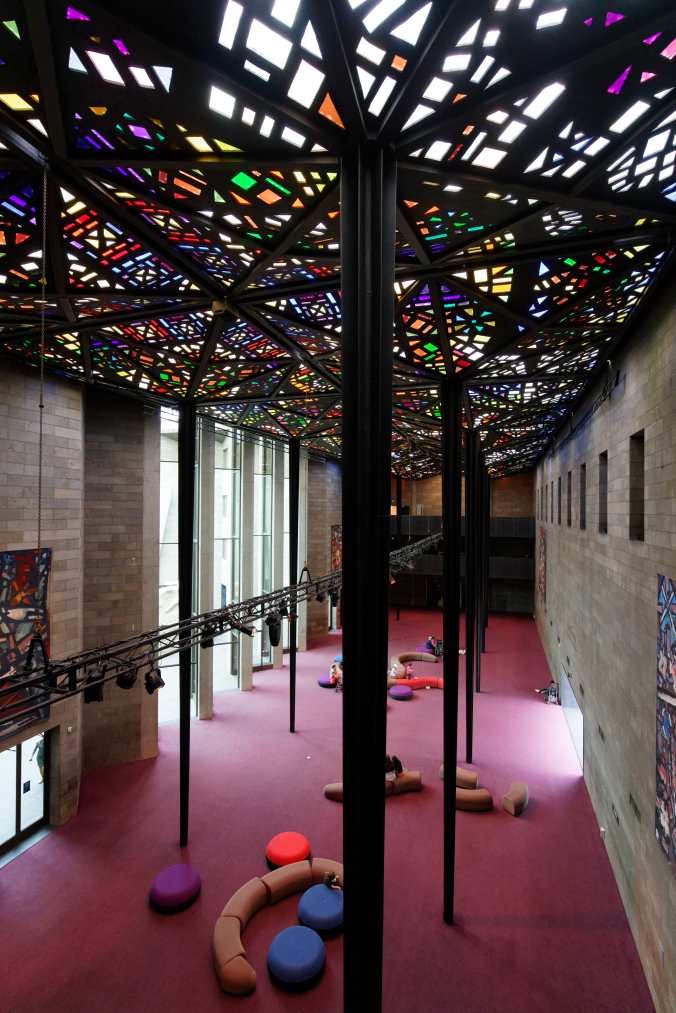
In the 1960s, Leonard French, a celebrated Australian artist, worked for five years on a stained glass ceiling for what’s called the Great Room, as if this were some kind of edgy update of the great rooms in historic British manor houses. Impressive, and to my eye more pleasurable to behold than the verging-on-kitsch Tiffany glass compositions that the ceiling recalls. The museum’s curators seem a bit flummoxed as to how to use this space; basically, they’ve thrown a few cushiony pieces in there and invited the children in to play. And they do.
Upstairs (where the windows are, on the upper right), we found galleries devoted to the decorative arts, including one offering up an abundance of very fine Wedgewood — all those aspirant 19th-century Australians adopting British tastes, I suppose. I’ve come to appreciate Wedgewood’s refinement quite a lot, thanks to the enthusiasm and beneficence of my beloved mother-in-law, Norma. This amusing Egyptian piece struck my fancy, though Danny predicted that Norma would not take to it. 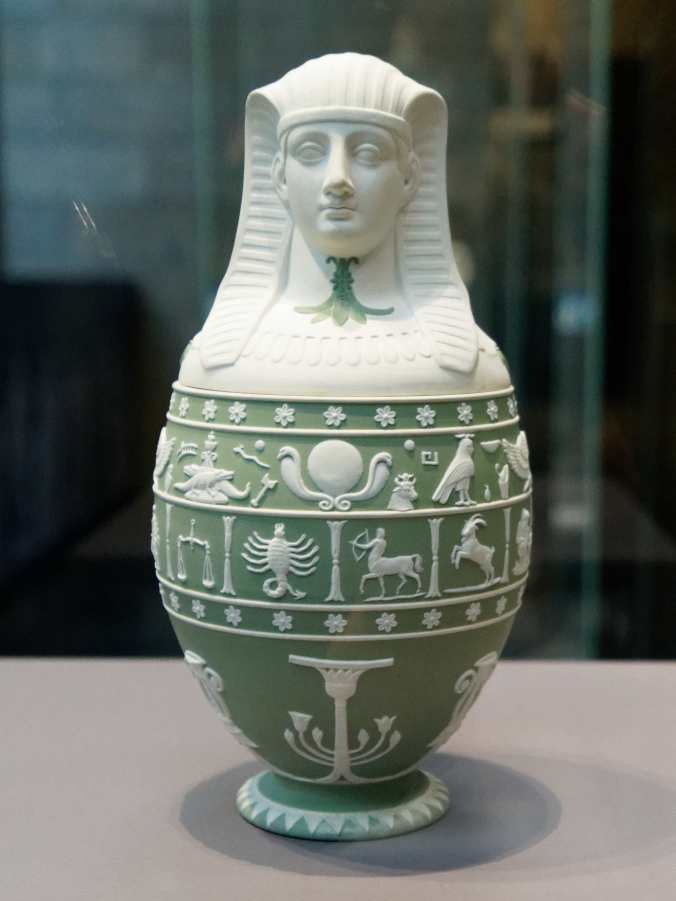
Though we agreed that this one, below. was just her sort of thing.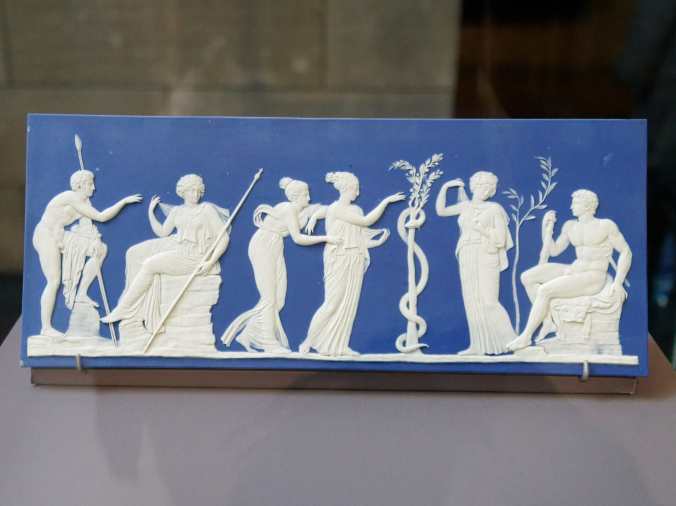
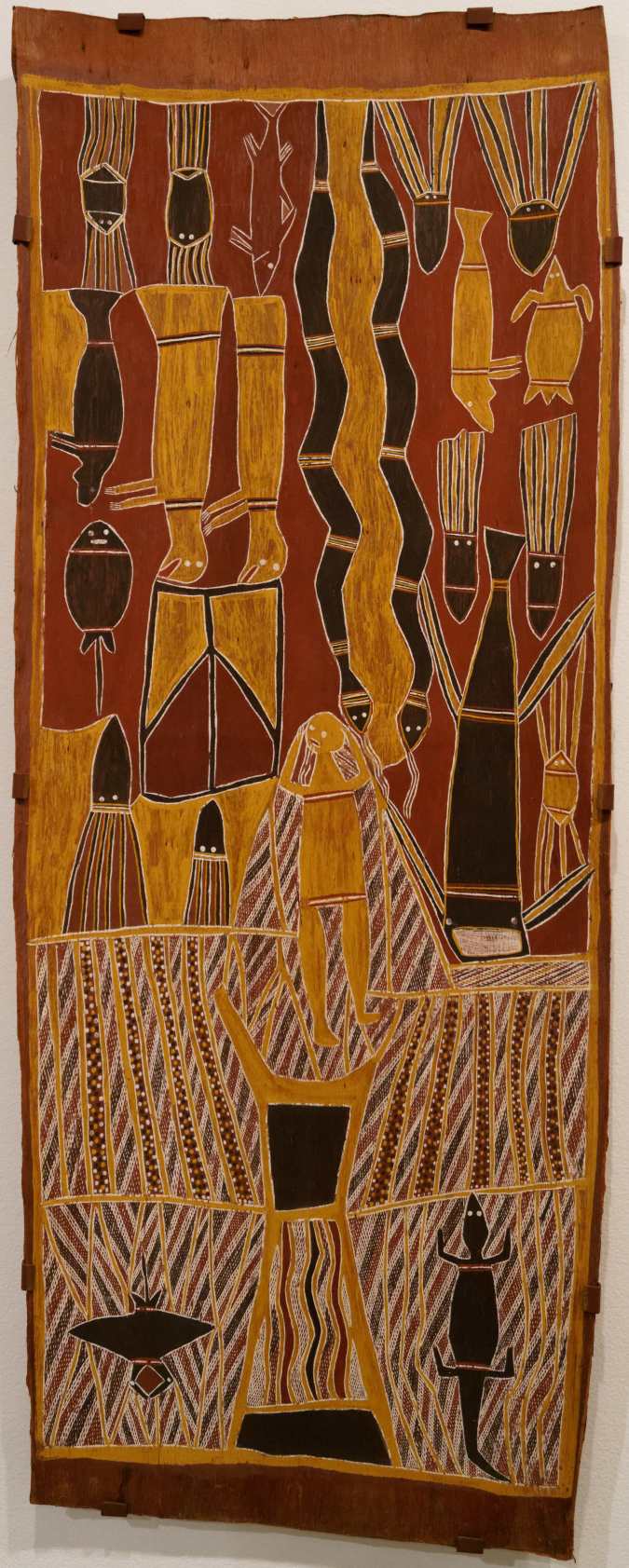
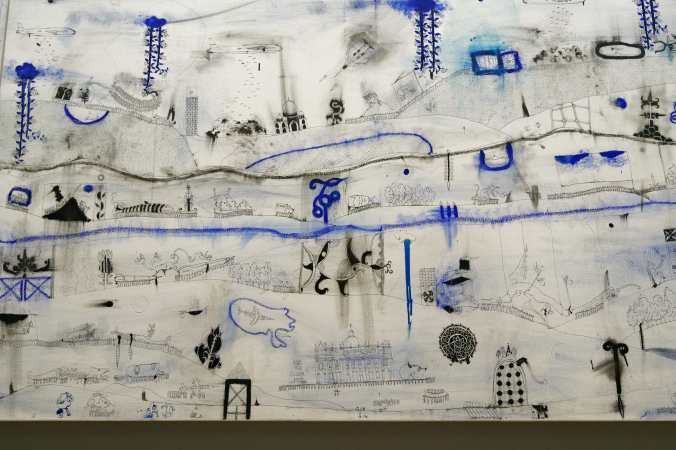
The NGV and the Art Gallery of New South Wales in Sydney exhibit a good deal of Aboriginal Art; this, from Sydney, captivated me with its absolutely perplexing pictorial space.
Back in Melbourne’s NGV-International, this beautiful installation, below, of medieval sculptures made these works-from-another-world arresting in a way that the Metropolitan Museum of Art’s installations in its medieval galleries are not. One oddity: in this openly Christian-dominant country (nativity crèches and decorated Christmas trees appear everywhere in the public sphere), the NGV’s wall texts assume not an iota of background knowledge about the religion or its traditions. One went something along the lines of this: Christians consider saints intermediaries between humanity and the divine. Another offered a careful definition of just what an attribute is, and explained how they function iconographically in Christian art. 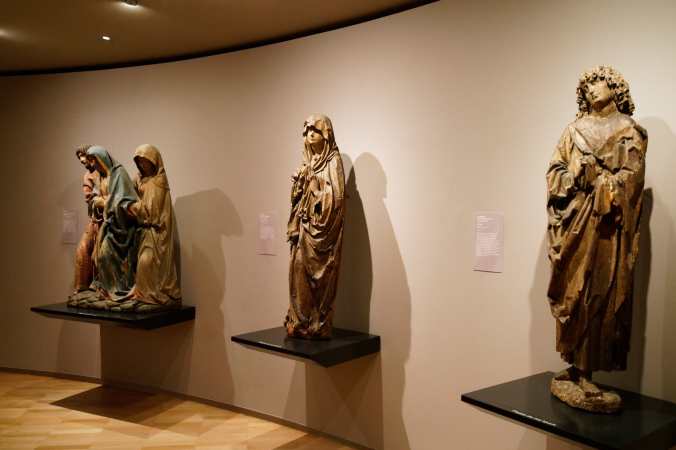
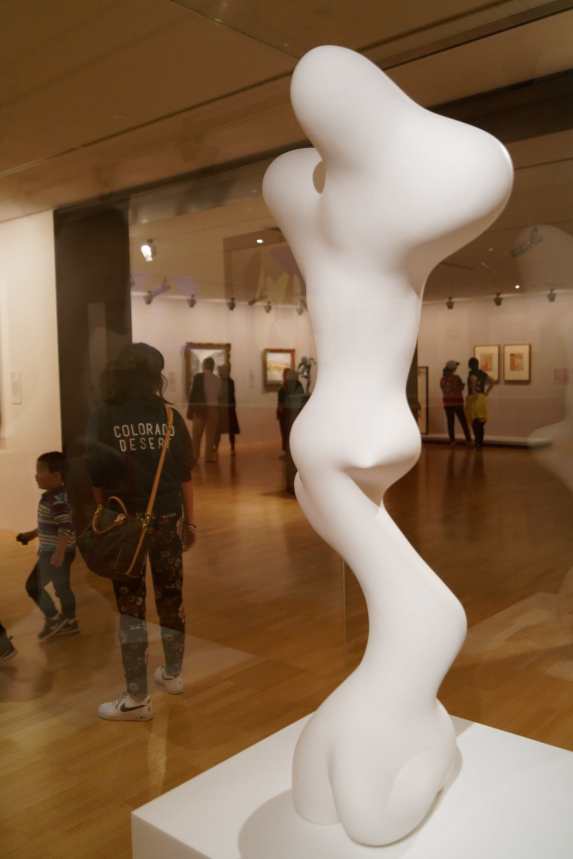
Saint Catherine of Alexandria, a scholar-princess who converted many wayward souls to Christianity merely by dint of her incisive intellect and oratorical powers of persuasion, has always been a secret favorite of mine, and this ca. 16th century Catalan representation of her holding the wheel, a torture device that shattered when her persecutors tried to use it on her, stuck with me. I love the combination of her serene, aquiline features and her slightly dynamic but not-quite-contrapposto-esque pose. 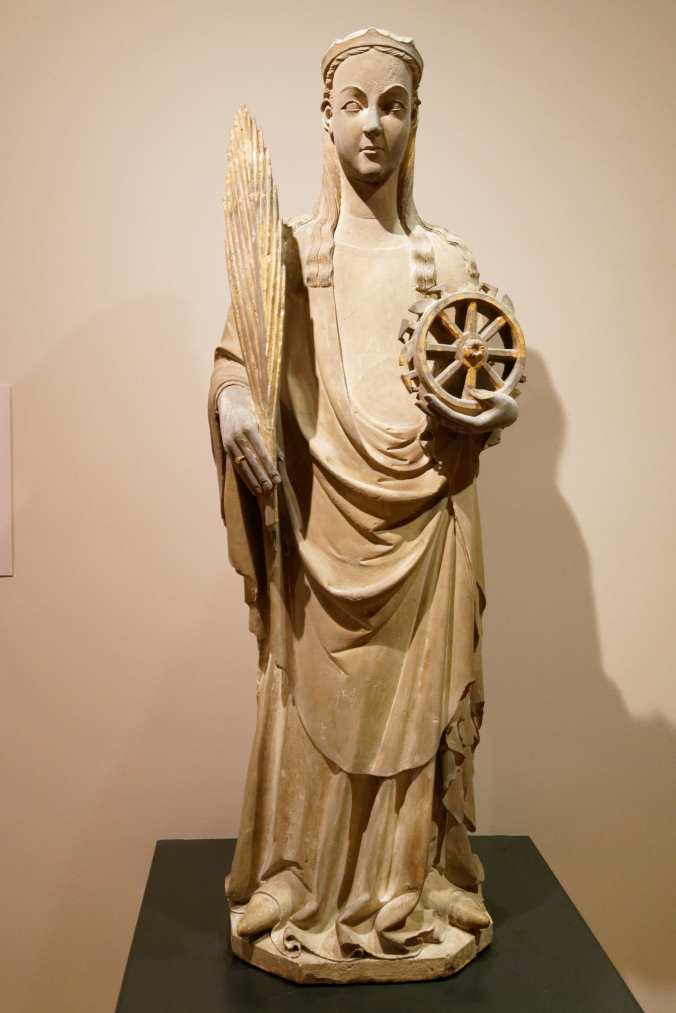 Then we practically ran straight into one of the best Hans (aka Jean) Arp sculptures, from his “Growth” series, that I’ve ever encountered. I was really tempted to hug it.
Finally, looking at the art at the museums in Sydney and Melbourne heightened my appreciation for that artist whose work Danny is so taken by, Del Kathryn Barton. We included one image from her exhibition at the NGV-Australia (which is in a different building from the NGV-International, down the street), a couple of posts ago. Danny loves DKB’s complex compositions, jewel-like colors, the over-the-top patterning and refined detail; I appreciate these but just can’t get over the questionable mythologies she’s drawing on in her depiction of women and their bodies. In any case, this painting is quite typical of what’s on display at her solo retrospective exhibition, and I appreciated it more after reading the catalogue essay, which discussed how influenced she is by medieval painting, with its lapidary colors and lack of recessive spaces. 
It did occur to me, too, that the busyness of DKB’s surfaces bears affinities to Aboriginal painting — here’s one particularly good example, from Sydney. 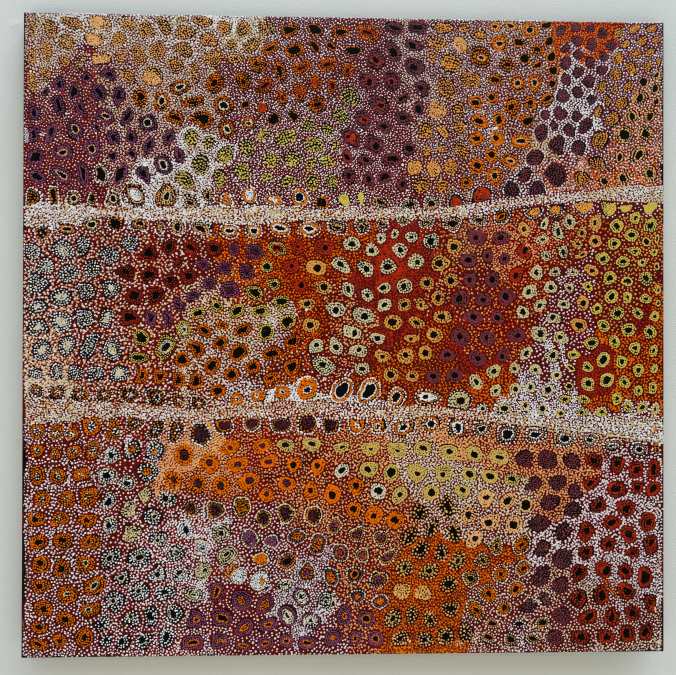
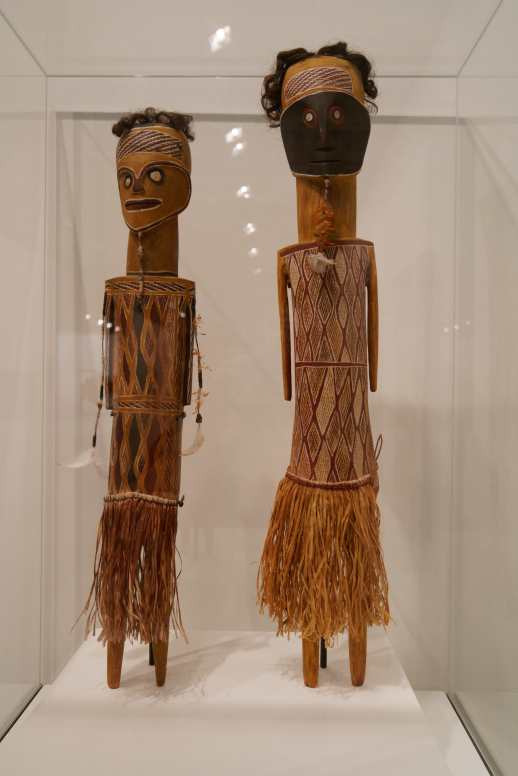
And those big, haunting eyes that appear everywhere in her paintings evoke the haunting eyes in some Aboriginal sculptures, like these two, below.
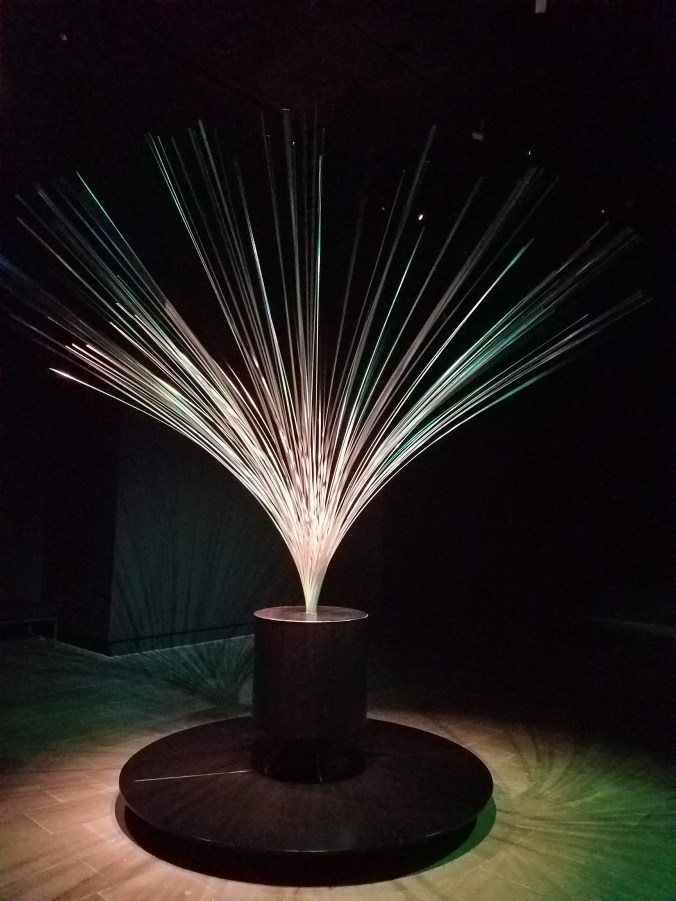
The NGV Triennial was still in the process of being installed when we visited, but luckily, this piece had already been hung; it became the crème de la crème of our art-scouting day. 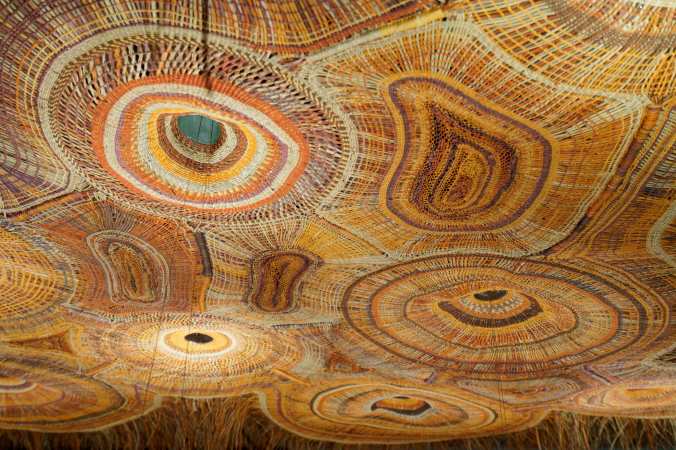
Entitled the PET lamp, this is by Alvaro Catalán de Ocón, a Spanish designer, who worked with the Bula’Bula Arts Aboriginal Corporation to find a group of weavers with whom he could collaborate. They gathered reeds, along with the plants necessary to make the dyes, produced the tints, organized the composition, and wove it. Technically, it’s a chandelier, I guess. Whatever: it’s a stunning, inspiring piece, which the NGV-International’s installation team displayed brilliantly, placing the lamps themselves just above eye level; the large weaving several feet above your head, suspended from the ceiling; and placing circular mirrors on a dais just above floor level. 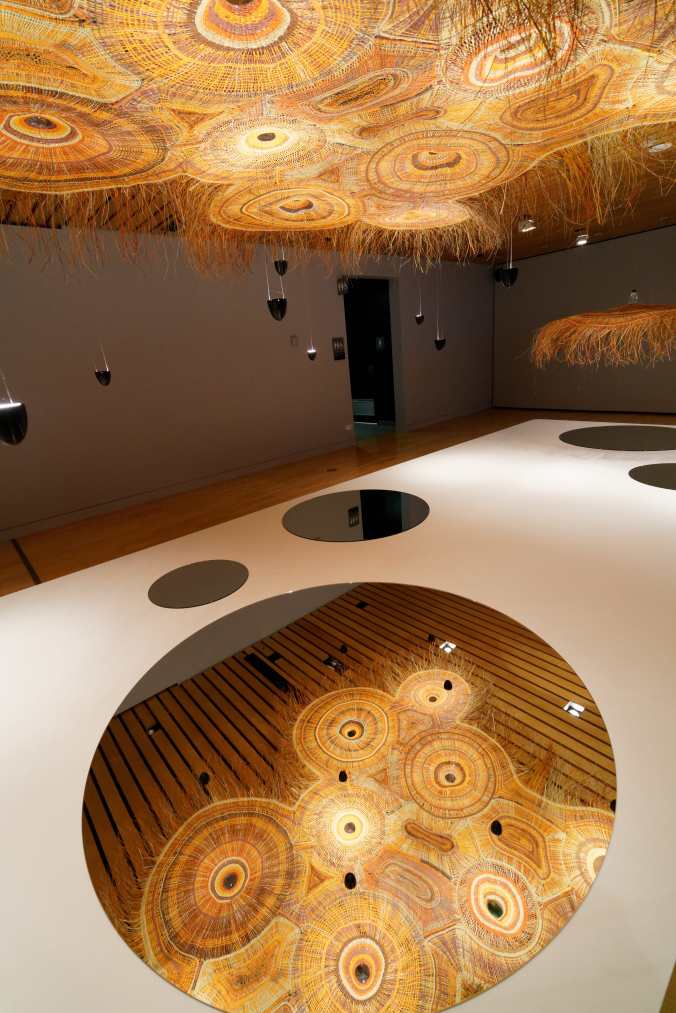 Since mirrors can be used to visually diminish the scale of the object they reflect, you get to experience the piece both as it envelops you, spreading majestically over your head and bleeding into your peripheral vision, and at the same time, regard its entirety by glancing toward the silvery pools of light near your feet.
Seeing this piece set off the kind of all-encompassing, full-body experience of a work of art that is often craved, and rarely realized. Really superb.
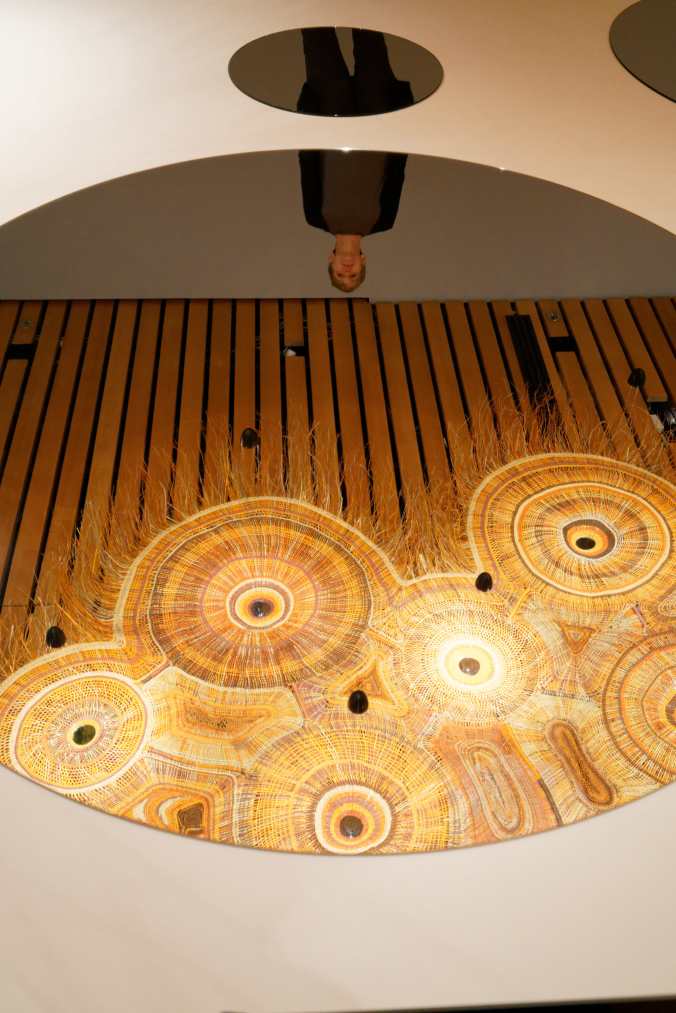
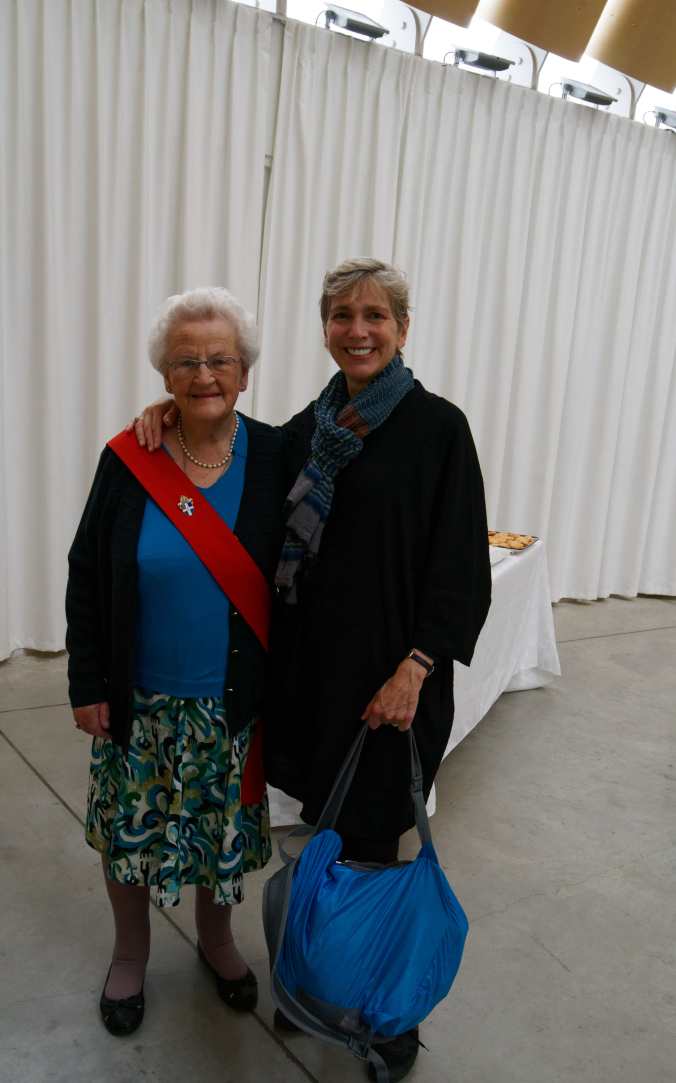
Danny’s been complaining that, since I’m always behind the camera, we run the risk of having few pictures of me from the trip. He gets the photo credit for this one.
— Sarah
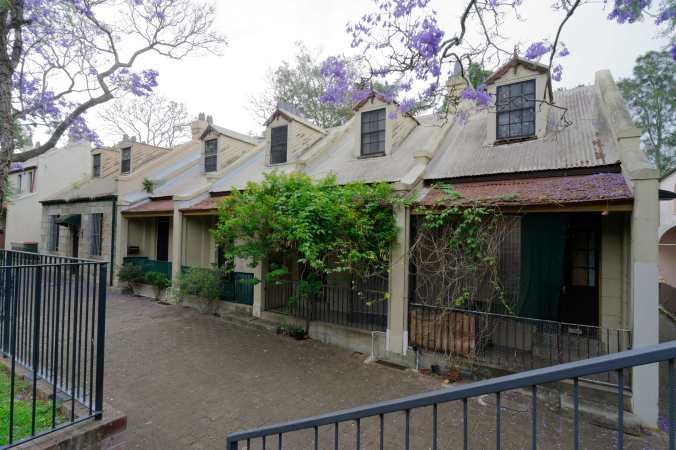
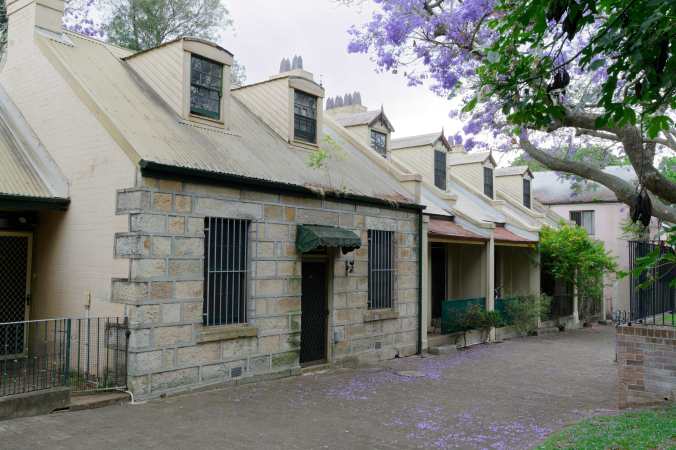 and others masonry. A few of these areas snuggle up to, or surround a little open area akin to a village green– below, look how some kid just dropped her bicycle and walked in her front door with no thought of locks or bike stands. Just as we all used to do, growing up. Right in the middle of Sydney!
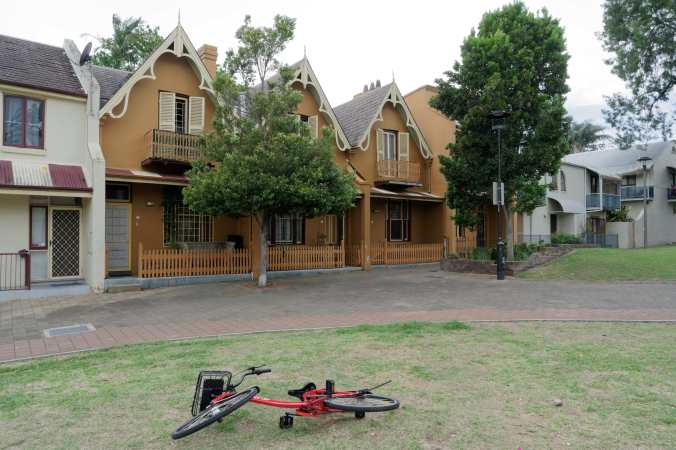 Nearby stood larger buildings that served the original community — perhaps a library, a school, a church. What the building below was or now is remains a mystery, but it’s fairly typical of the small Victorian public infrastructure in both Sydney and Melbourne.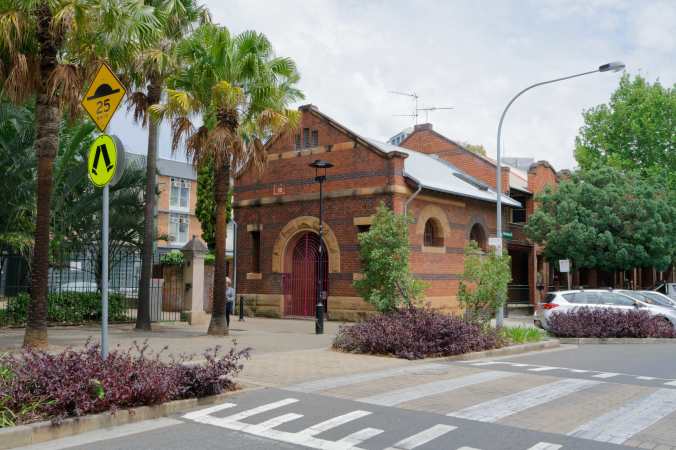
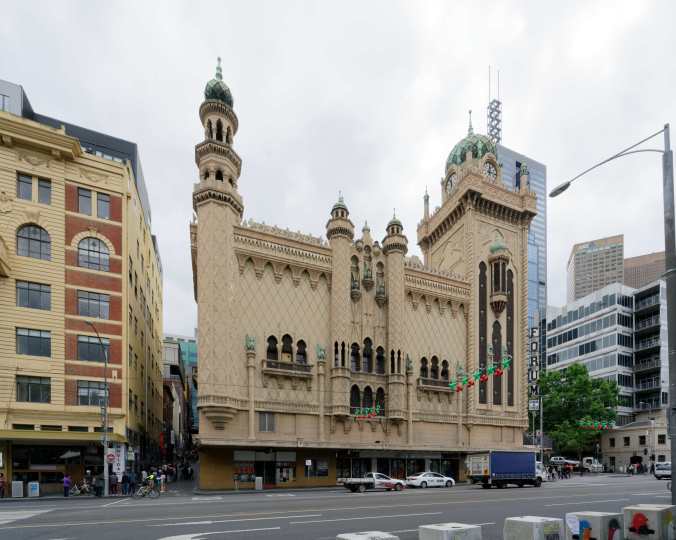
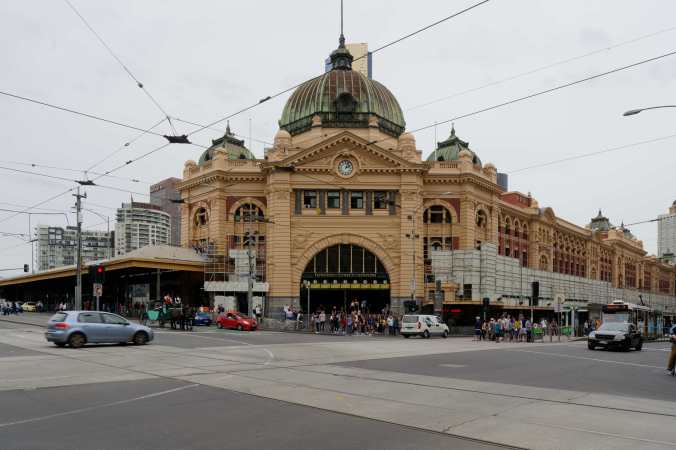
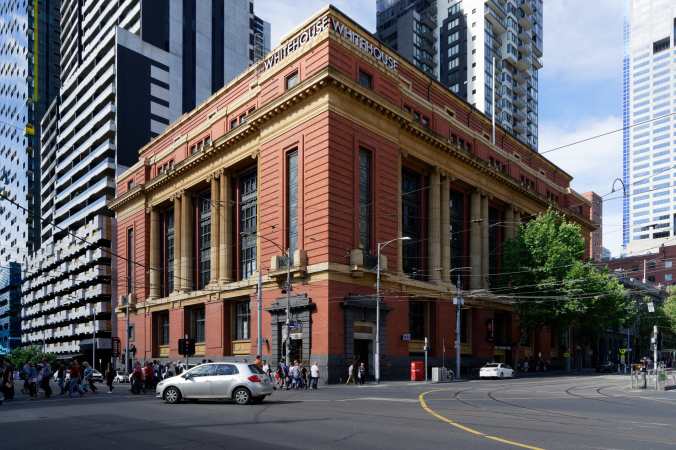 That red-brick/yellow-ochre detailing is a common combination in public buildings in both cities.
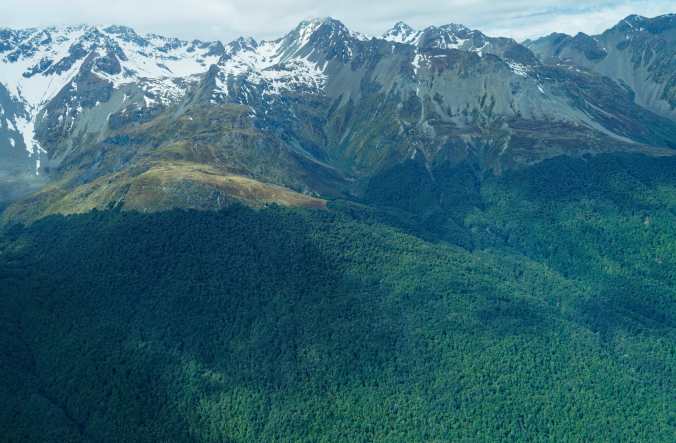 To give Queenstown its due, it is perhaps the most beautiful and monumental setting of any urban area (it’s a small one) we have seen.
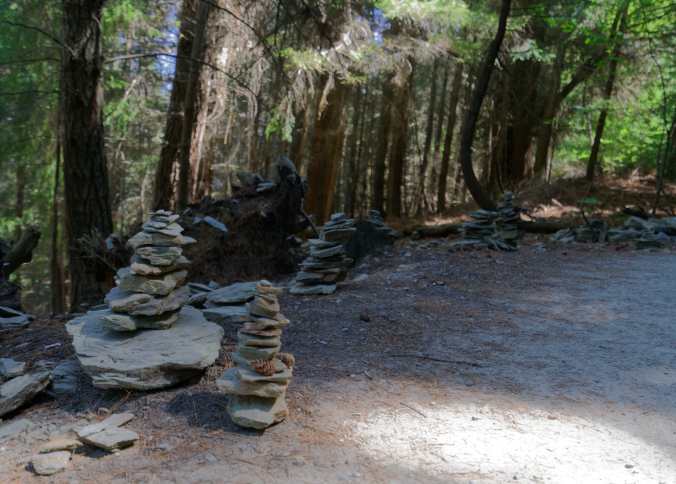
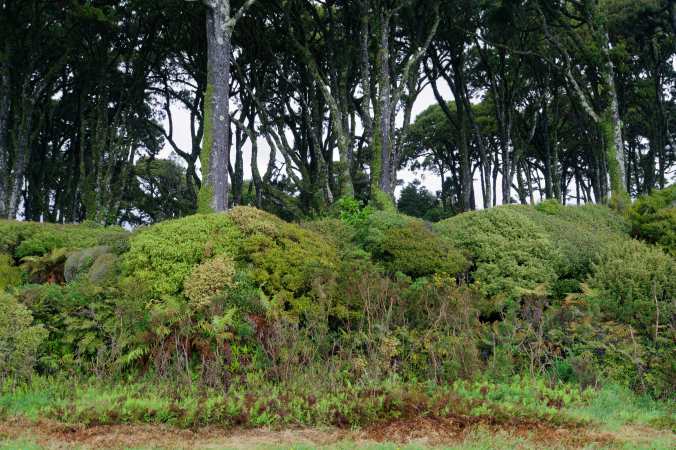
 The landscapes of the region we have justly gushed (never enough) about. Even the humdrum among them – the city park, and an elevation-static walk starting in Queenstown along the lake and then beyond – are memorable and prospectively never tiring. Our one disappointment, not being able to walk/hike the three-day Routeburn Track, reputably among the most exquisite in New Zealand, owing to a minor injury Gideon sustained, turned into a compensatory boon of us getting to explore by car and foot more of the Queenstown region. After leaving the urban and in its own way urbane area of Queenstown, we drove through the seductive temperate rainforest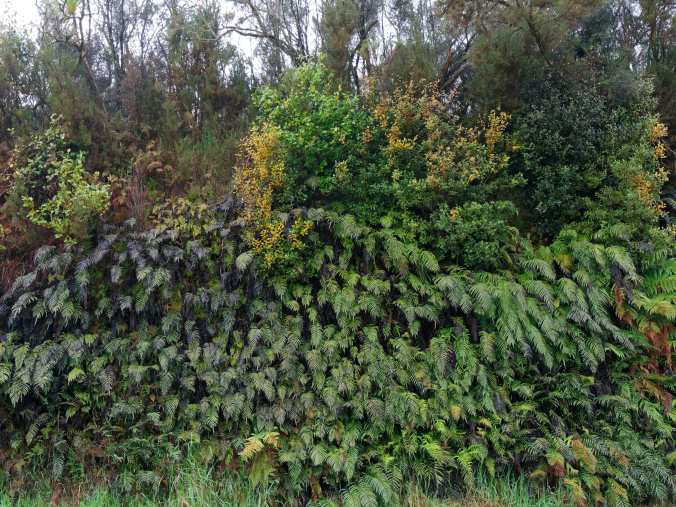
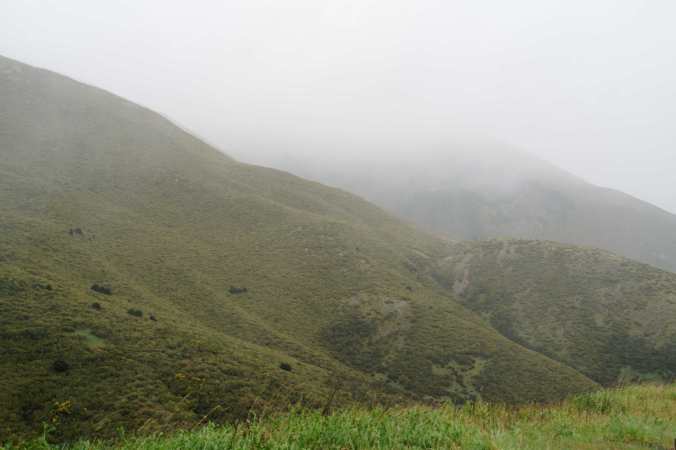 and mountainscapes of the west coast, fittingly named West Coast, and then across the mountain isthmus of Arthur’s Pass to a more conventional and more distinctive urban experience of Christchurch.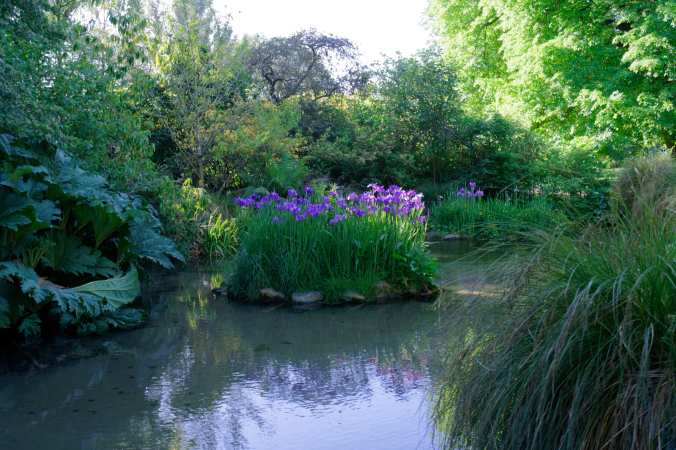
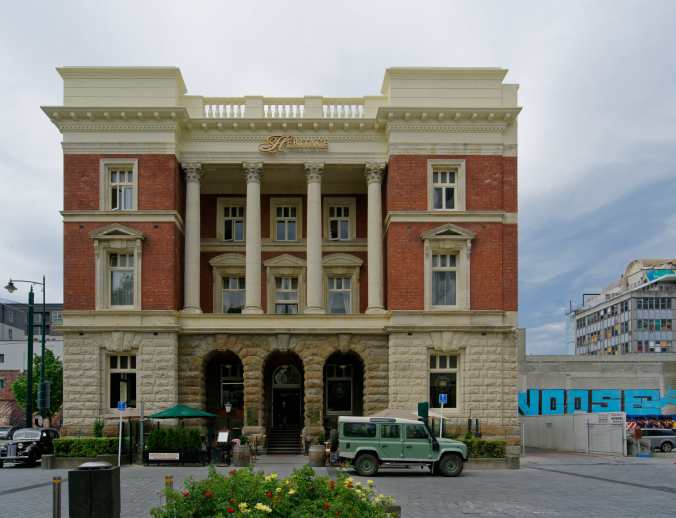


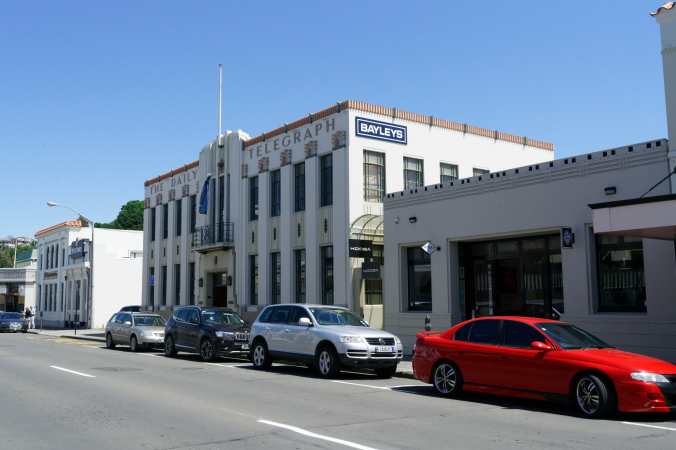
 where we strolled for a few hours thinking of an architecturally unsullied Miami Beach and disputating the desirability of returning to Napier someday for a longer stint, before heading off by car to Tongariro, and its justly famous transalpine tramp. After four days of our rural and hiking wonders of Tongariro
 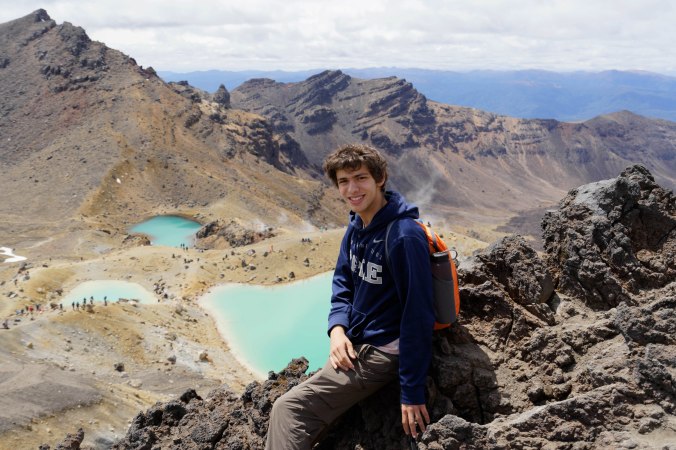 (Sarah: “I would do that hike every year”) and Rotorua – both of Hobbit/Lord of the Rings fame – we finished off our New Zealand romp with two solid days in Auckland’s Viaduct area, with a splendid view of the harbor, urbanity, and enough worthy activities to keep us happy.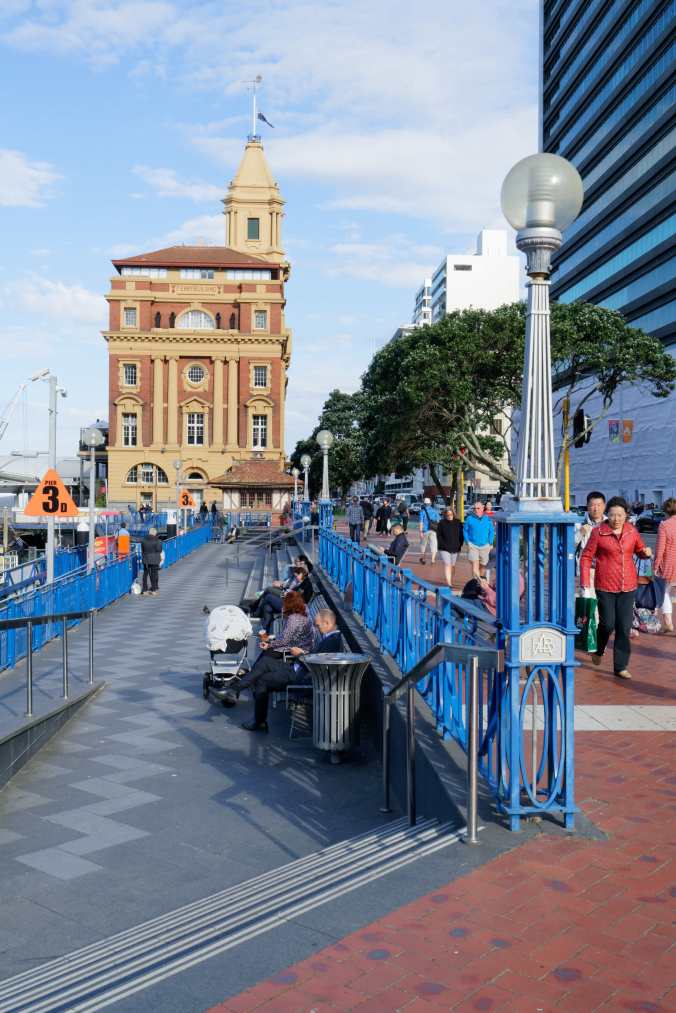
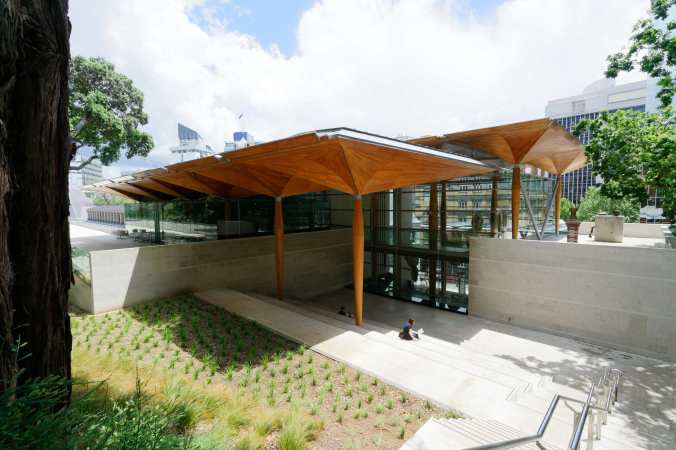

 and in the a Napier museum, receiving the unexpected pleasure of being introduced to a merging of arts we had not imagined in the body (really body-covers) of historic Art Deco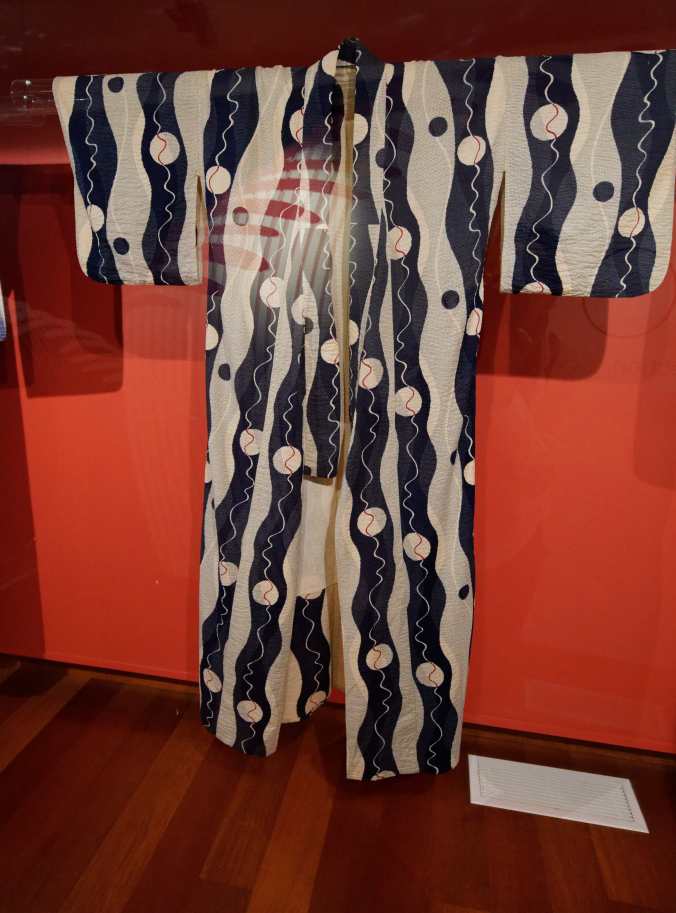
 immersing ourselves in the experience of the most magnificent landscapes of nature’s pacific and tumultuous offerings, getting a taste or more of the largest (Auckland, 1.5M), third largest (Christchurch, 400K), sixth largest (Napier, 130K), tenth largest (Rotorua, 60K), and barely-large-enough-to-be-one, placing 27th (Queenstown, 15K) city, and many larger and smaller towns in-between, and taking pleasure in some of the finer products of human creativity. Everywhere and without exception, the New Zealanders were friendly, helpful, informed, and well-spoken in, at least to me, their charmingly accented English. They appear to know that they have something extraordinary going for them,
  and, generous lot that they are — here’s a woman who runs a weekly open-air soup kitchen in Auckland, offering us a meal —
  they don’t mind sharing the natural and urbanistic wealth.
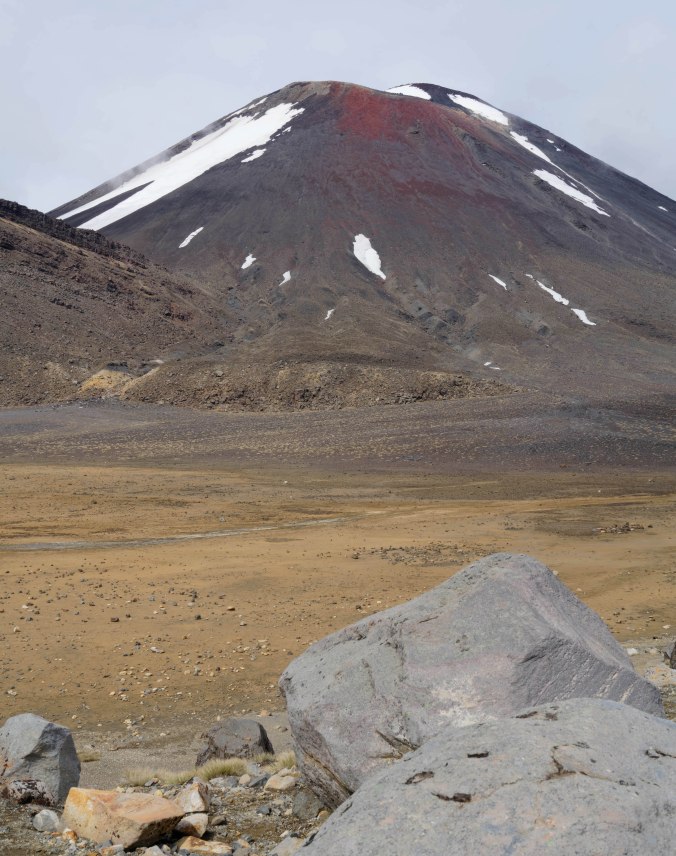
 New Zealanders, with their seemingly infinite capacity to charm, charmingly call trekking or hiking “tramping”, which constitutes something of a national pastime. Tourist brochures and government-sponsored websites alike advertise the Tongariro Alpine Crossing as the best one-day tramp in the country. Not for the faint of heart, though. It’s 19.4 kilometers (nary a water source along the way), with official estimates advising that hikers to plan on between six and eight hours, with the ominous addendum, “depending upon your condition”. You are also repeatedly reminded to pack for different kinds of weather events: you can shiver in pelting sleet and sweat in blazing rays of sun in a single day. Or you can find yourself at the peak of a dry, sandy, 10-foot-wide ridge huddling against 65 mile-per-hour winds, as happened the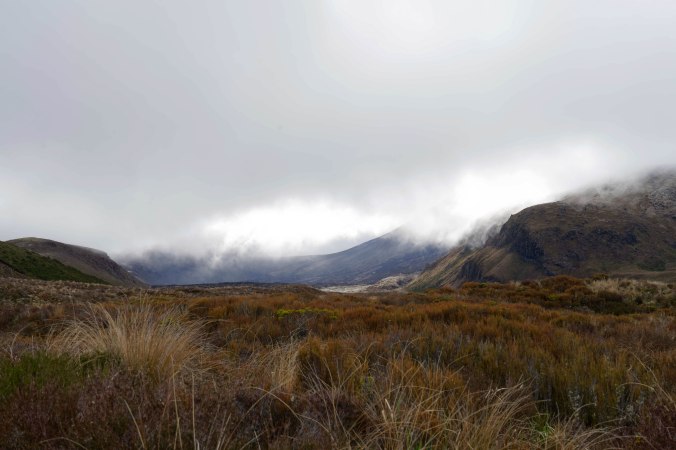

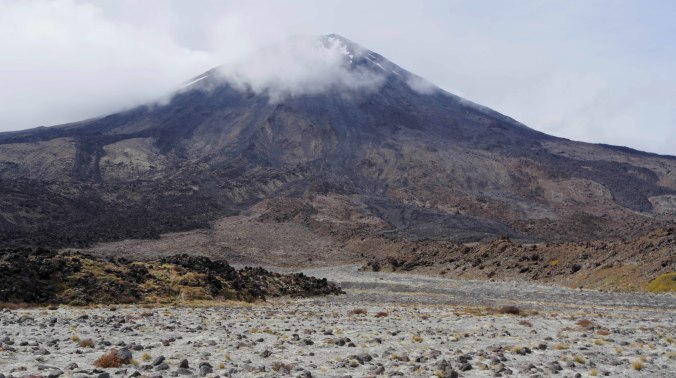
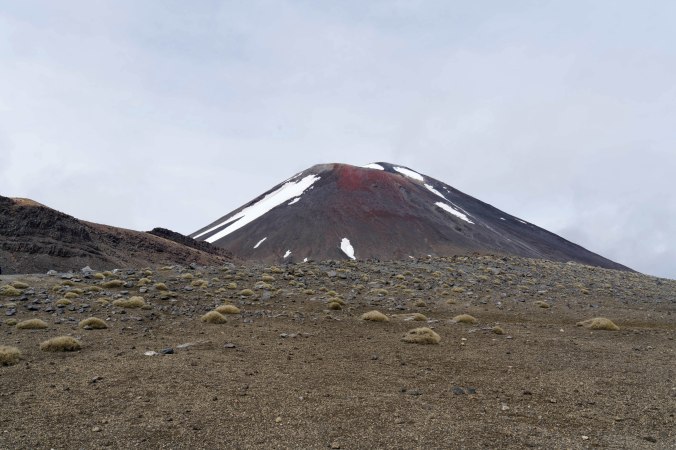

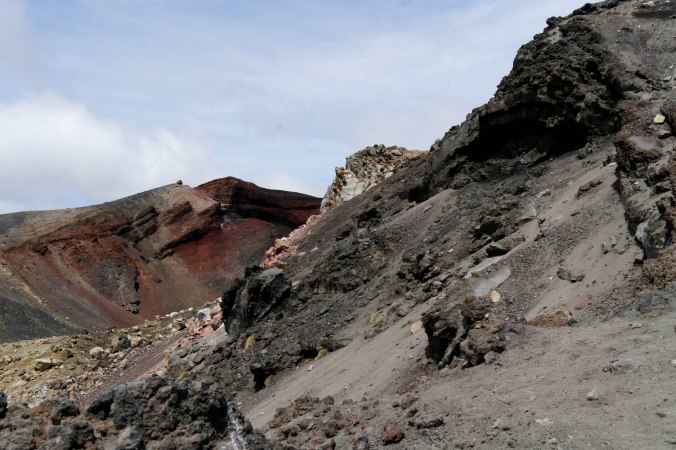
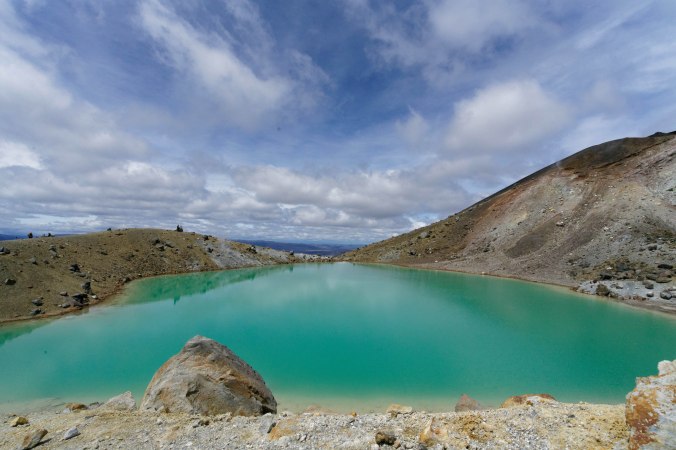
 Circumventing the Red Crater (you couldn’t actually ascend it) brought you into view of the vaginal-looking orifice from which all that lava spewed during its last eruption. From there, you began your multi-houred descent. Around one bend, you see this: the Emerald Lakes (at right). At left-center, in middle distance, you can just glimpse the Blue Lake, and behind it in the horizon, Lake Tapuo, which is a caldera of a different volcano, about 90 miles away.




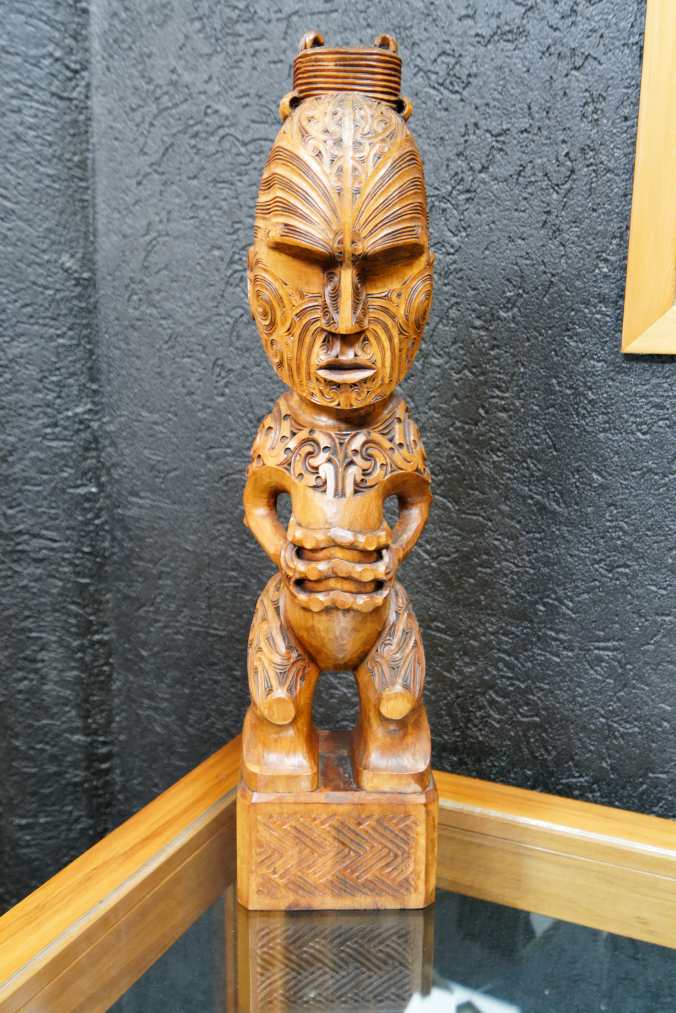 The Maori people were never very numerous on these islands; currently, they account for three per cent of the country’s population. Such gestures go part way to redress past wrongs to these indigenous people, to be sure, but I suspect it and all these other historical markers serve a larger function: that of constructing a robust narrative of NZ nationhood and identity.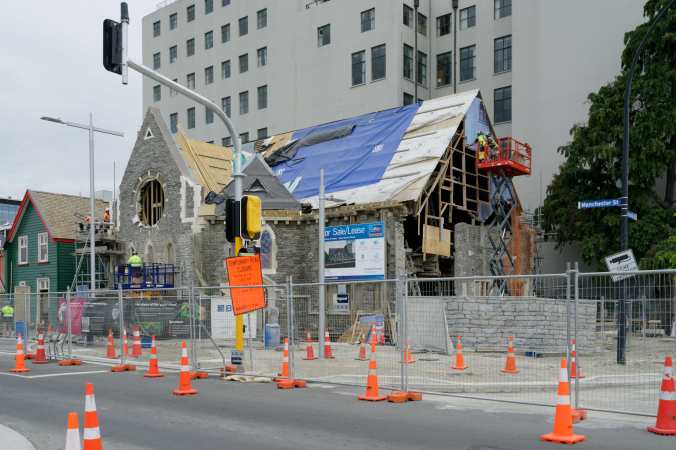
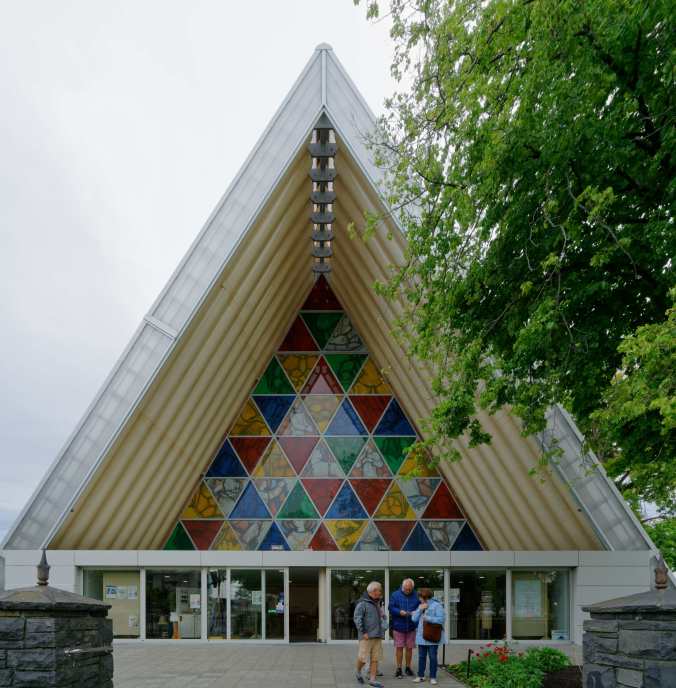


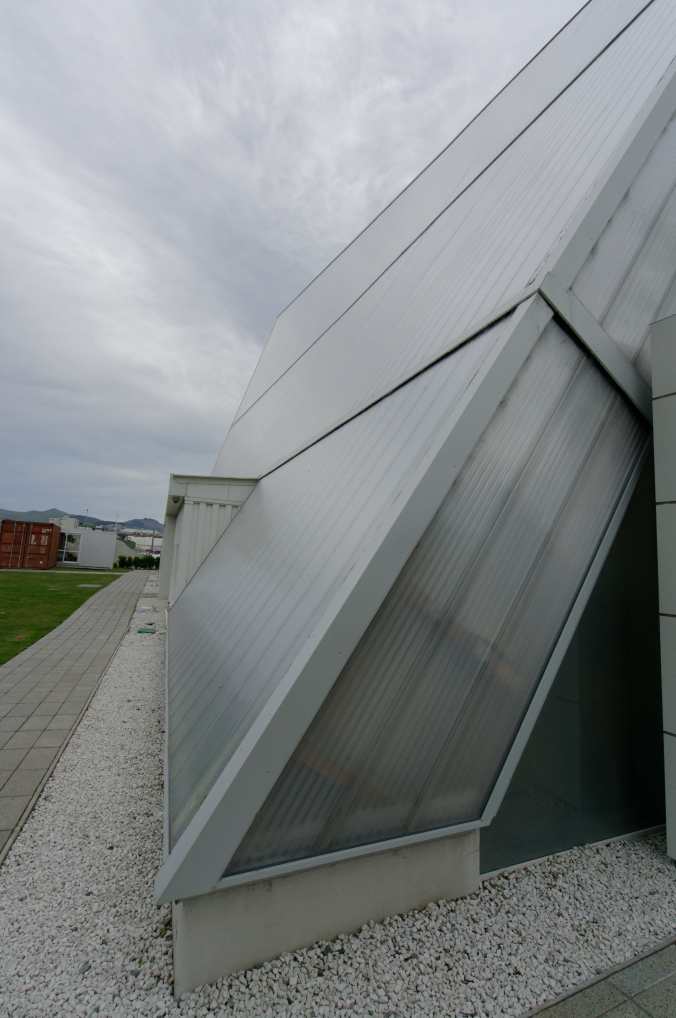 which creates a subtle, compelling dynamism in the nave,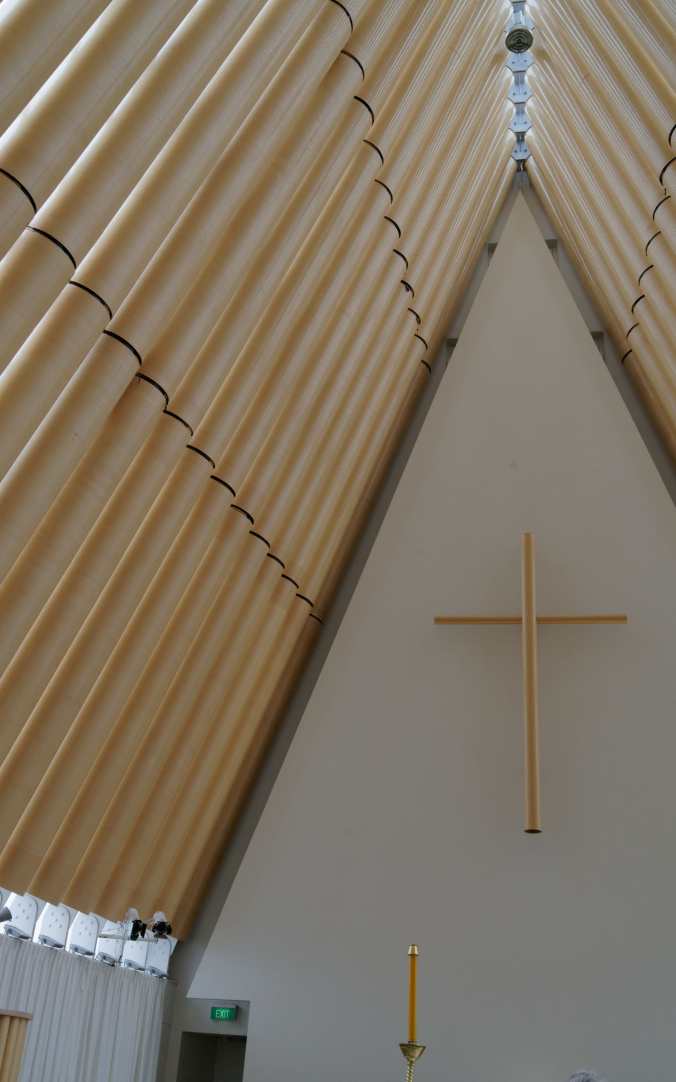
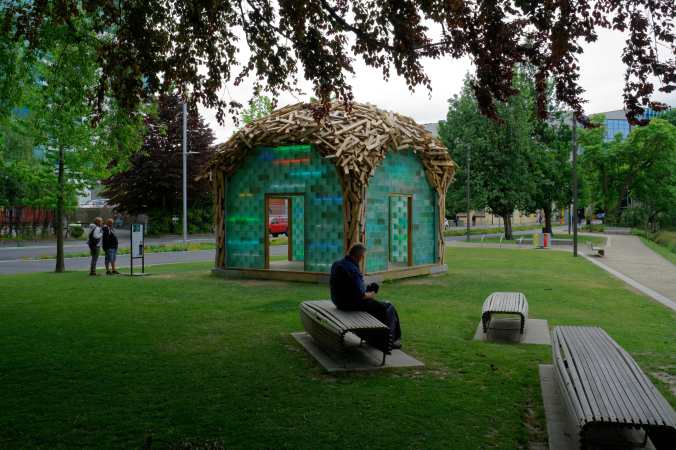

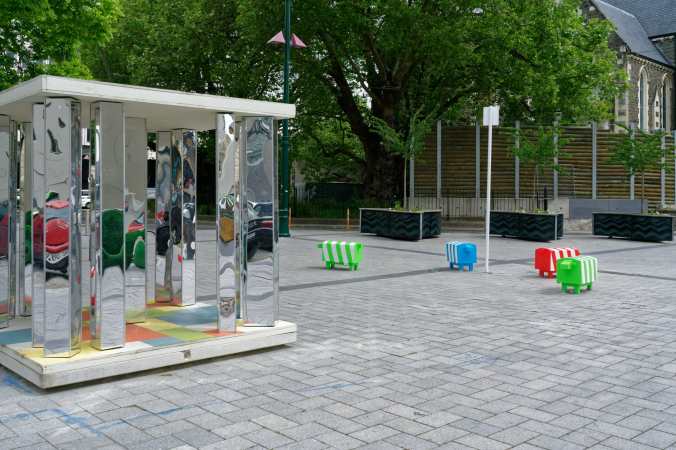

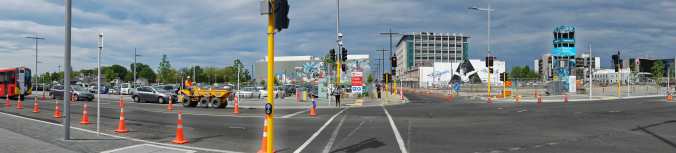
 Building has proceeded slowly in the Central Business District — Christchurchians grumble about it, then shrug, adding, it’s a great city. The CBD has been divided into precincts for retail, “innovation” (which I gather means hi-tech), health, performing and visual arts, and “justice and emergency services”. Dozens of large new buildings are under construction: a new metro sports facility, a new central library, a new convention center. A new transit and bus station opened recently.

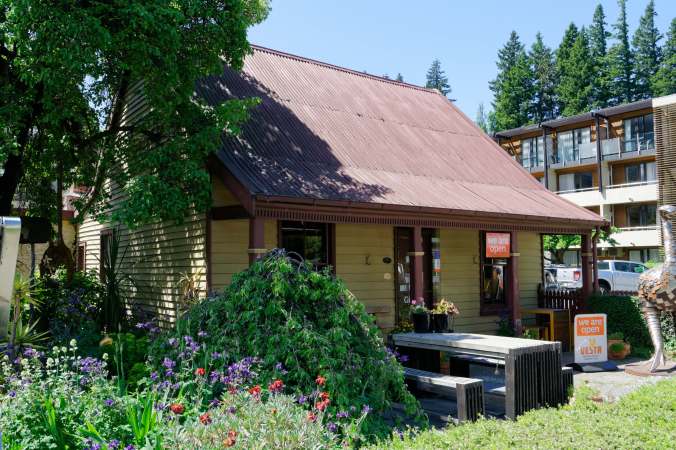
 A couple of days of walking around the city suggested that the Little Black Hut’s design finesse was not unusual: most homes are small, but the detailing and compositional sensibility even in little cinder block, wood, or corrugated-metal-sided homes looks pretty well done.

 How little we missed the “sense of history” so prized amongst Americans! Running into the few remaining Victorian houses, grand and modest, provided enjoyment but not the sense of relief one finds when stumbling upon even modest historic structures in the United States. What we found in Christchurch substantiates the argument I advanced in WtYW that the problem in the US built environment is less old (better)-versus-new (clueless), but the poor design quality and craftsmanship of new construction. In Christchurch, high quality new homes, commercial, and retail buildings could be found everywhere. Even the mediocre buildings are good.
  Stay tuned, then, for the new iteration of New Zealand’s garden city — and dream.
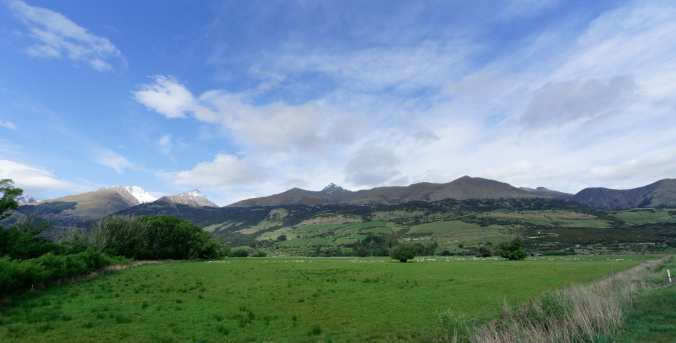


 and here’s the sunrise that greeted us in the morning.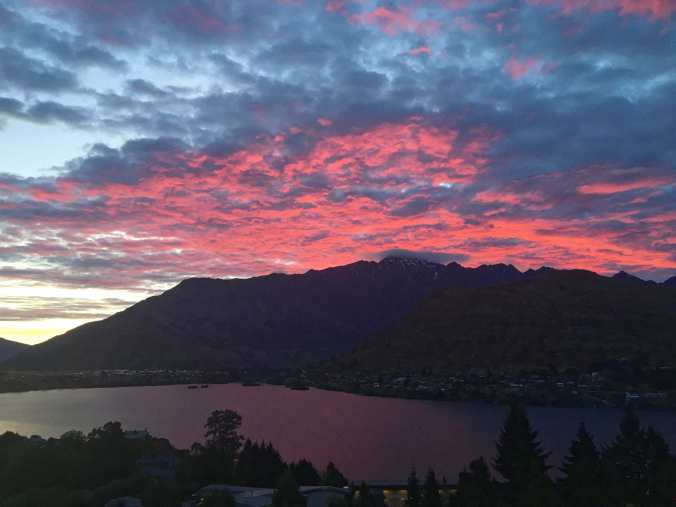


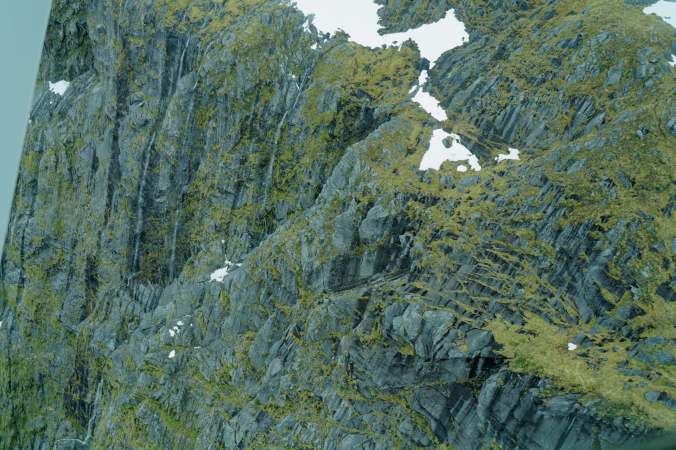
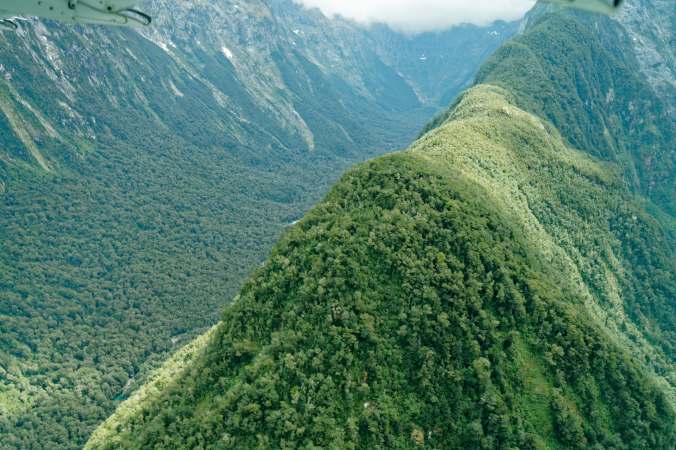
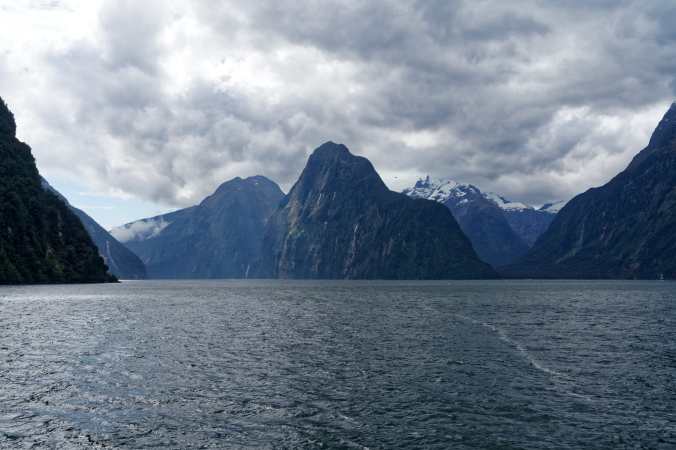 seeing those mountains shooting straight out of its deep, black waters is unforgettable.
 The exception was Casablanca, but Fez, people tell me, confers this impression with even greater intensity. In its sense of arrested time, Morocco felt very different from other developing societies I’ve encountered. Take India. In India, people’s lives are saturated with tradition, but they do not, or at least did not appear to me to reject modernity. In some of Morocco’s most distant reaches, people seem only dimly aware that modern societies even exist. What are they watching on satellite TV?
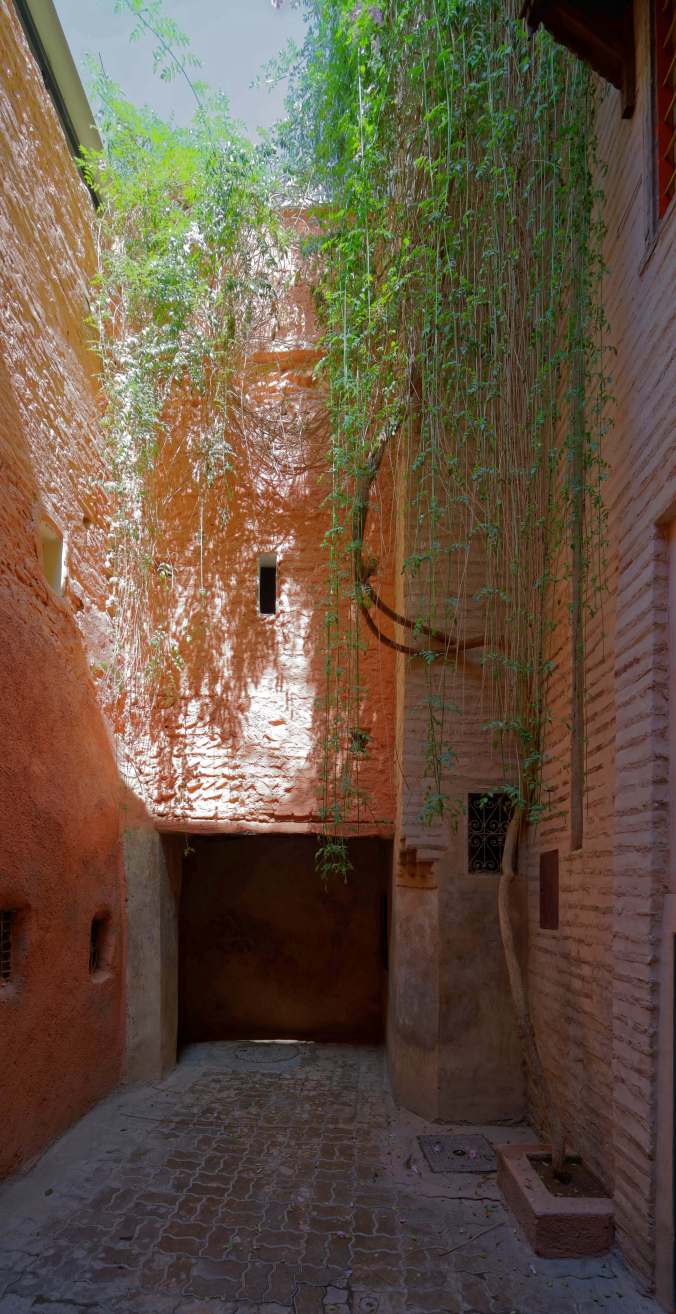
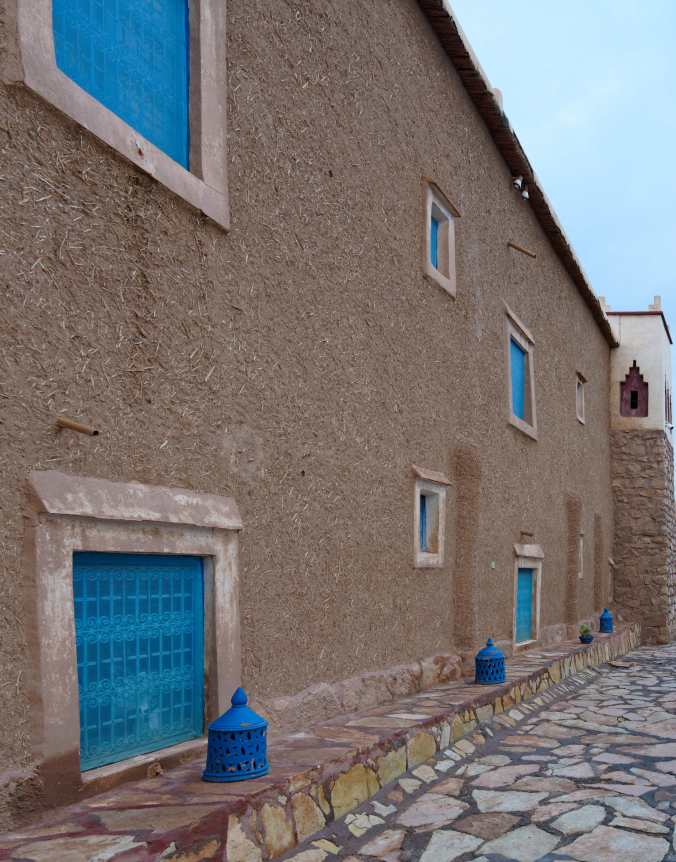


 Sometimes, in larger buildings, internal rooms with tiny windows butt up onto rooms opening onto subcourtyards with skylit roofs.
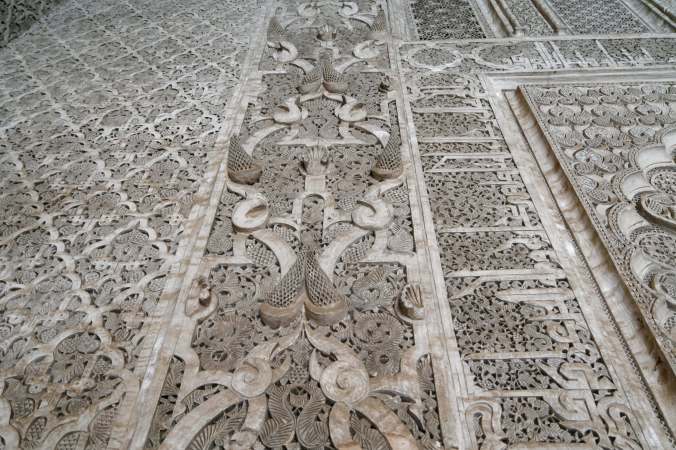
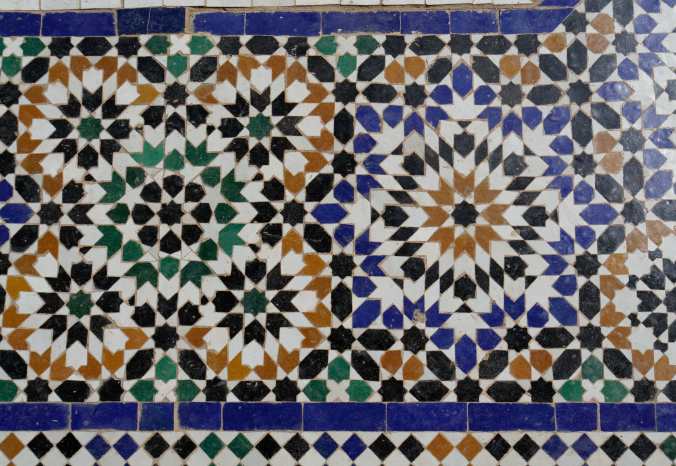
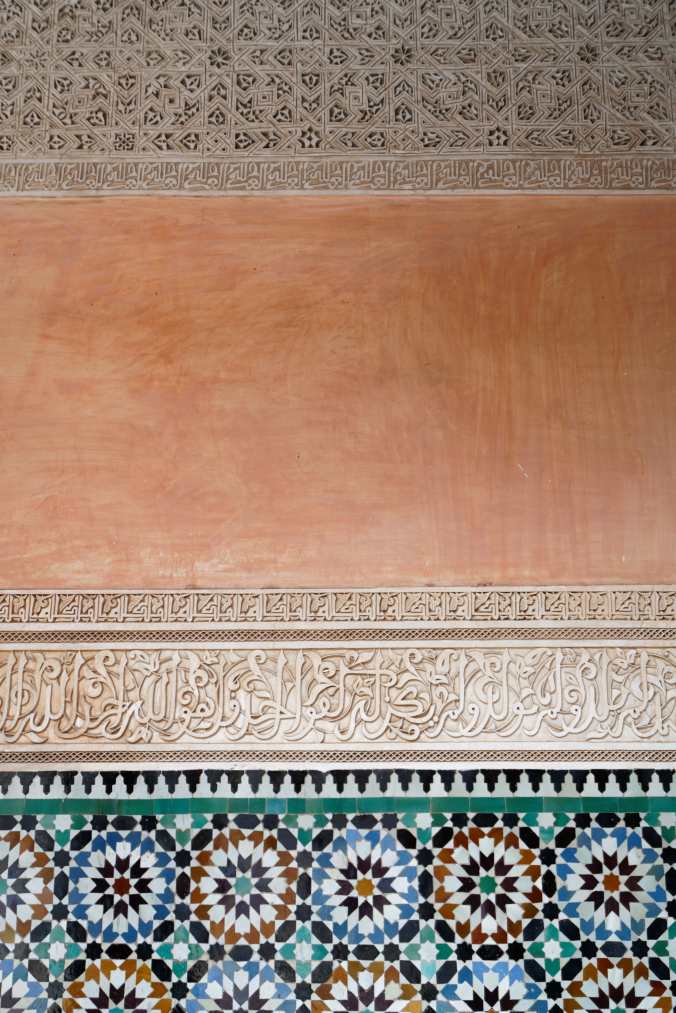
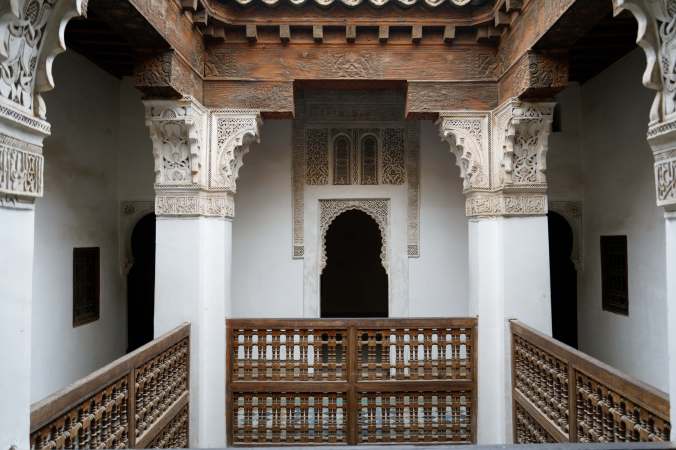 Spatial organization, spatial sequences – all are straightforward, even banal. (If the site varies topographically, sometimes there’s a little more action, as in the palace at Telouet.) So the colorful, intricate patterns constitute the only means of arresting our visual interest — or, to invert the formulation, to compensate for the lack of design complexity.
 In no place we visited did that differ.
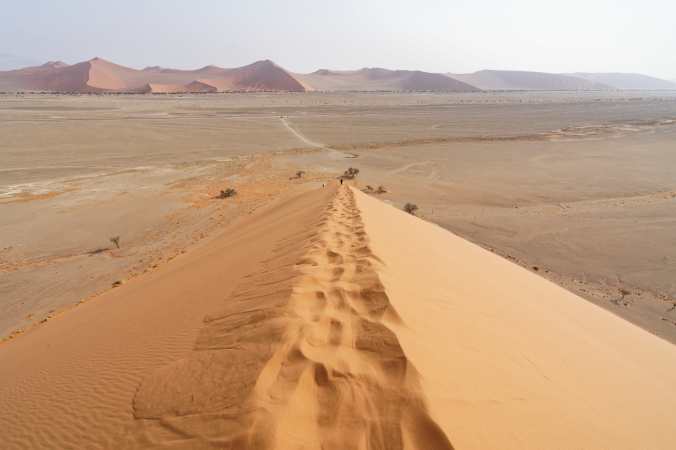
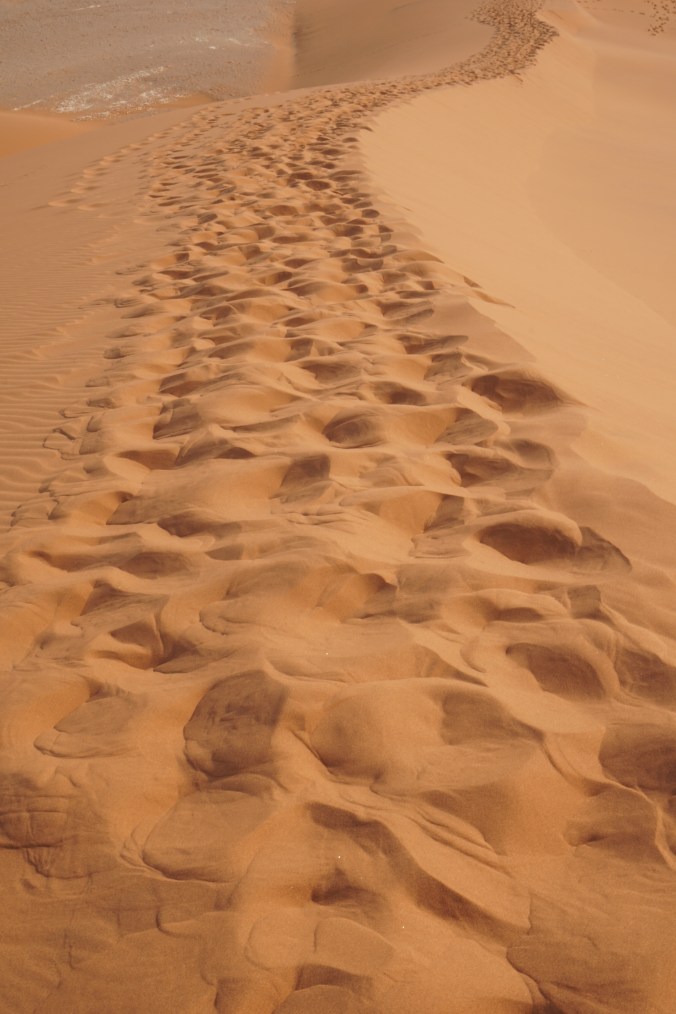
 We gazed upon them. We walked past and around them. We climbed them. We (Gideon and Sarah) stood astride them and surveyed the dominion. Gideon lay on them. He even, unsuccessfully, tried to roll down them, only to discover that they enveloped and captured his body as they had his imagination and soul.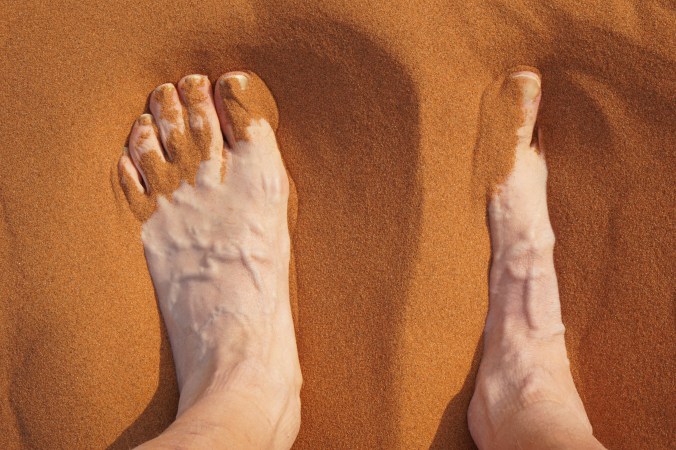

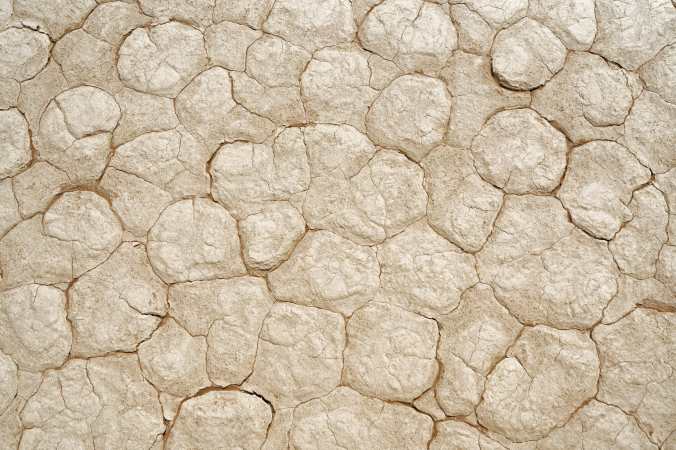
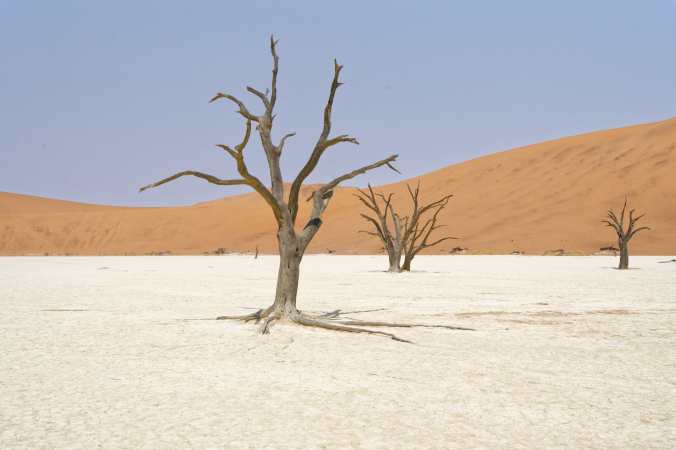
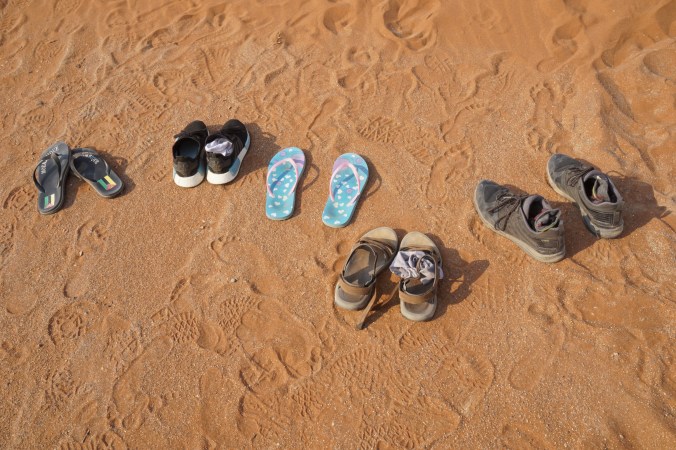 reassembling at our SUV, driving further into the dunescape, taking a four-wheel drive sand-ferry for four kilometers, and trekking afoot twenty minutes deeper up into the dunes, we came upon the nearly sacralized desert landscape, foremost among desert moments in the world, of Deadvlei — to wander among, behold, and contemplate, and, in Sarah’s and my case, talk about the dune-flanked and framed magnificent salt pan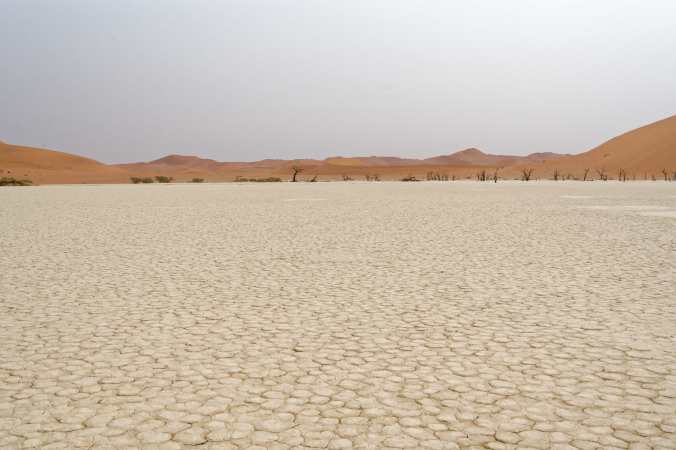
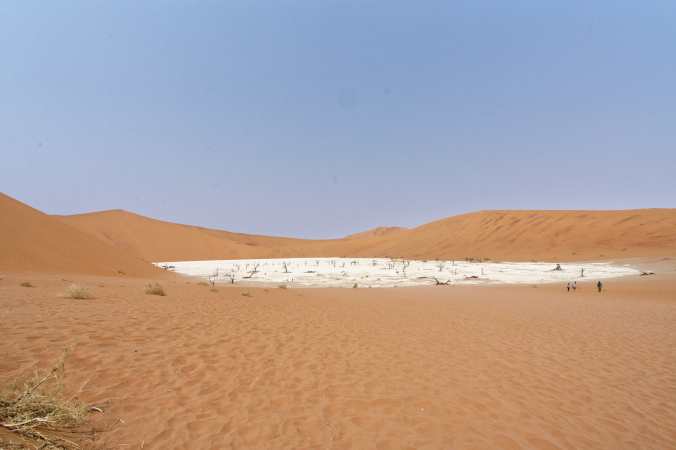 and anything, which was plenty, that the embodied mind of being there conjured up for the hour or so that we basked in this and our singularity, and in our commonality of sharing this place and our lives.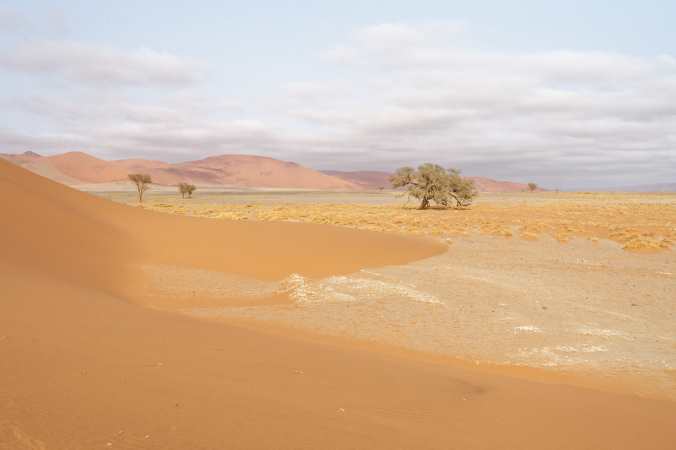







 We had a fine day and previous evening in Oslo, mostly walking and taking in its distinctive urbanity and its fabric, mainly known as buildings.
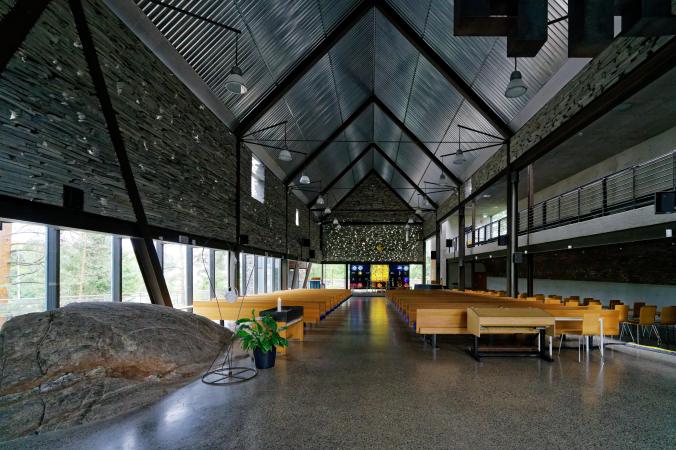 In the early afternoon, just as it was beginning to rain, we visited and marveled at Snohetta’s renowned Opera House.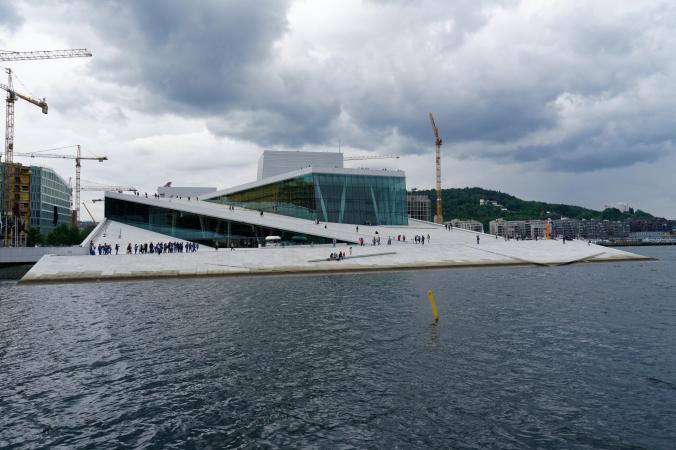
 Coordinating Goldhagens