The other day, Gideon went off to meet up with an old friend who is from Santiago, Chile. Sarah and I, having been eating rather monotonously a home, went to lunch at a vegetarian restaurant. After a fifteen-minute walk through attractively bustling streets (we very much like the parts of Santiago we have seen), in the pleasantly dry heat, 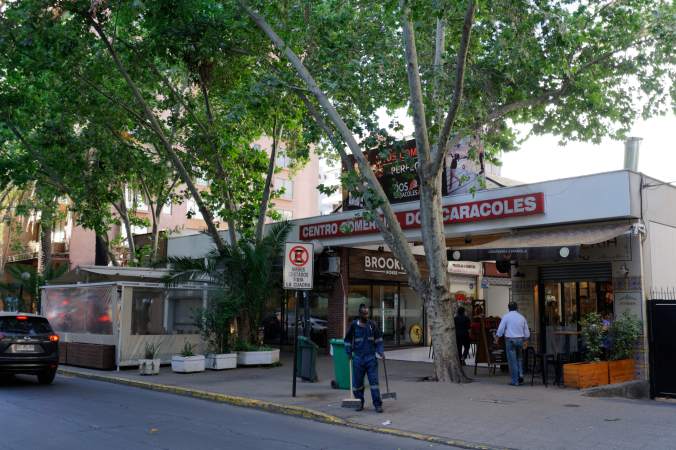
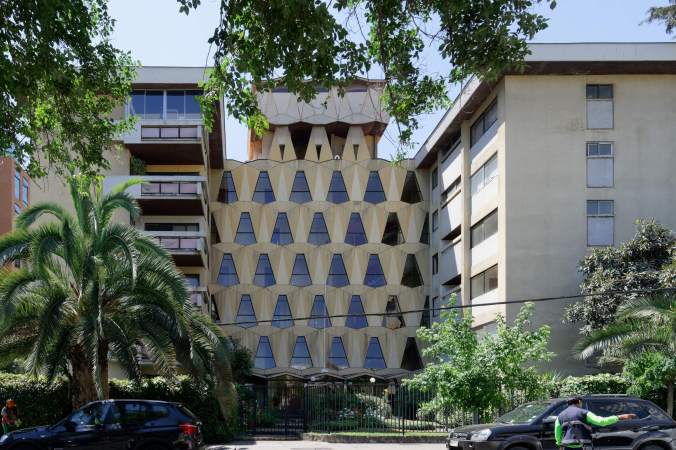 we nabbed the restaurant’s one free sidewalk table. It was a two person, small, square, wood-topped pedestal, separated from its neighbor to the side by just enough inches for us to feel we were at a private table, but not too many inches as not to afford natural-feeling, inter-table conversation.
 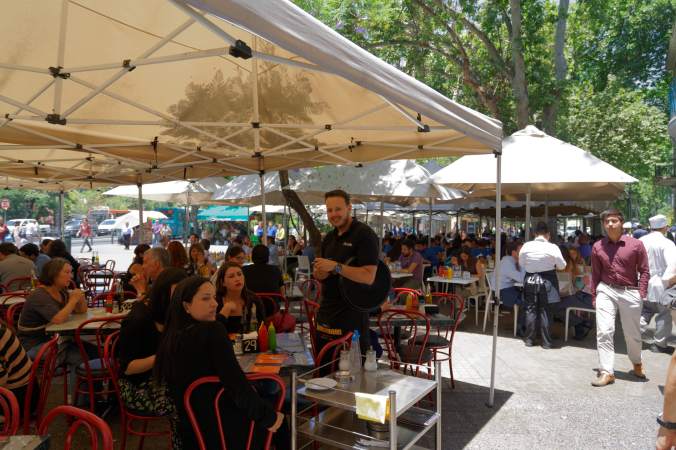 A kind of perfect placement, if conversational options are your eating-taste. Friendly, as we are, we struck up a conversation with our neighbor, which he actually initiated more than we did, which lasted an hour-and-a-half or more of our leisurely lunch of one-course plus coffee. Travelers, it should be a truism, are more likely to converse with strangers than non-travelers are. After all, travelers are underway for adventure and newness and discovery, and their world of available family and friends and colleagues and acquaintances has radically shrunk, so what better way to seek out the new and to fill in the social void than by talking with people seated nearby in cafes, particularly when they turn out also to be travelers and therefore of a similar conversational positioning?
Our neighbor Ash is an aerospace engineer from the UK, working to design the interiors of the sky-high airplane cabins of which we have caught only walk-through-glimpses during our current travels. 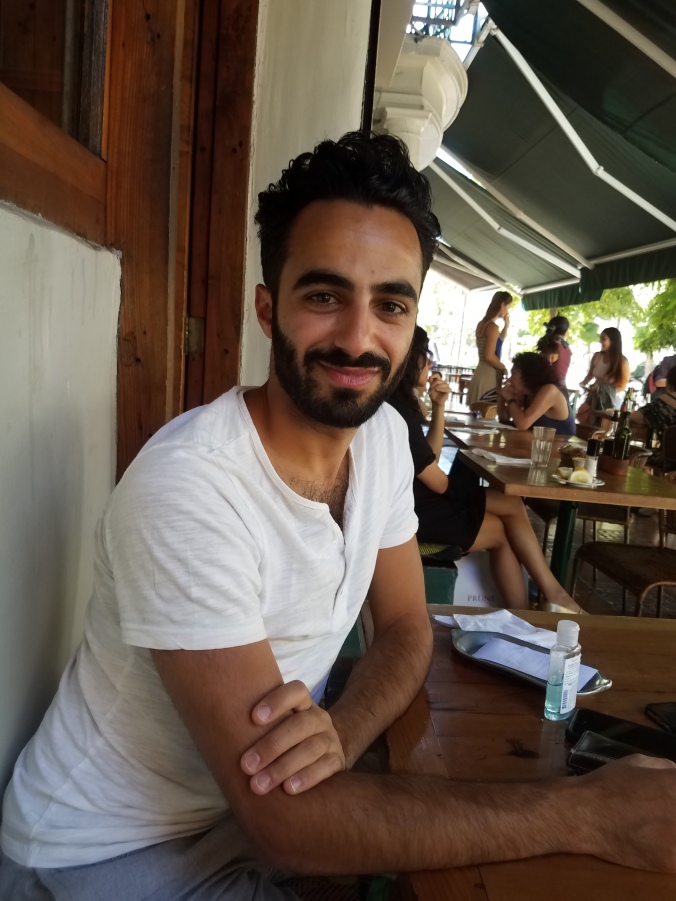 We learned a bunch about his business and saw cell phone photos of the recently unveiled super-first-class 70th anniversary cabins on Singapore Airlines, the production of which (if I understood correctly) he oversaw. We told him that the Boeing 787, called Dreamliner, has, with its better air, quieter interior, expanded overhead clearance, and improved lighting, made our travels notably more pleasant. Beyond the what-do-you-do conversations, which were more extensive and substantive than is usual in such casual encounters, our good-natured exchanges included Iran, as Ash is of Iranian descent, the UK, Brexit, world order, high-tech education, Israel, Jerusalem, and, all but unavoidably, Trump. He told us that he can’t go to the US as he’s subject to the US travel ban. This is so even though he’s a UK citizen and even though he’s through-and-through British, as he was born there. Because he holds dual nationality with Iran, he’s Verboten-fruit.
The conversation, which was fully two ways (us<->him) was lively and respectful throughout. Ash is intelligent, open, and curious. We parted with good cheer and an exchange of contact information (and he received this blog’s address).
I recount this not because the episode was remarkable (such as coursing the Serengeti or visiting a township in South Africa) or because we developed with him a dense and potentially ongoing relationship (as we did with Zadock and with Kevin) but because it wasn’t. Much of traveling consists of non-remarkable moments, events, encounters, which may be thoroughly enjoyable (this was) but which doesn’t rise to guide-book worthiness.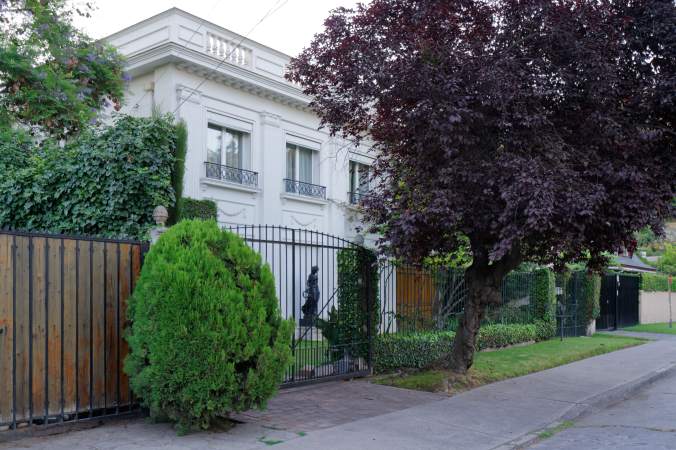 I could have just as easily written about the woman whose Airbnb we were renting, as she, a Chilean architect, spent considerable time speaking with Sarah about Sarah’s recent book (which she had begun to read, loved, and said it has finally given her a way to conceptualize and articulate what she does in her work), and about her own architecture, showing Sarah images. She exuded warmth and passion while we sat speaking at the dining table of her Airbnb which — true to her architectural ethos of creating what Sarah champions, “enriching environments” — she had renovated.
Ash came off as an entirely likeable, indeed a lovely, person. Our time with him and so many other incidental people help structure, populate, and enliven our travels and our memories of specific places and moments, as we spend all this time away from our family and friends.
— Danny
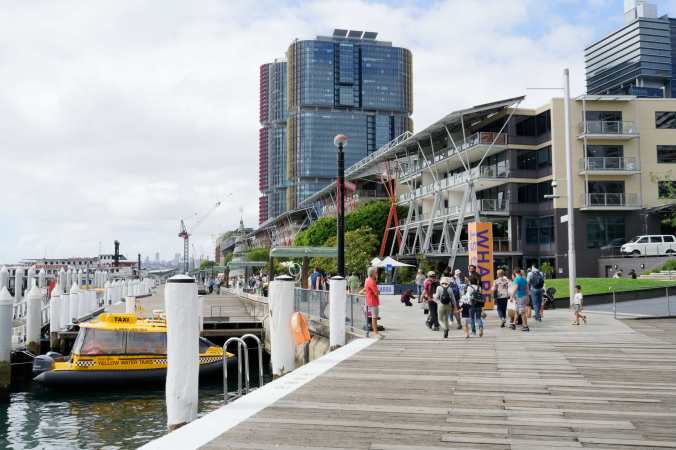 We departed Sydney ahead of schedule, after but a few days, to a recuperative place, Palm Beach, an hour north, where the din (noise bothered him) and bustle of the city were replaced by the quietude and seaside rhythms of nature.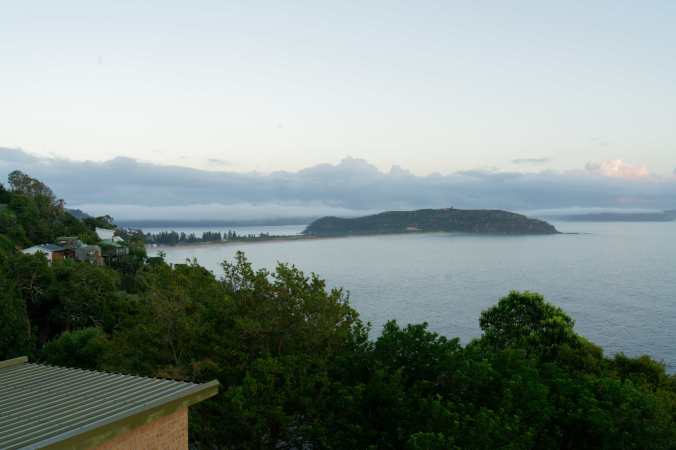
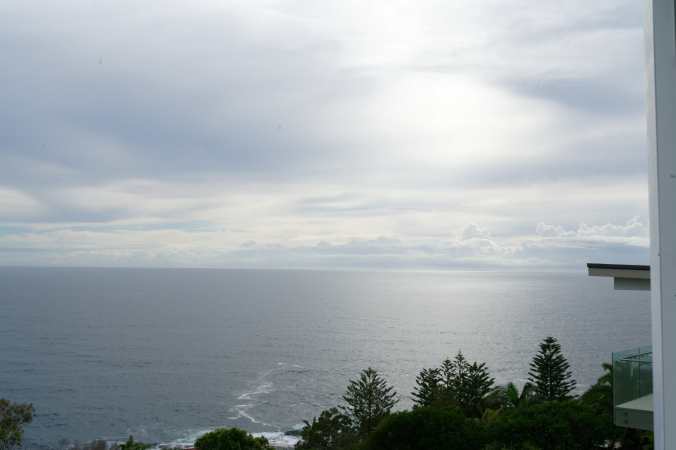 The most obtrusive sounds came from the many birds flying around, especially in the early morning, with some (most notably, a faithful white cockatoo with a yellow crest), to our thrill, visiting our veranda. Gideon loved our place there and what constituted the thereness of there.
 explored the magnificent Royal Botanic Gardens,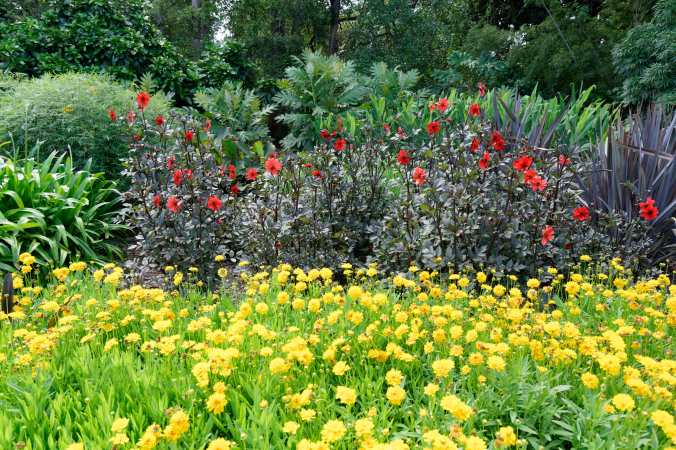
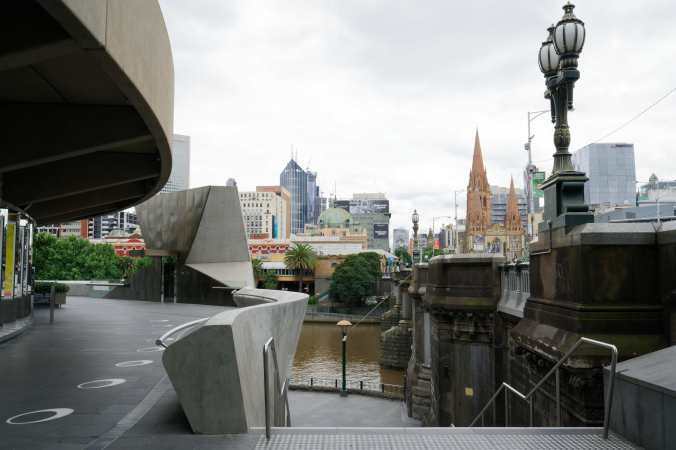 and walked and looked, which, after all, is just about our favorite urban activity – especially when the walking and looking amply reward.

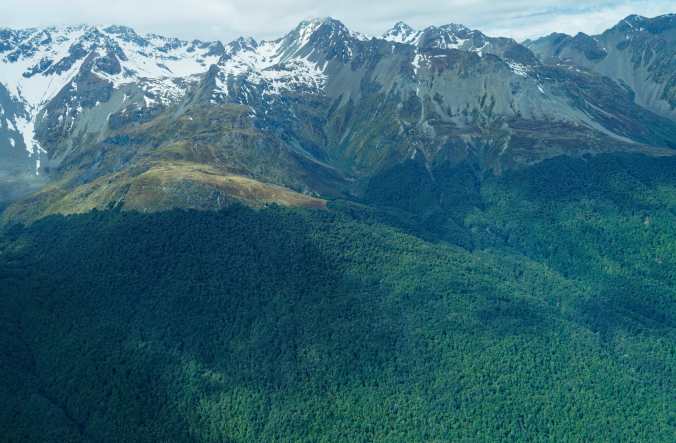 To give Queenstown its due, it is perhaps the most beautiful and monumental setting of any urban area (it’s a small one) we have seen.
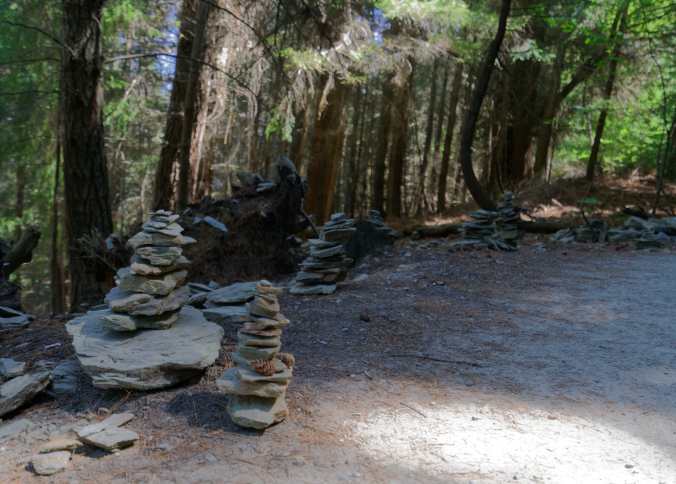
 The landscapes of the region we have justly gushed (never enough) about. Even the humdrum among them – the city park, and an elevation-static walk starting in Queenstown along the lake and then beyond – are memorable and prospectively never tiring. Our one disappointment, not being able to walk/hike the three-day Routeburn Track, reputably among the most exquisite in New Zealand, owing to a minor injury Gideon sustained, turned into a compensatory boon of us getting to explore by car and foot more of the Queenstown region. After leaving the urban and in its own way urbane area of Queenstown, we drove through the seductive temperate rainforest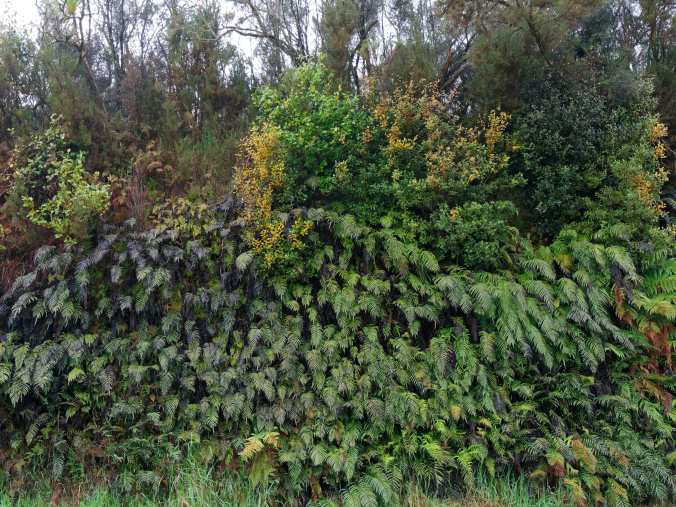
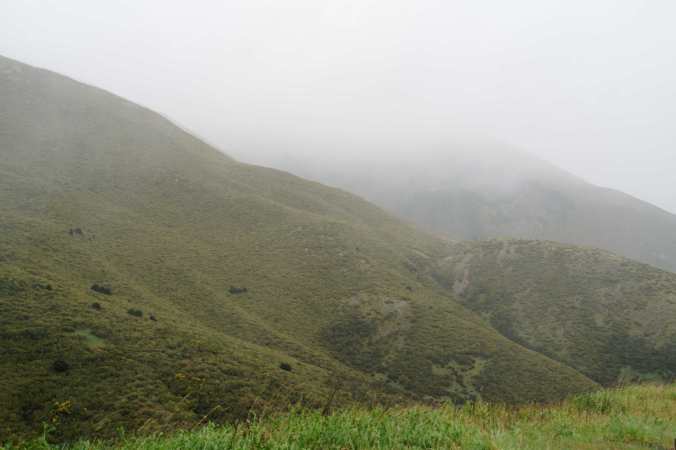 and mountainscapes of the west coast, fittingly named West Coast, and then across the mountain isthmus of Arthur’s Pass to a more conventional and more distinctive urban experience of Christchurch.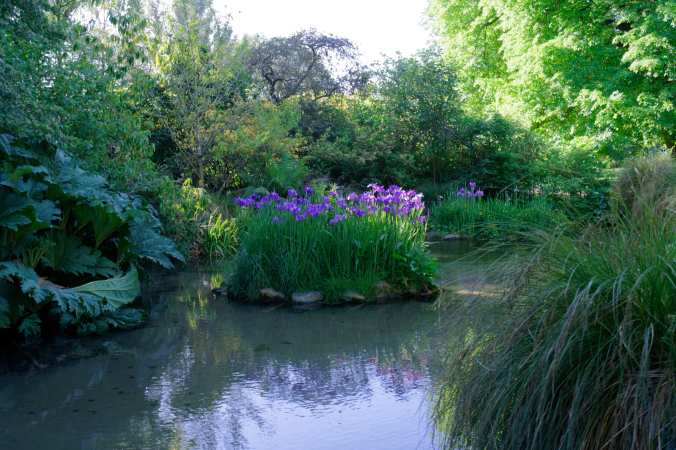
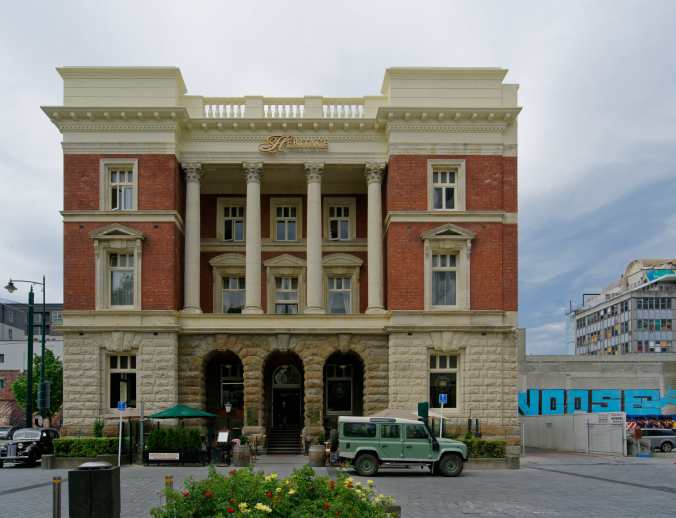


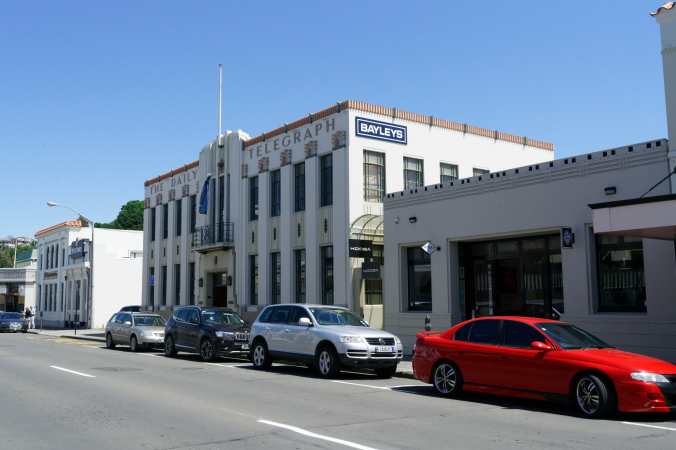
 where we strolled for a few hours thinking of an architecturally unsullied Miami Beach and disputating the desirability of returning to Napier someday for a longer stint, before heading off by car to Tongariro, and its justly famous transalpine tramp. After four days of our rural and hiking wonders of Tongariro
 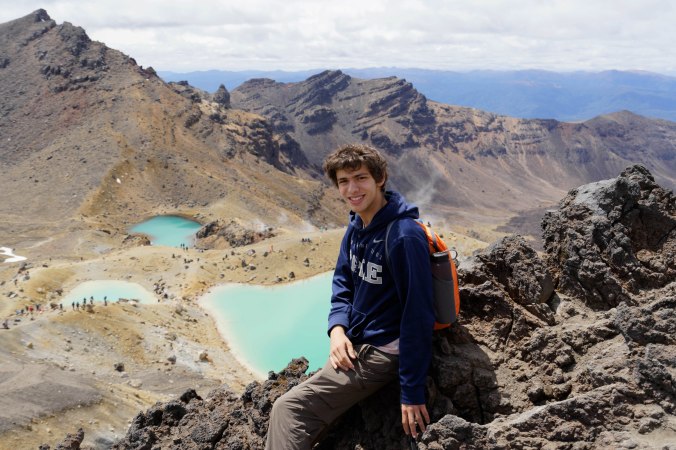 (Sarah: “I would do that hike every year”) and Rotorua – both of Hobbit/Lord of the Rings fame – we finished off our New Zealand romp with two solid days in Auckland’s Viaduct area, with a splendid view of the harbor, urbanity, and enough worthy activities to keep us happy.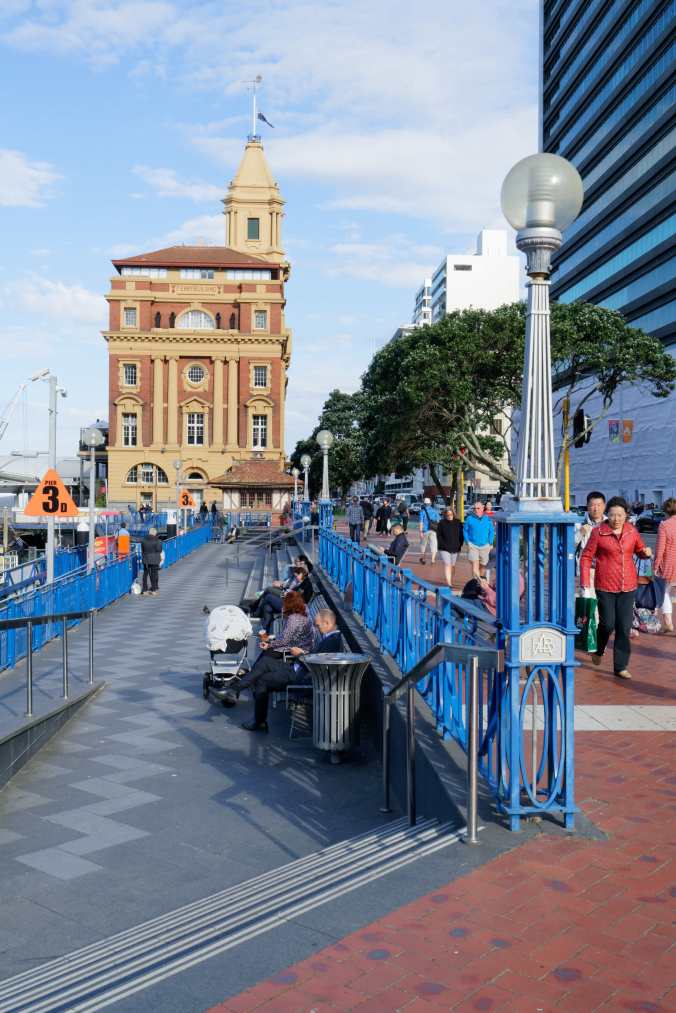
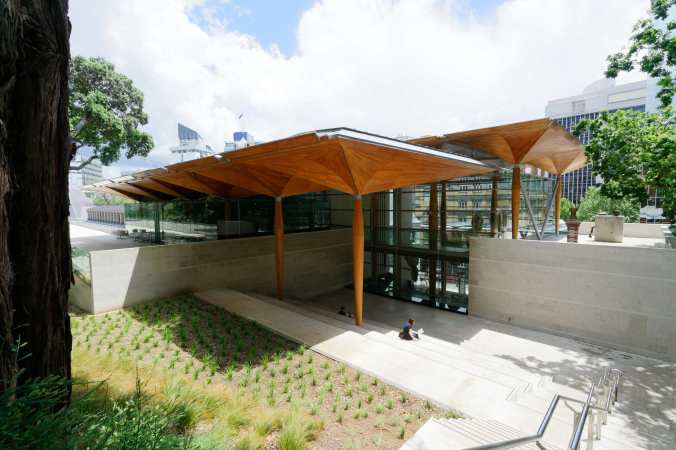

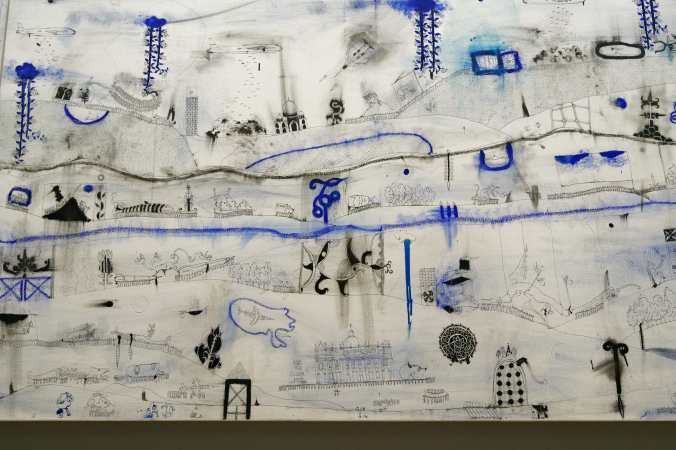
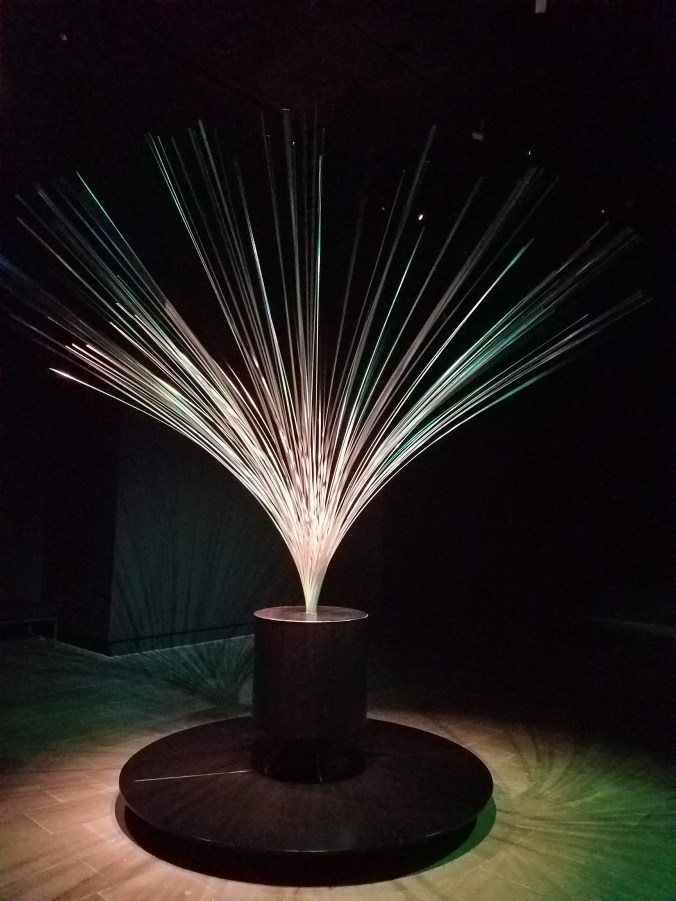
 and in the a Napier museum, receiving the unexpected pleasure of being introduced to a merging of arts we had not imagined in the body (really body-covers) of historic Art Deco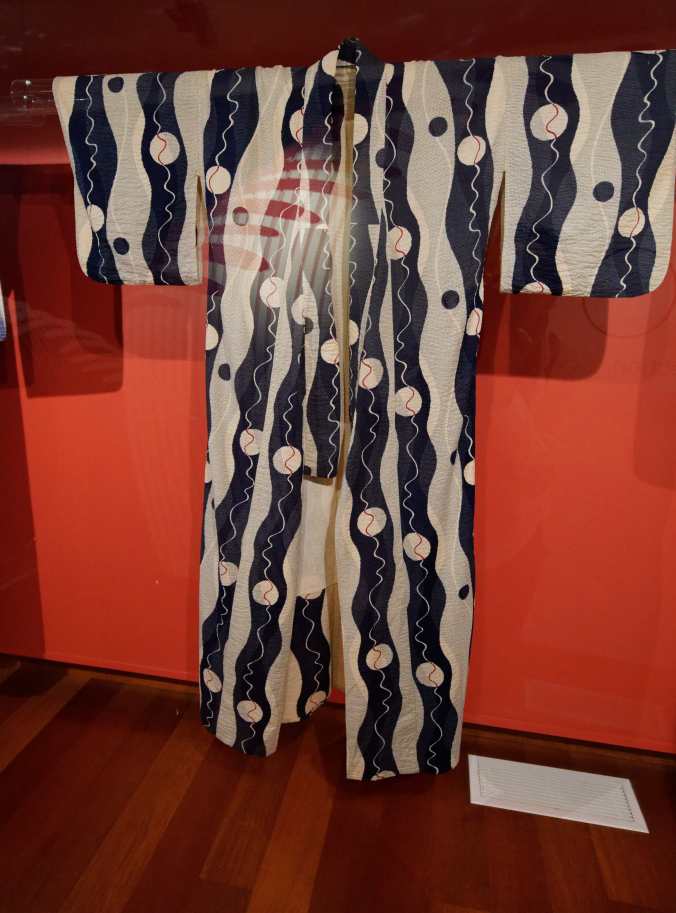
 immersing ourselves in the experience of the most magnificent landscapes of nature’s pacific and tumultuous offerings, getting a taste or more of the largest (Auckland, 1.5M), third largest (Christchurch, 400K), sixth largest (Napier, 130K), tenth largest (Rotorua, 60K), and barely-large-enough-to-be-one, placing 27th (Queenstown, 15K) city, and many larger and smaller towns in-between, and taking pleasure in some of the finer products of human creativity. Everywhere and without exception, the New Zealanders were friendly, helpful, informed, and well-spoken in, at least to me, their charmingly accented English. They appear to know that they have something extraordinary going for them,
 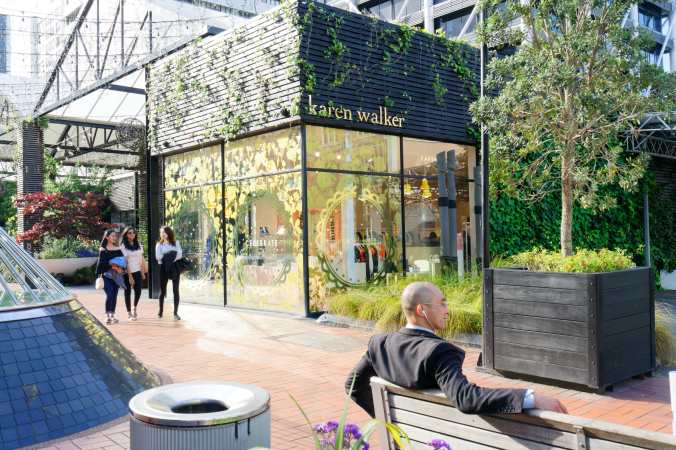 and, generous lot that they are — here’s a woman who runs a weekly open-air soup kitchen in Auckland, offering us a meal —
  they don’t mind sharing the natural and urbanistic wealth.
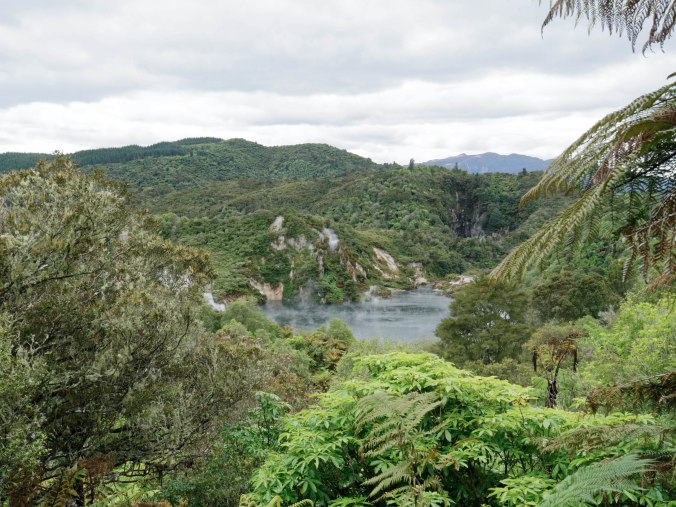 One place that succeeded in earning a top spot in our greatest hits album (maybe that’s this blog) was in the volcanic Rotorua region, which includes the Tarewera, a volcano that has erupted 5 times in last 18,000 years (one so extreme that it cast volcanic dust as far away as Greenland), as well as the Waimangu. The last major eruption of the volcanic craters all along Waimangu valley was in 1886, which falls easily within the era of photography. The
  The Waimangu regaled us with hot waters,
 and hot (and cool, in both senses of the word) colors,
 and with a tiny, even cute little geyser (below, at the left side of the image), wholly unlike the more conventional tower of water we saw a few years ago outside of Reykjavik in the gushing font that gave its name to this natural though relatively rare phenomenon, Geysir.

 that reminded Sarah of one of her newish-ly favorite paintings, by Gustav Klimt, which we saw in an exhibition of landscape art from The Paul G. Allen Family Collection at the Phillips Collection in Washington DC.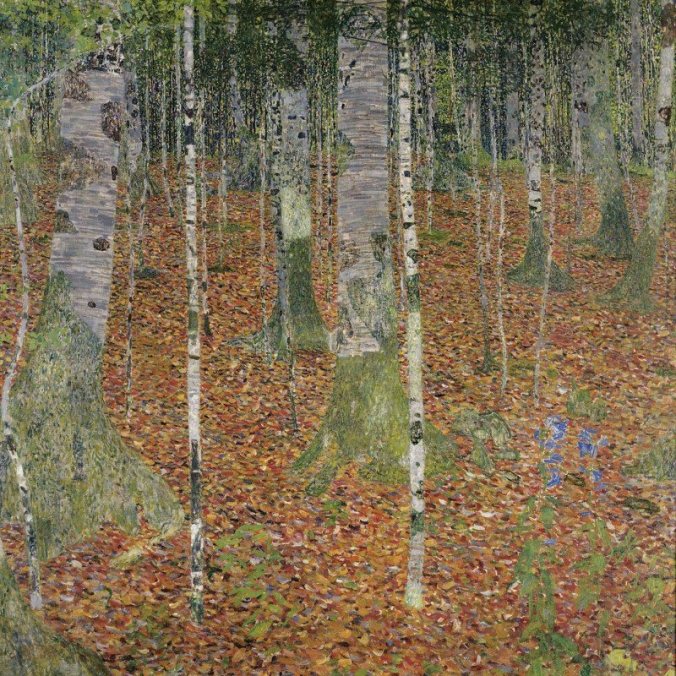
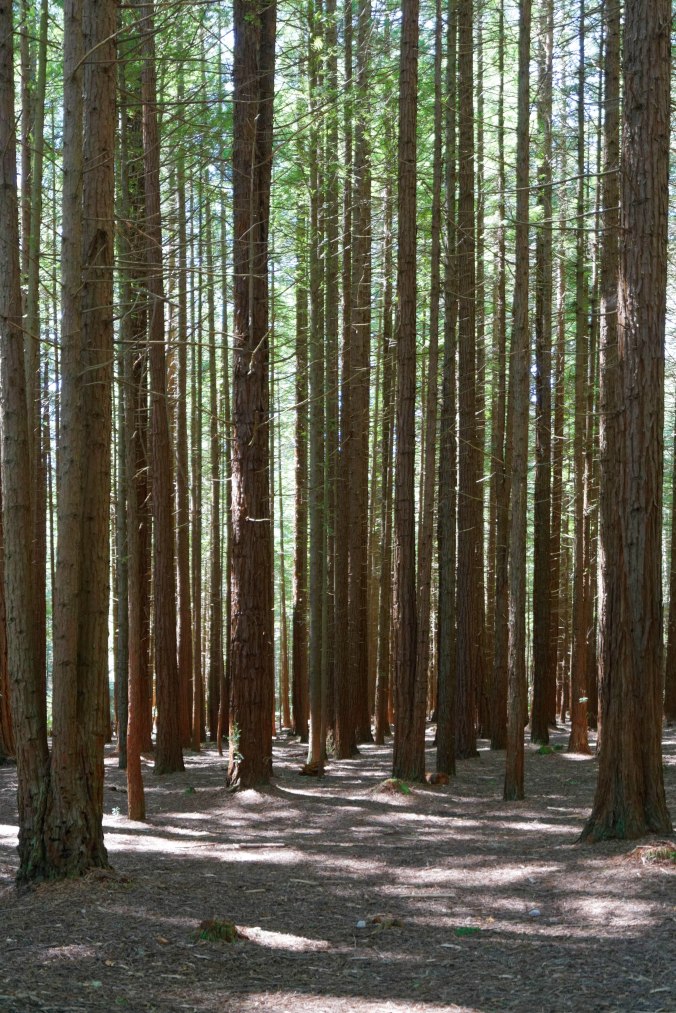 offering a skylet-high tree walkway,
 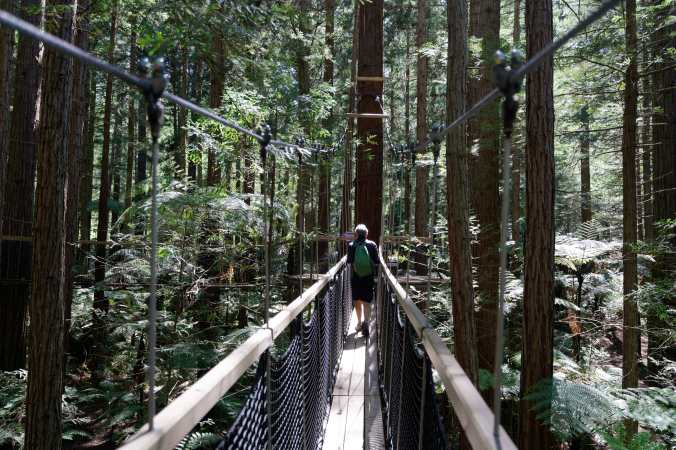 right outside the city of Rotorua, the forest the result of a tree growing commercial experiment which brought the trees over from California way-back-when-enough that the (skinny) redwoods reach (from unverified memory) three hundred feet and more.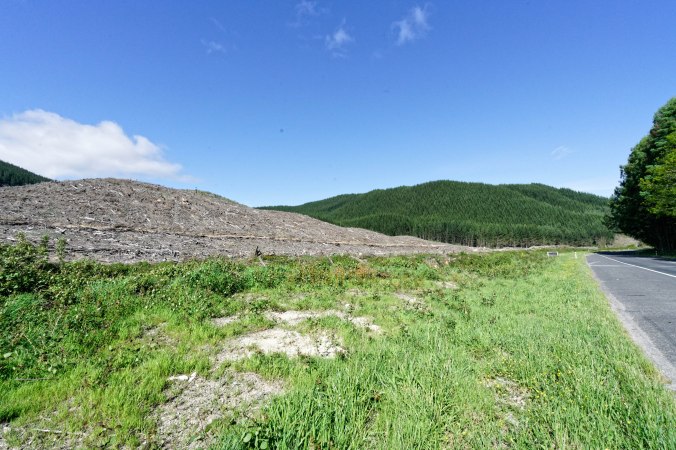
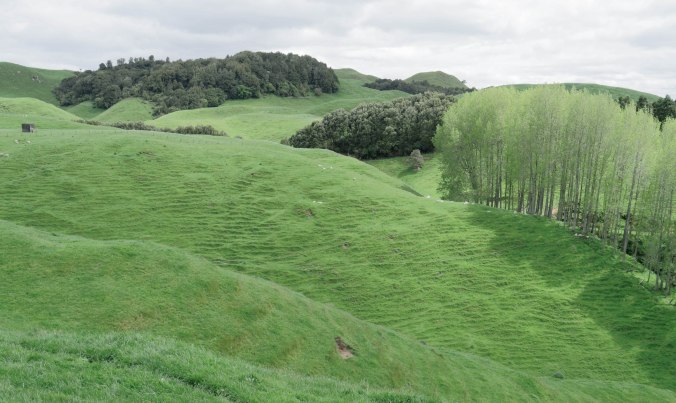 make Maya Lin’s land-sculpture in Storm King Sculpture Park,
 which we once admired, a bit self-mocking. Driving through hours of such hillocks made for the greenest mad-undulating landscape this side of our known experience.
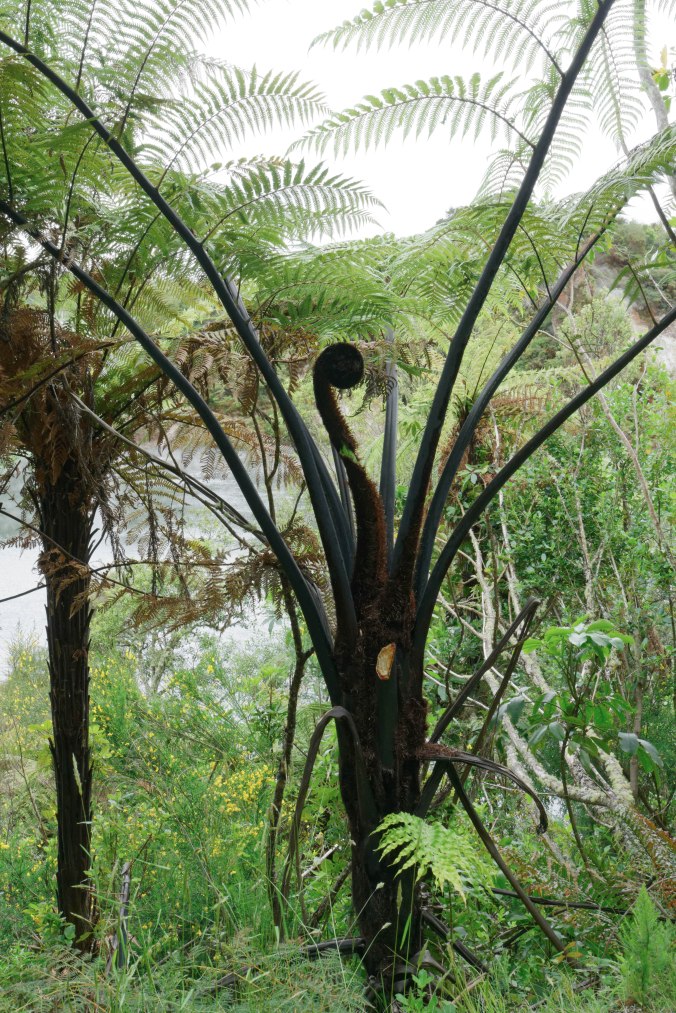 Sarah’s favorite tree — its name escapes us — was that black-barked fern, plentiful in much of New Zealand, which, in rain-forest-y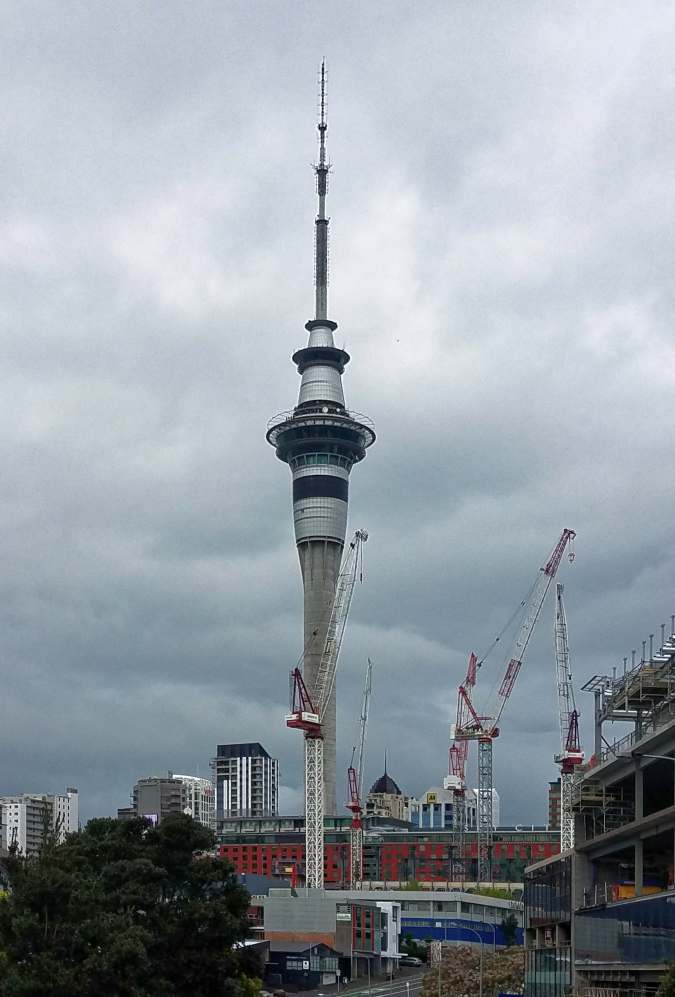

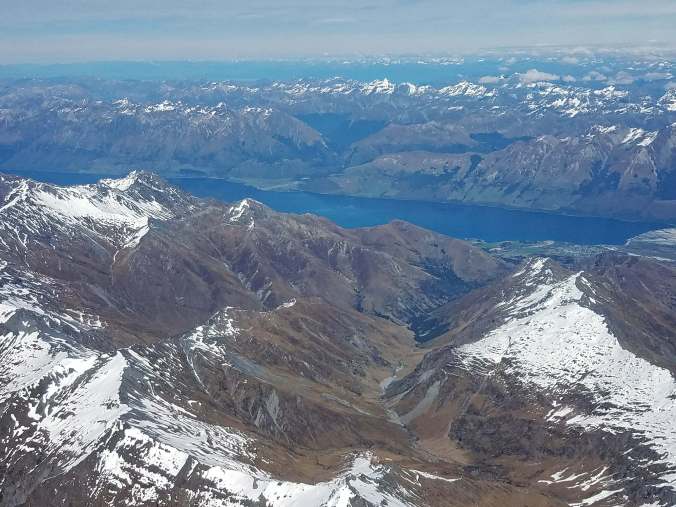

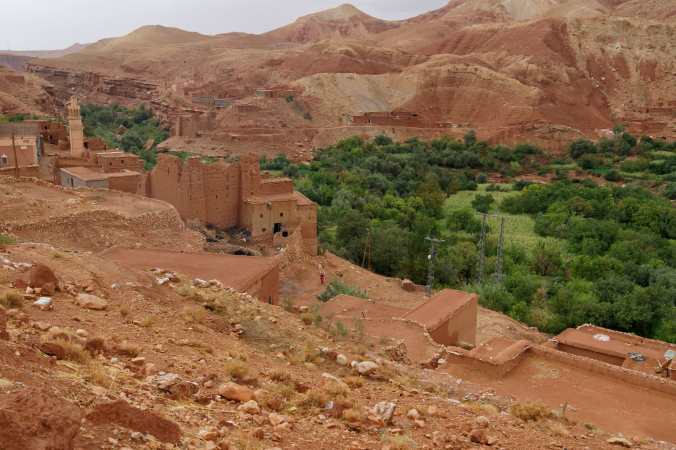 and visiting two historic sites, one barely on the beaten track and the other of movie and vernacular architectural fame.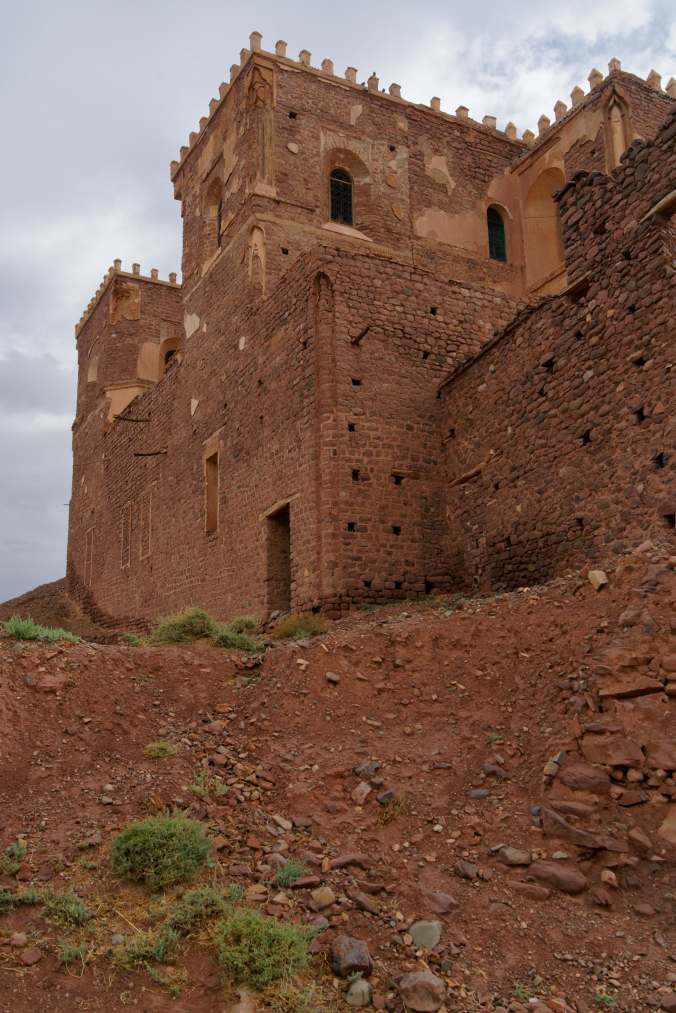
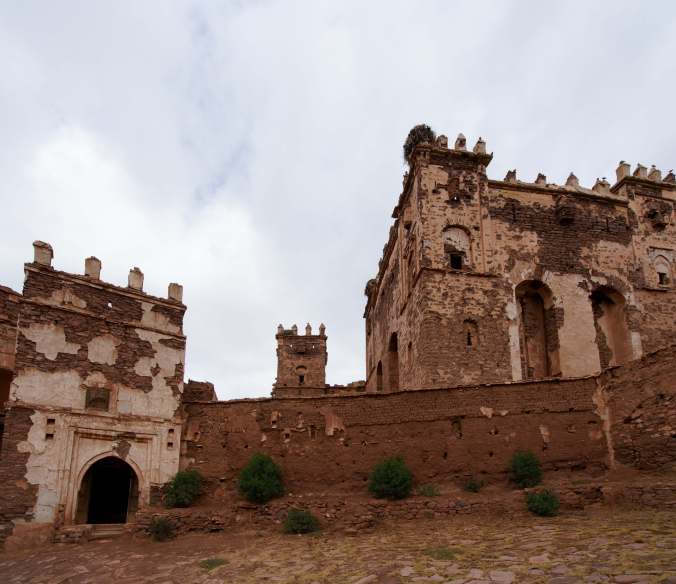
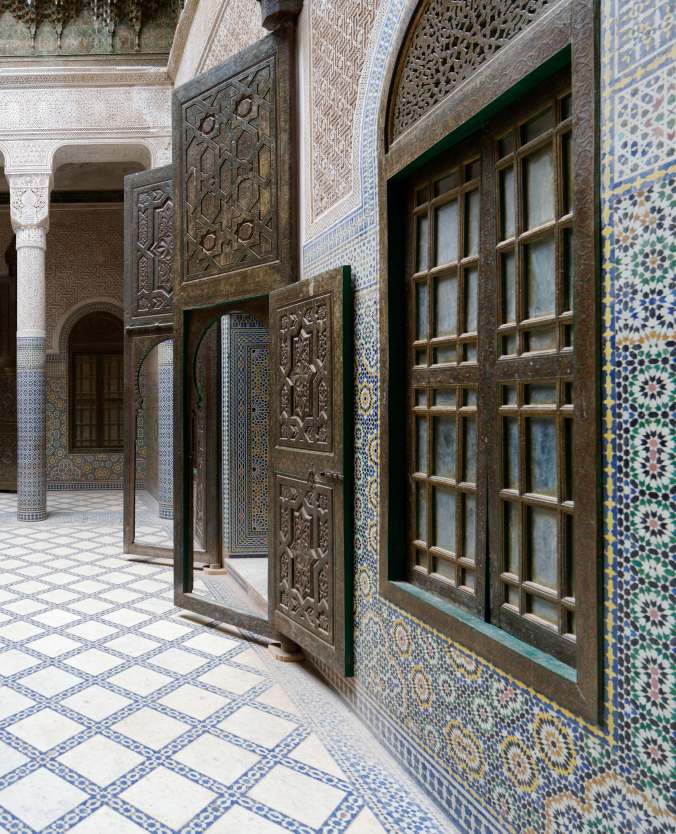 Sarah, Gideon, and I had an ongoing discussion both about the status of Islamic decoration/craft/art, as whatever its intricacies and pleasing qualities may be, their status as one or the other or the third seems not so obvious, at least to me. A reason I was less enamored with Morocco is that, if its geometric patterning in tile, plaster, and wood is art (which I tend to doubt), then it is art that fails to hold, let alone fascinate, me. Sarah tends to come down on the other side, but I suspect she sort-of agrees with me – Sarah, it’s time to rise to the challenge! Gideon has sided with his Mom but that’s because he sides with himself.
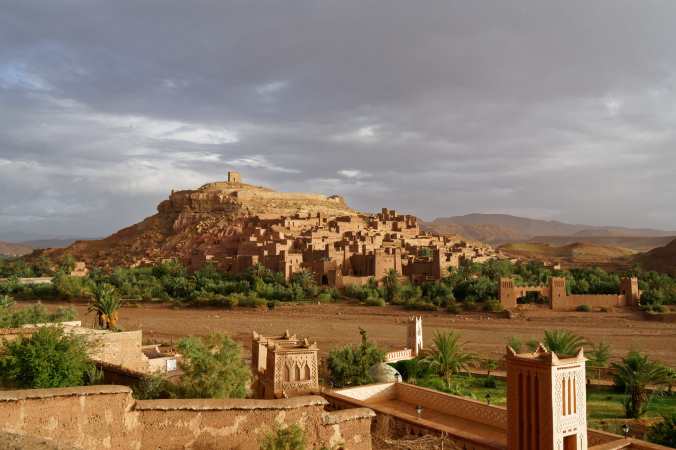 It is famous as the stage set for films, including most famously Gladiator. We walked in Russell Crowe’s footsteps!!! One merchant (a few structures house tourist-friendly goods) proudly showed us the room in his building where Crowe was imprisoned, and insisted, very good-naturedly, that he and I be photographed there together.
 He told us that he was in the film (among five others) and even the princely sum (which for per-capita-income-challenged Morocco it is) that he received daily for six months for his Gladiatorial film work. I imagined I had remembered him in the film, even though I saw it when it came out twenty years ago. I’ll have to check. The town itself is picturesque and suggestive from afar as it steps us the hill,
 from which it seems to burst forth fully formed and colored in its earthy turrets and more, but far less impressive to walk through which experientially is nothing special. Gideon dubbed it a dud and even Sarah, who sees it as a vernacular Parthenon, admitted performatively after several dozen minutes (“I’m ready to go”) that there’s not much to see there beyond its overall, stunning profile.
 He would have liked to spend several more days in them driving and hiking. They were unexpectedly beautiful, though my need, as our driver, to stay utterly focused on the guardrail-less sliver-thin mountain roads, led me to miss most of it. But the oohs and aahs, and the more evolutionarily advanced modes of expressed-appreciation which Gideon showered us with left the basis for his determination to return to the Atlas unmistakable. Unfortunately for him we had to move on, or, even if we didn’t absolutely have to, we did anyway.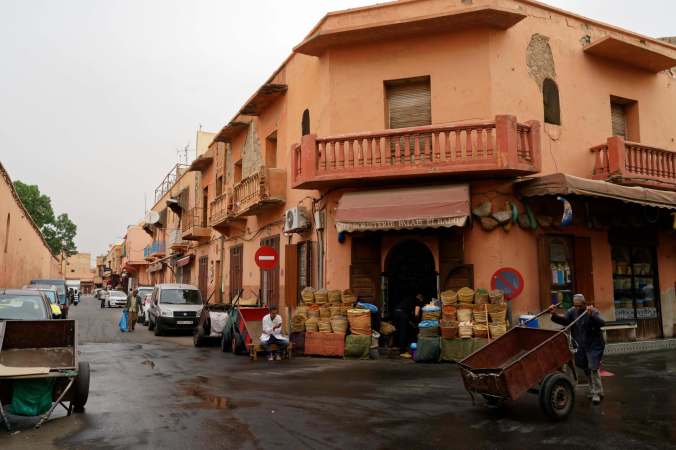
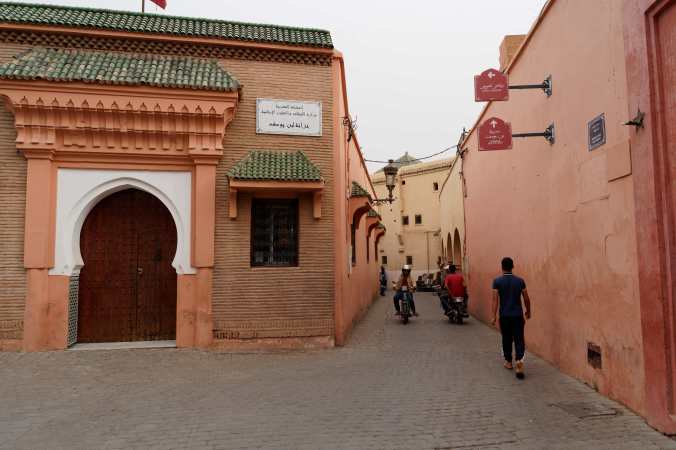 that Gideon and Sarah, immediate enthusiasts, lobbied for staying even longer than the planned week. This was even before we saw our Airbnb riad in the medina, with which they instantly fell in love.
 A consistent theme of our time in Morocco was that I liked what we saw and what we did somewhat less well than they did. To what extent this was owing to our different appreciations of the temperature, different temperaments regarding the hustle and hustling of the medina (where we walked with big targets on our fronts and backs), or differential ability to ignore or look beyond the manifestly subordinated place of women, rather than to different judgments about what is interesting or meritorious, is hard to know. Nonetheless, Morocco certainly presented a different face, or many different faces, from what else we had seen in Africa. This alone made it interesting.
 traversing the narrow alleyways of our residential area to the end of what was a dead end where our entrance lay. Once inside, courtyard open to the sky,
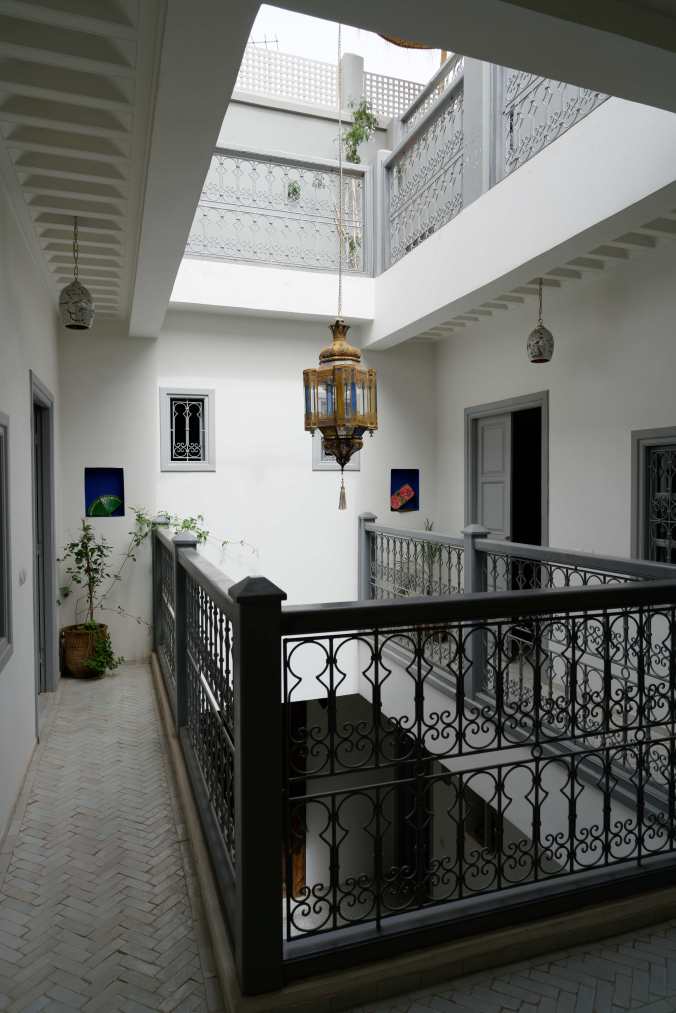 we were contained in our own mid-century, stoned Moroccan world, except for the five-times daily (the first occurred at 5:45 AM), insistent call to prayers to the various nearby mosques, which loudspeakers made impossible to ignore.

 Of course, today most of it is oriented to tourists, with on the whole more appealing offerings (rugs, ceramics, silver and beads in all kinds of constellations)
 than the norm, but especially where we were, it also provided the lifeline of daily needs for the inhabitants – small grocers, stores with household essentials, laundries, and cafes for the men (singly, paired, in clusters) to while away the day.

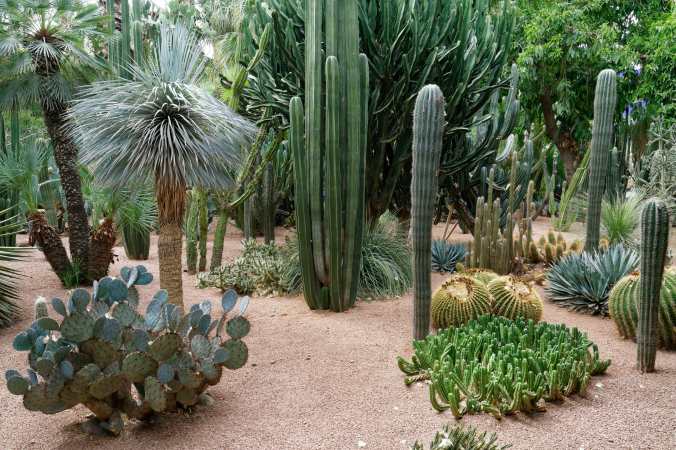 a garden of desert plants, purchased and rejuvenated by Yves Saint Lauren and his partner Pierre Berge. It is as memorable and spectacular a contained garden as we have seen, a fiesta of specimen planting and display, with cacti of every sort as beautiful and wholesome as even your imagination could want. Marrakesh has its charms and its magical salmony-colored quality, rendering it, together with its impressively massive walls and the medina they enclose, a city of distinction, and worth visiting. It’s historic and contemporary marquee attractions – including palaces and tombs, museums and villas – are however mainly underwhelming.
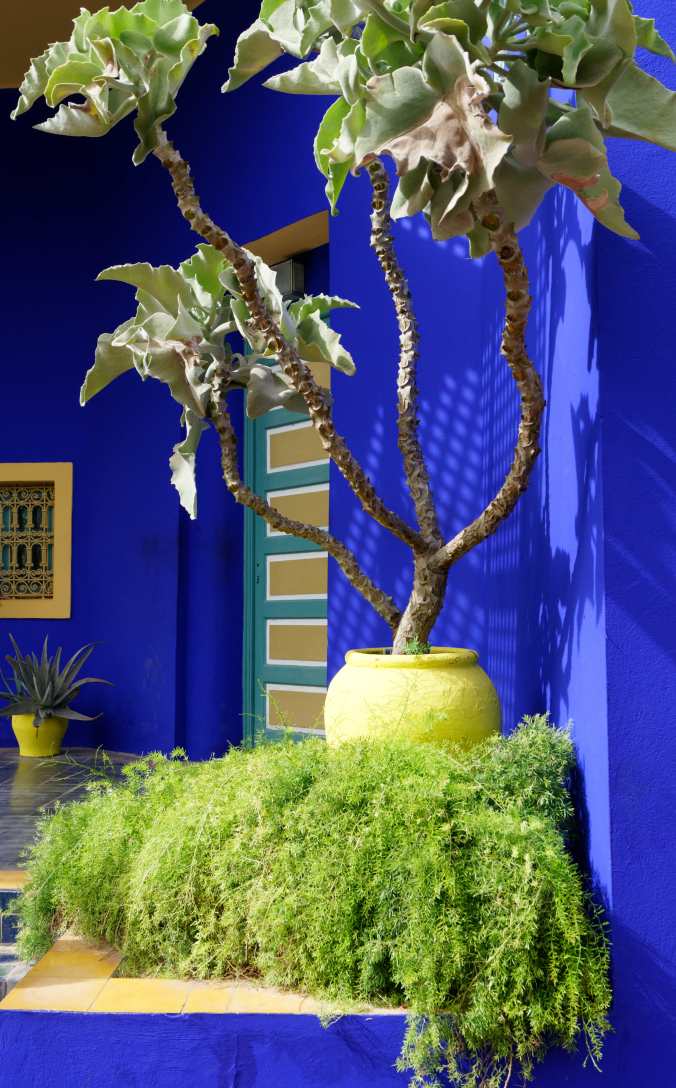 But the Jardin Marjorelle… the magical Jardin Marjorelle…
 The stunning and varied non-Namib landscapes, especially between Sesriem and Walvis Bay, which Sarah described moving through — having over the last few months experienced a range of unforgettable scenic road trips — as one of the best drives ever.
 The idiosyncratic hotels we stayed in in the desert, the first being an expensive contemporary castle (at least in wannabe form)
  and the second being an inexpensive “desert farm” with as beautiful a desert garden as you could want.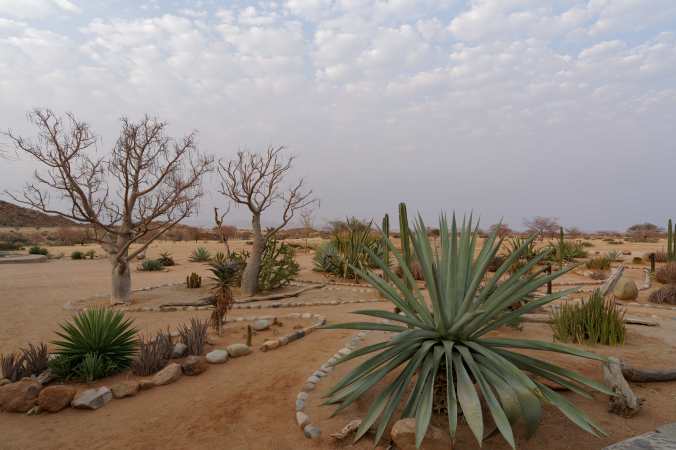
 The sunrises.
  The walk from the castle hotel just out there into the desert, with the sense that we could have gone on forever (or until we died of thirst).
  The totally (–>this is no hyperbole) unexpected excellent coffee shop and bakery in aptly named Solitude (it’s a few structures strong) — started fifteen years ago by a man who fled his broken life, started anew in this middle-of-nowhere, and, loving it, never left. The lovely small book store in Swakopmund, with books in three sections, one for German, one for Afrikaans (probably, the lingua franca of Namibia), and one for English, and containing an impressive multilingual section on Namibia with many books on the colonial period and the genocide. The good-naturedness and easy-goingness of all the people we met.
 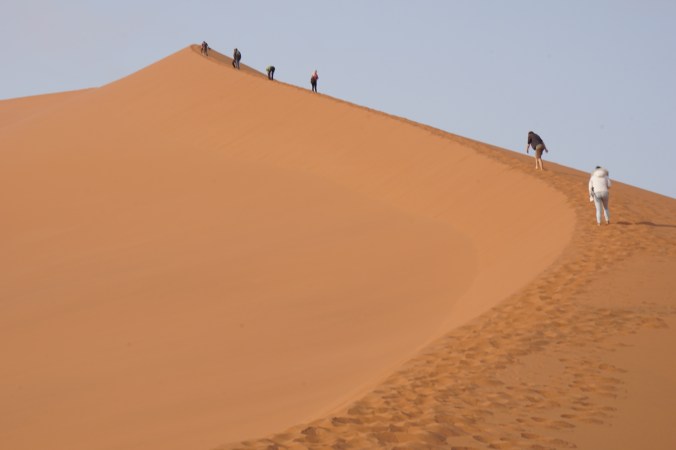 The personalized, memorable short week we spent there made Namibia (for the supertough raters) a nine and (for the simply experientially-tuned) a flat out ten.
 Coordinating Goldhagens