MOST people probably know many things about the Land Down Under, but if it happens that it’s only one or two things, likely these include the tale of how, when the British began colonizing Australia’s eastern shores in the late 1800s, boatloads of jailbirds were involuntarily hauled in tow. Prison wards in England were crammed full, dark and tight (just read Dickens’ Little Dorrit); offloading convicts to the colonies was one way to relieve overcrowding. Many of those forcibly resettled unfortunates had been found guilty only of minor crimes — forging checks, unpaid debts, that sort of thing. Others had committed worse. Either way, once they’d served out their sentences, many stayed.
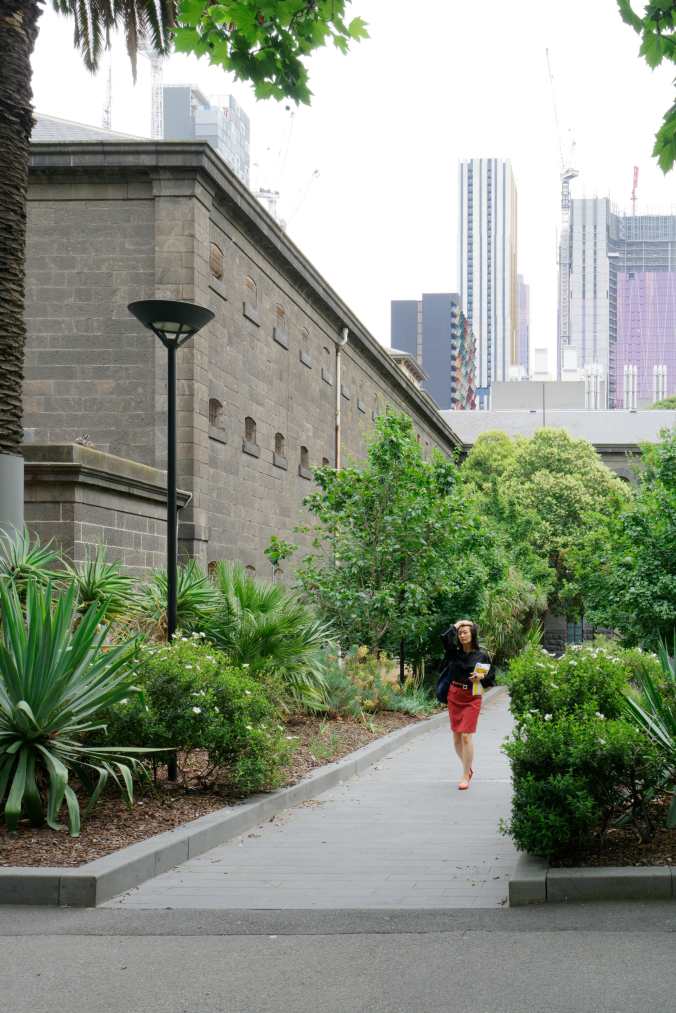
Old Melbourne Gaol, 1838-1845
From this single, oft-tapped historical spigot of a fact, a fountain of cultural stereotypes continues to gush. Such as: Australian bodies, especially male bodies, come blonde, big-boned, and saturated with unusually high alcohol content. Australian social practices tend toward the big-hearted and ever-so-slightly crass. Australians incline toward the provincial; inward-looking, they can be a bit quizzical if not suspicious about the pertinence to them and theirs of knowledge harking from beyond their continent’s shores.
Time to shut that spigot off for good. It’s all nonsense. (Indeed so much so that I predict that Danny will object to my writing the paragraphs above, maintaining that one shouldn’t risk perpetuating untruths by recyling them, even if only to discount their veracity.) Since 1996, year after year, the largest percentage of immigrants settling here hail from South and East Asia (you can see the statistics here: http://www.homeaffairs.gov.au/about/reports-publications/research-statistics/statistics/live-in-australia/historical-migration-statistics). And though it’s true that around 20% of Australians claim a convict in their ancestry, that means 80% don’t — and one distant convict in one’s otherwise full ancestral tree is hardly a mark of Cain. Besides, what does it matter? The last flotilla of villainy landed here in 1868, 160 years and many generations ago.
Nonetheless, architectural artifacts of the country’s penal heritage constitute its earliest landmarks. Some, as in Sydney, are buried beneath later infrastructure near the shoreline (near the Barangaroo Reserve in Sydney, below); others, like the splendid, if forbidding Old Melbourne Gaol (above), are historic monuments.
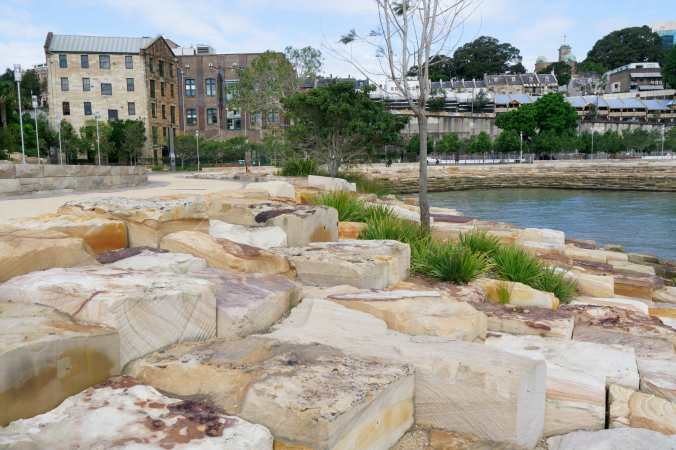
Barangaroo Reserve, Sydney
Today, these are but tiny, obdurate reminders of Australia’s early history, buried in the urban fabric of its cities. So what can we say, even provisionally, about Australian urbanism given our scant exposure to Sydney and Melbourne?
Sydney and Melbourne’s sites differ, for sure. Hilly Sydney boasts of its fun-in-the-sun, 150 decadent miles of shoreline, and that’s not even counting ever-hungrily-land-sucking suburbs. Melbourne’s largely undifferentiated flatlands are slung lazily along the muddy, unprepossessing Yarra River. Even so, their patterns of urban development and growth vary less, or so it seemed to me. And if Sydney and Melbourne’s urbanism represents any sort of larger reality (I wager they do), then Australians have by and large embraced, and more or less consistently practiced admirable social democratic ideals: what we saw evinced a well-considered, well-constructed, well-ordered civil society, even with predictable infelicities of all sorts notwithstanding. We saw this in the residential areas and in the city’s newer public spaces, the topic of the next post.
WE situated ourselves in the so-called “inner ring” suburbs, which seems to denote a distance from the urban core of approximately 4-5 kilometers. Our first stop in Melbourne was tiny Middle Park (population ca. 4000), conveniently proximate both to the City Center and the Pacific Ocean. The neighborhood retains an impressive stock of diminuitive Victorian residences (many with ornate cast iron porch details, as below), most in reasonably good repair. 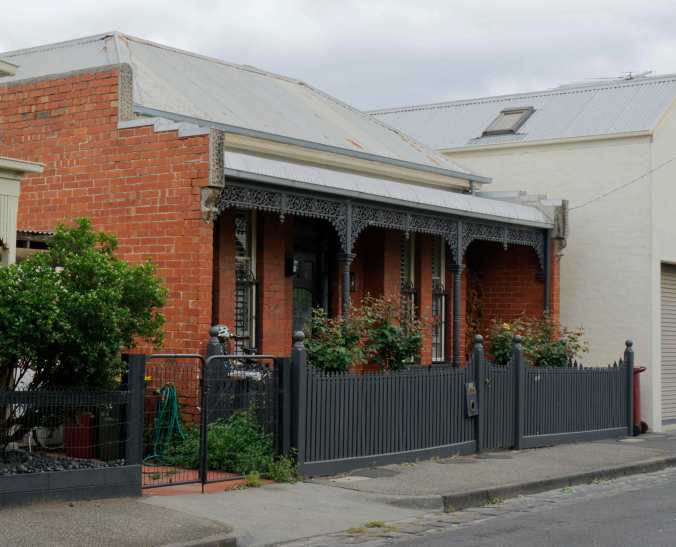
Scattered around, tucked between the older homes, are a number of modern single-family dwellings. It’s one of the better ones of these newer places that we managed to score. Tiny: two bedrooms upstairs; kitchen, living and dining room down. A nice patio in back, though.
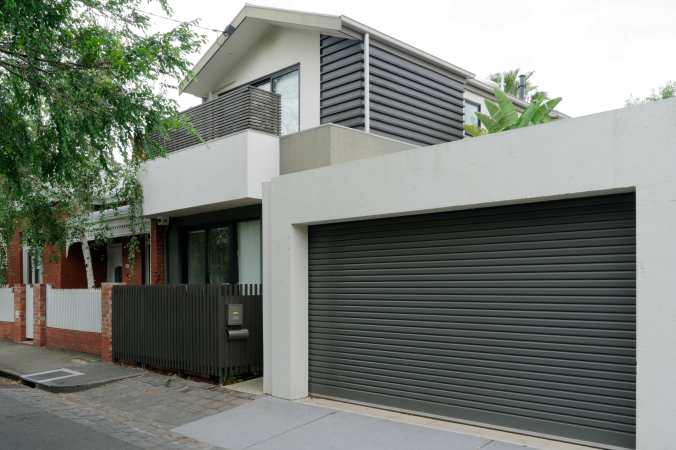
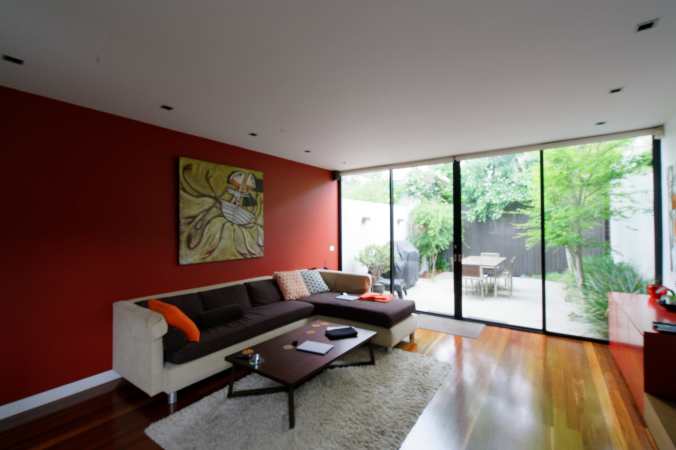
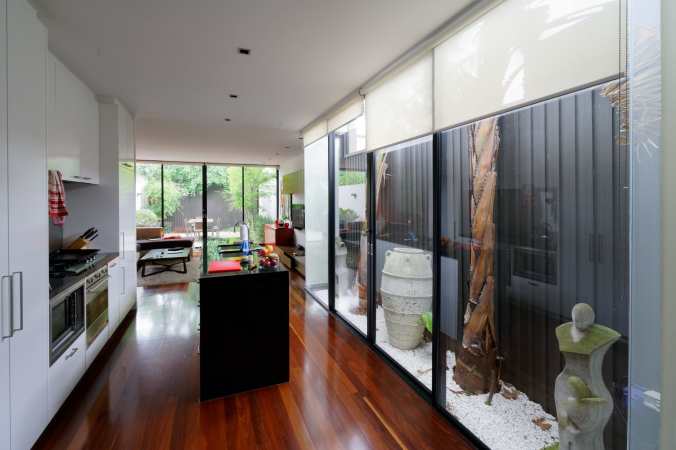 The recessed light well, at right, broke up the linearity of the main living area and admitted all manner of light and weather, including the torrential rains with which we were greeted –four seasons in a day, Uber drivers told us again and again, pontificating about the city’s fickle weather. Anyway, our little Middle Park abode proved a hospitable place to enjoy even the downpours, presenting them artfully, at a slight remove.
Itinerants we are, ever subject to the booking impulses of Airbnb’ers the world over as well as our own changing needs, we had to move after a fistful of days. We landed in a that-much-smaller place, an apartment in a residential high-rise in South Yarra, a decidedly more upscale, far denser district (population ca. 25,000), although its distance from the city center equivalent to that of Middle Park. From there, we got to survey Melbourne’s horizontal and vertical spread.
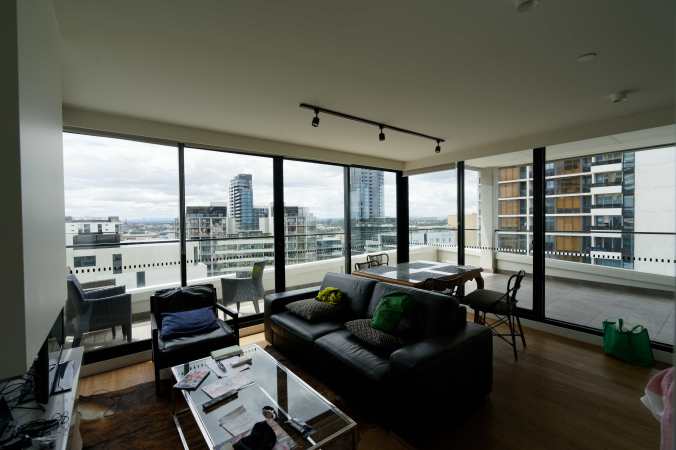 Scattered hillocks of towers, residential and commercial, pop up from the lilyponds of two-to-four story mixed-use buildings which spread in nearly every direction, all the way to the horizon.
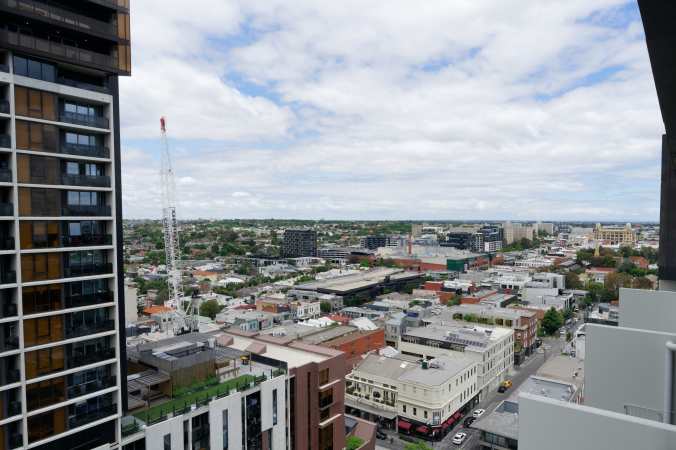 In commerical and higher-density residential neighborhoods, the taller structures indicate that Melbourne, like Sydney, takes its towers seriously.
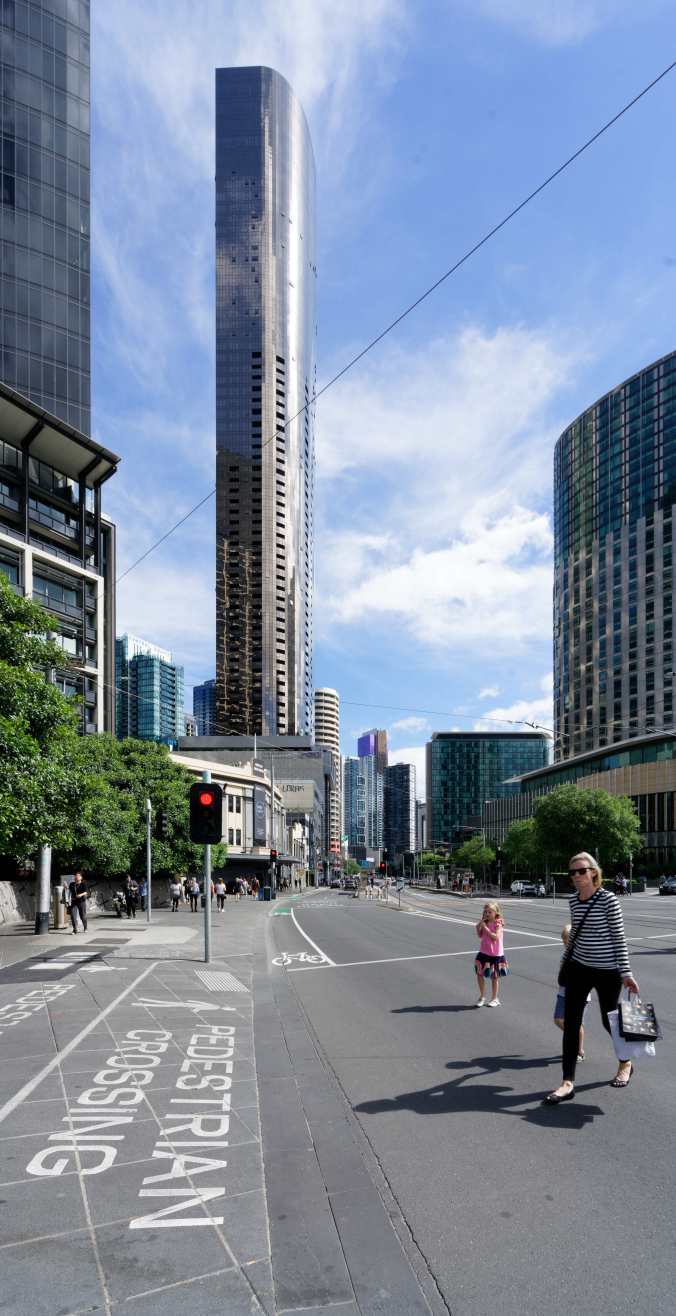
New ones, and old ones, too.
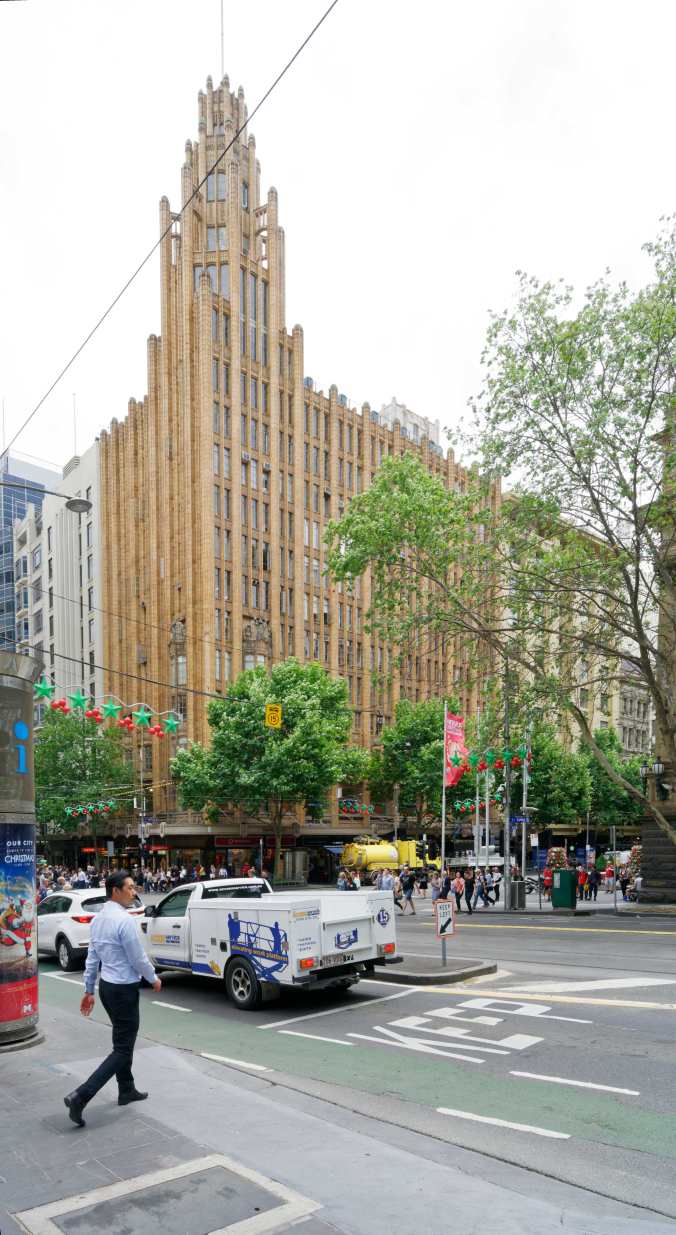
In any case, in both cities, it seems that they’re erecting a lot more of them. 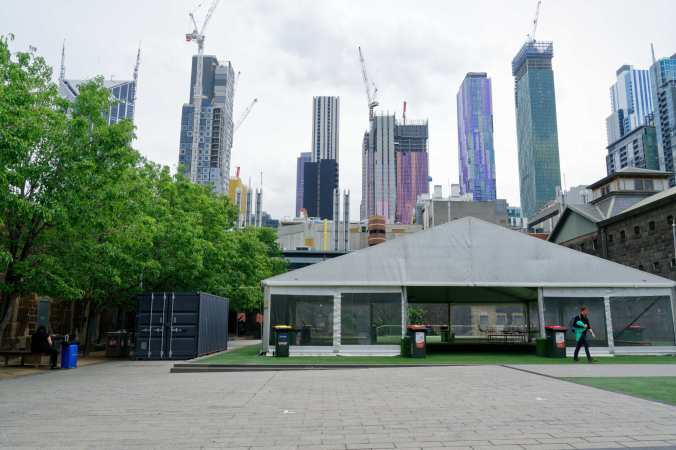 I tried to discover statistics on new residential and office space real estate, but curiosity vanished in the deluge of Google hits beckoning me to bankers’ and developers’ websites, so I’ll just go with the information offered by Meaghan Dwyer of John Wardle Architects: in both cities, there’s a lot of building going on.
Much of it good, and good in ways that indicate a heartening — or shall I say big-hearted?– vision of a social realm that supports sociability for all city-dwellers, not just the wildly privileged. 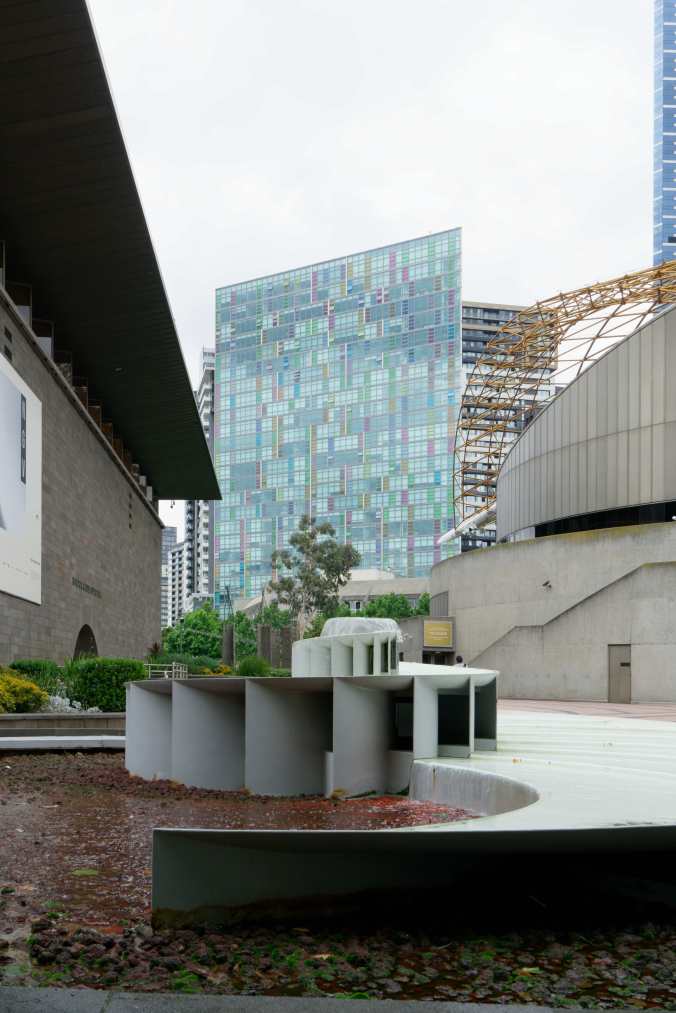
For notable public spaces and landscapes in both cities and what they might mean, stay tuned.
— Sarah
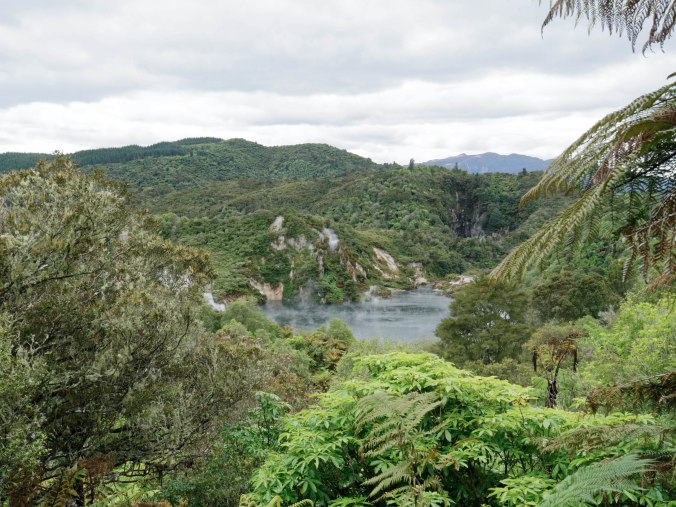 One place that succeeded in earning a top spot in our greatest hits album (maybe that’s this blog) was in the volcanic Rotorua region, which includes the Tarewera, a volcano that has erupted 5 times in last 18,000 years (one so extreme that it cast volcanic dust as far away as Greenland), as well as the Waimangu. The last major eruption of the volcanic craters all along Waimangu valley was in 1886, which falls easily within the era of photography. The
  The Waimangu regaled us with hot waters,
 and hot (and cool, in both senses of the word) colors,
 and with a tiny, even cute little geyser (below, at the left side of the image), wholly unlike the more conventional tower of water we saw a few years ago outside of Reykjavik in the gushing font that gave its name to this natural though relatively rare phenomenon, Geysir.

 that reminded Sarah of one of her newish-ly favorite paintings, by Gustav Klimt, which we saw in an exhibition of landscape art from The Paul G. Allen Family Collection at the Phillips Collection in Washington DC.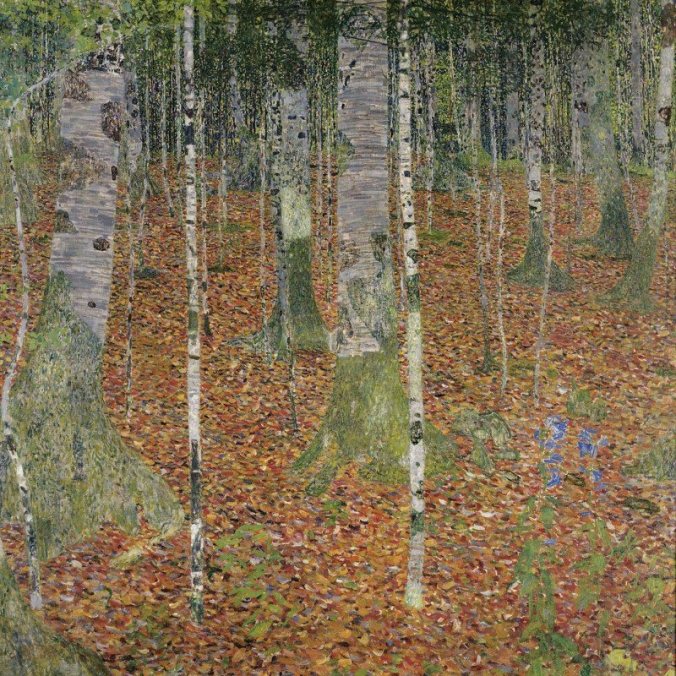
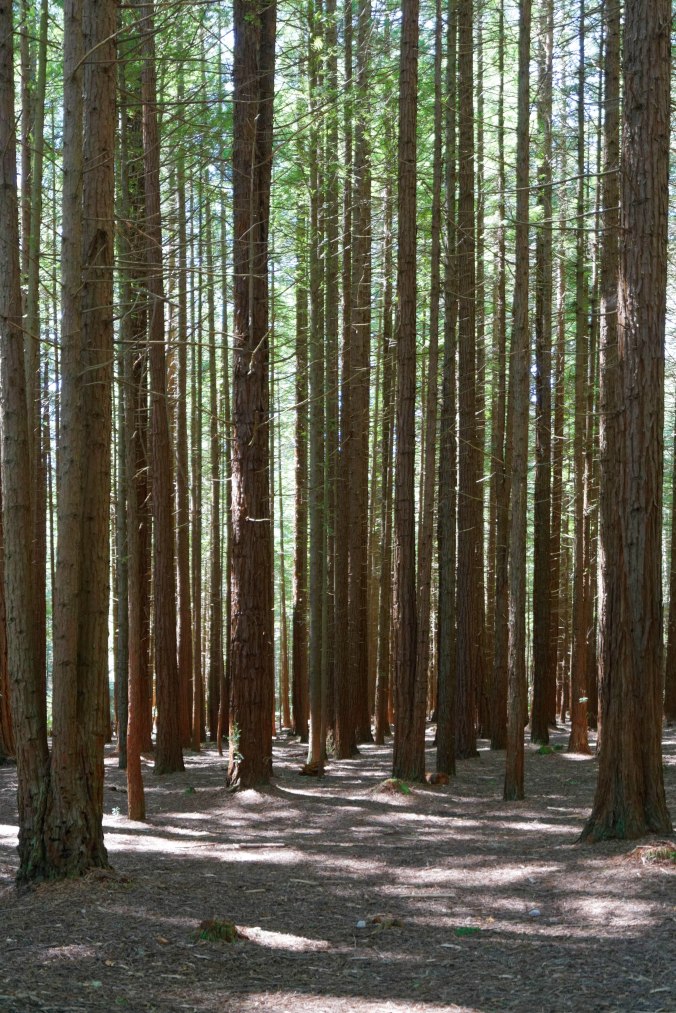 offering a skylet-high tree walkway,
 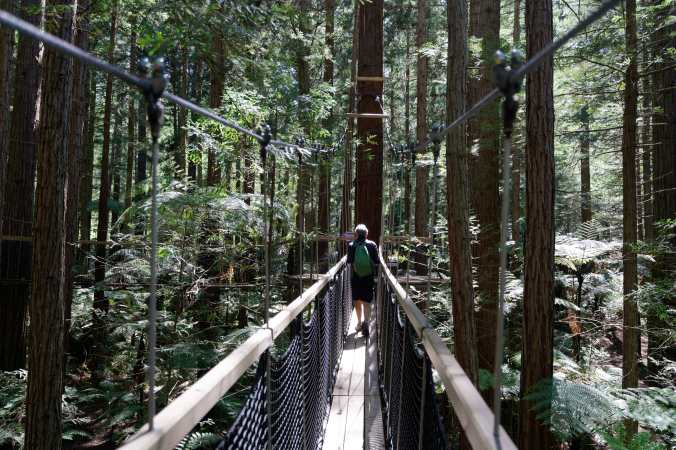 right outside the city of Rotorua, the forest the result of a tree growing commercial experiment which brought the trees over from California way-back-when-enough that the (skinny) redwoods reach (from unverified memory) three hundred feet and more.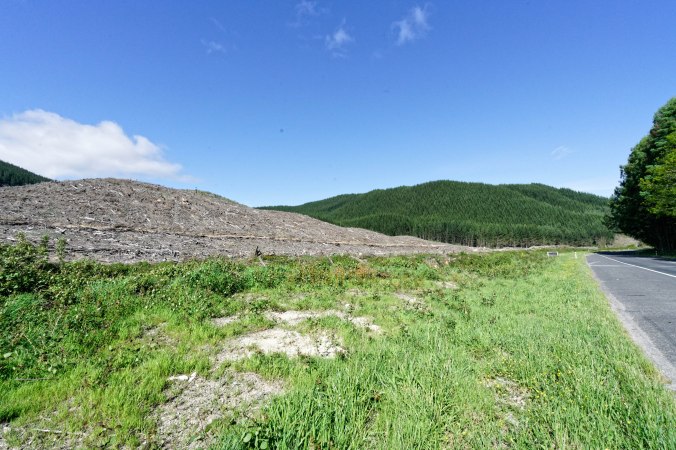
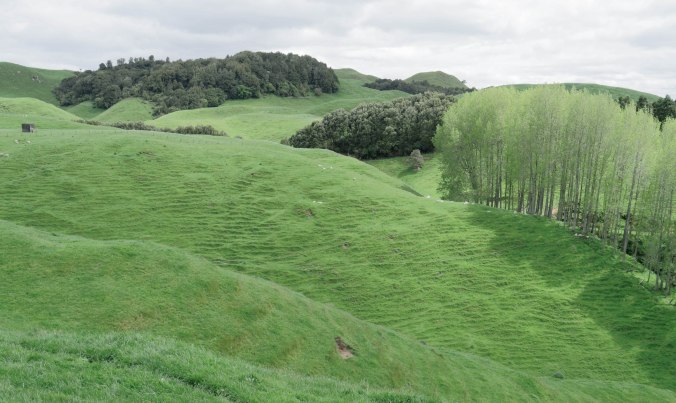 make Maya Lin’s land-sculpture in Storm King Sculpture Park,
 which we once admired, a bit self-mocking. Driving through hours of such hillocks made for the greenest mad-undulating landscape this side of our known experience.
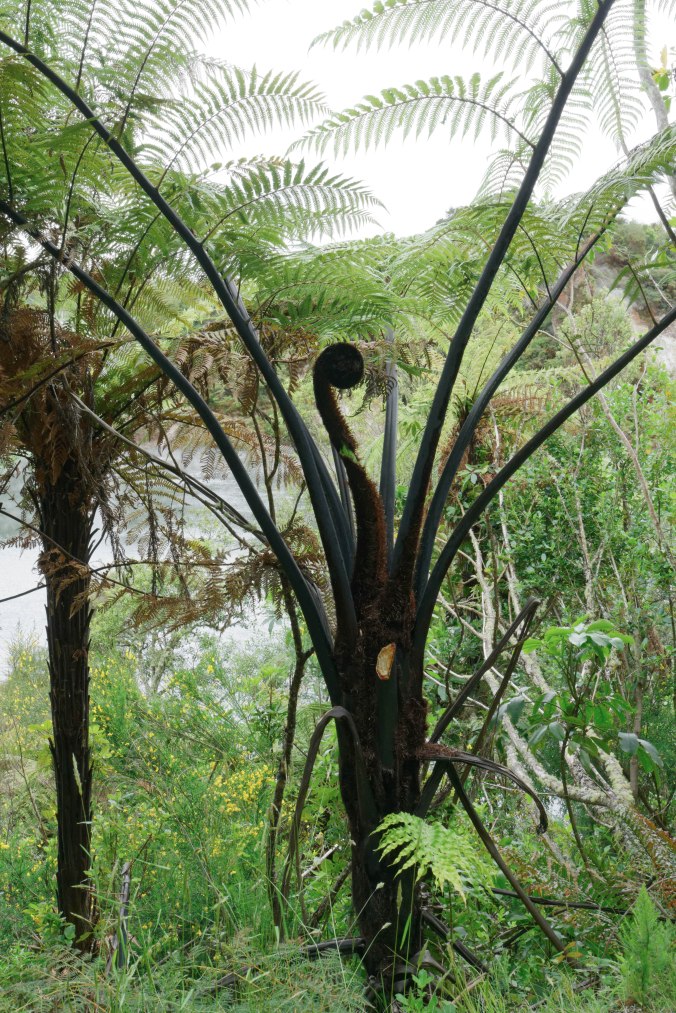 Sarah’s favorite tree — its name escapes us — was that black-barked fern, plentiful in much of New Zealand, which, in rain-forest-y
  New Zealanders, with their seemingly infinite capacity to charm, charmingly call trekking or hiking “tramping”, which constitutes something of a national pastime. Tourist brochures and government-sponsored websites alike advertise the Tongariro Alpine Crossing as the best one-day tramp in the country. Not for the faint of heart, though. It’s 19.4 kilometers (nary a water source along the way), with official estimates advising that hikers to plan on between six and eight hours, with the ominous addendum, “depending upon your condition”. You are also repeatedly reminded to pack for different kinds of weather events: you can shiver in pelting sleet and sweat in blazing rays of sun in a single day. Or you can find yourself at the peak of a dry, sandy, 10-foot-wide ridge huddling against 65 mile-per-hour winds, as happened the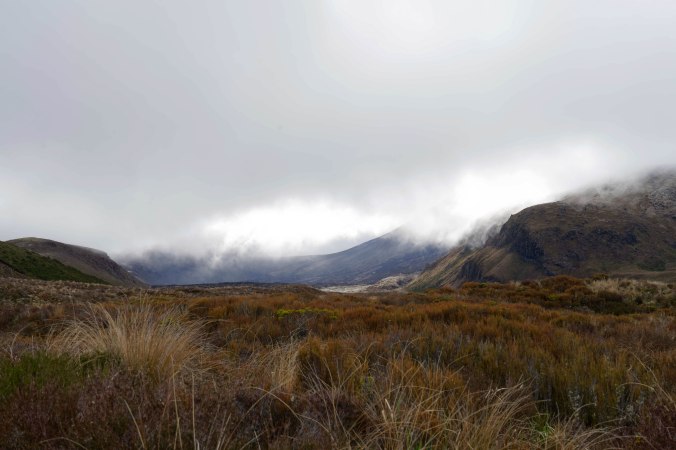

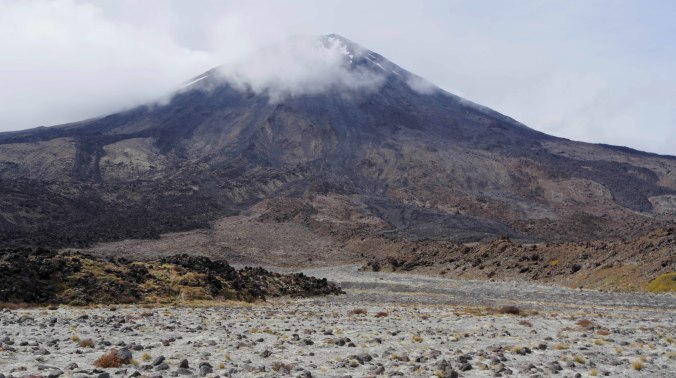
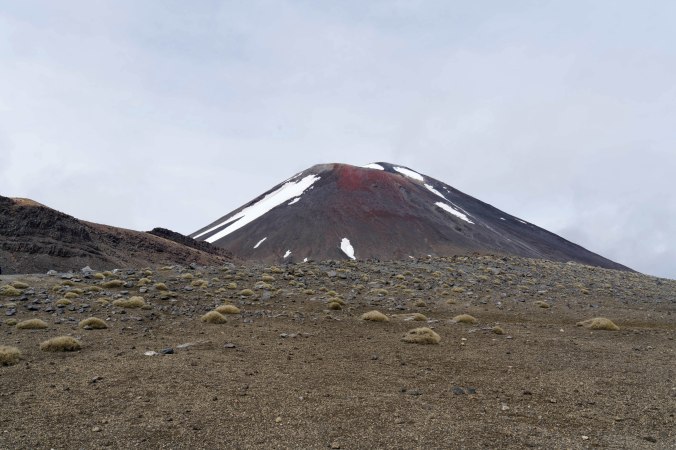
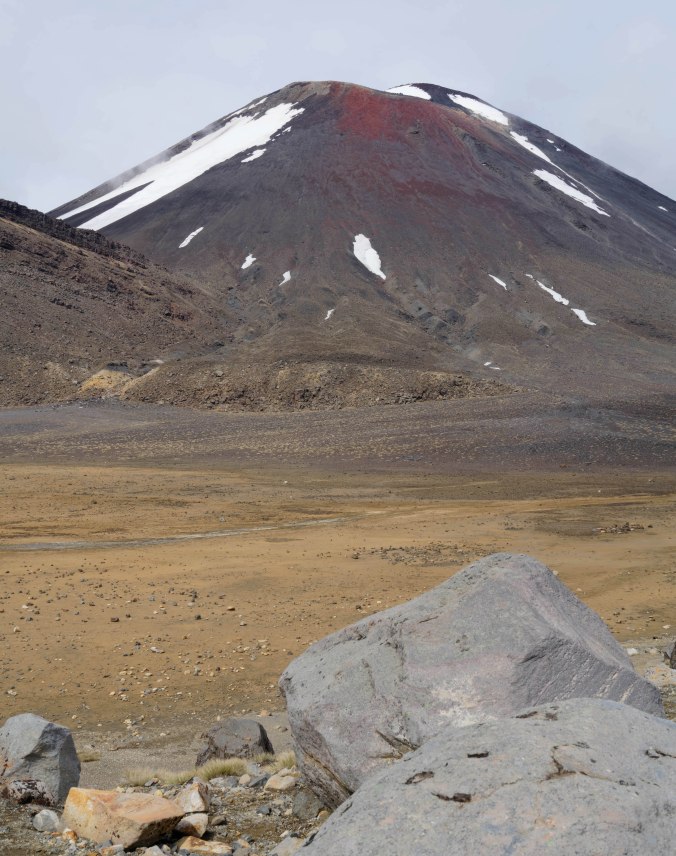

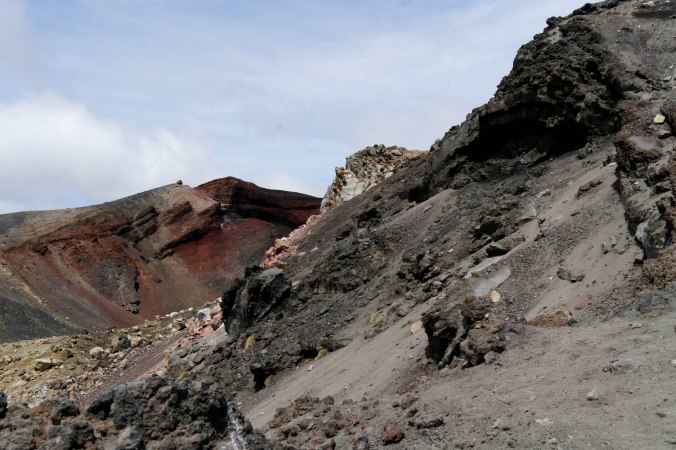
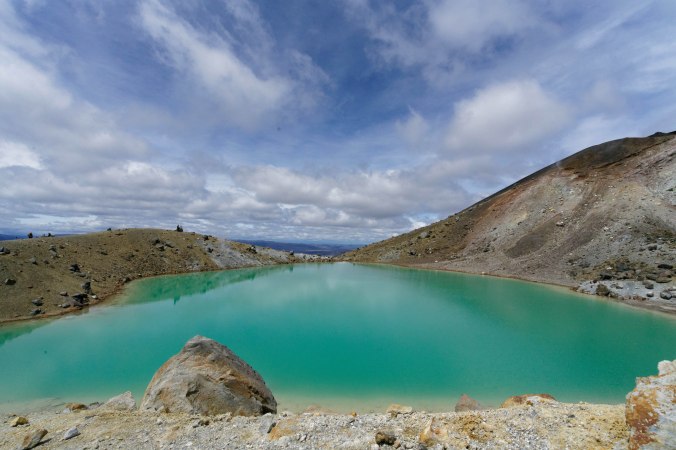
 Circumventing the Red Crater (you couldn’t actually ascend it) brought you into view of the vaginal-looking orifice from which all that lava spewed during its last eruption. From there, you began your multi-houred descent. Around one bend, you see this: the Emerald Lakes (at right). At left-center, in middle distance, you can just glimpse the Blue Lake, and behind it in the horizon, Lake Tapuo, which is a caldera of a different volcano, about 90 miles away.








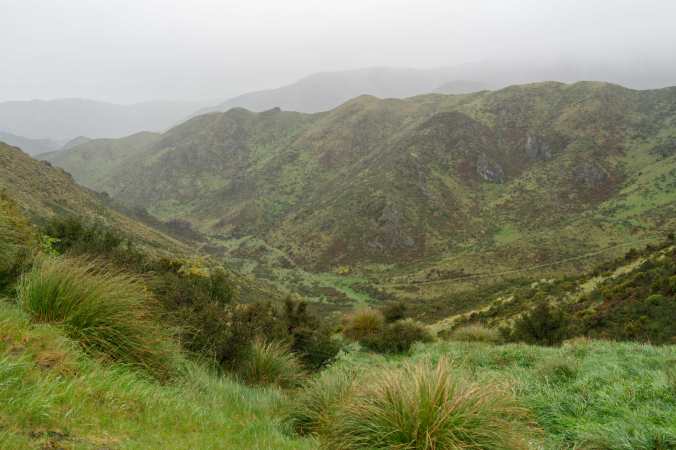

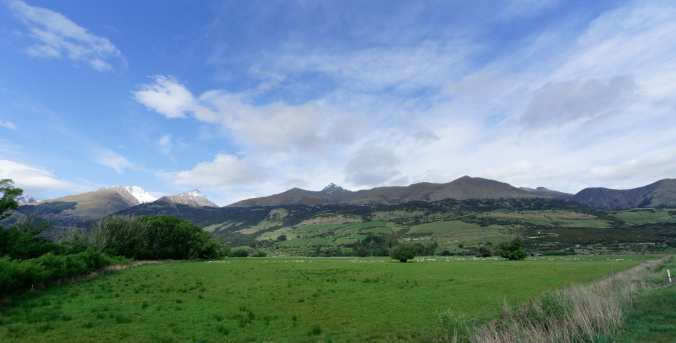


 and here’s the sunrise that greeted us in the morning.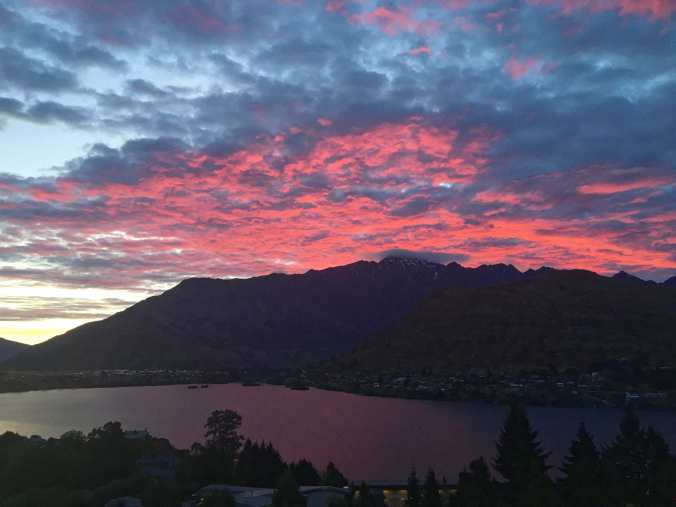
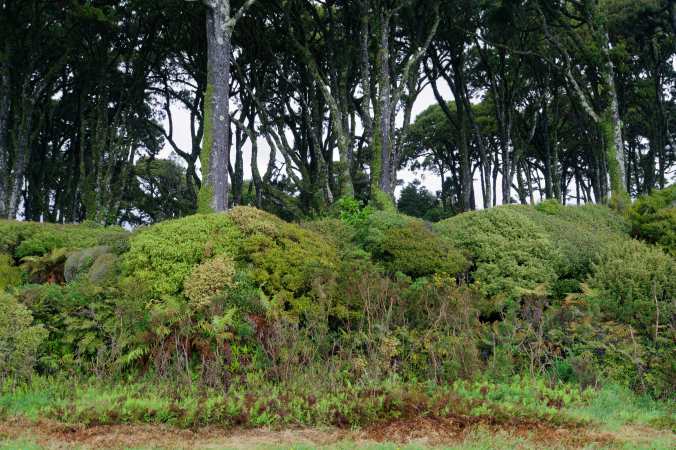


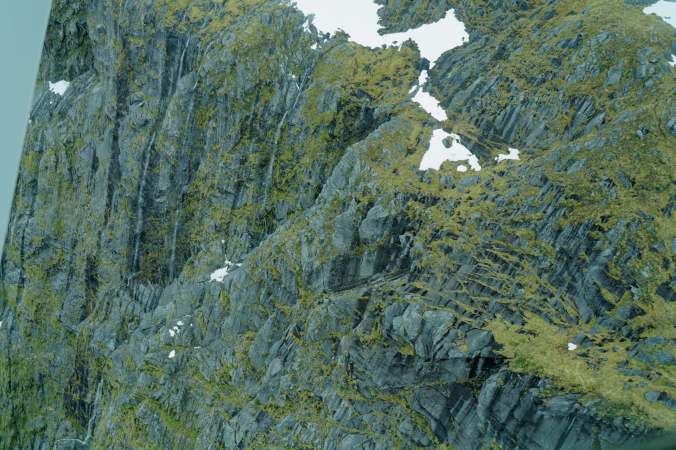
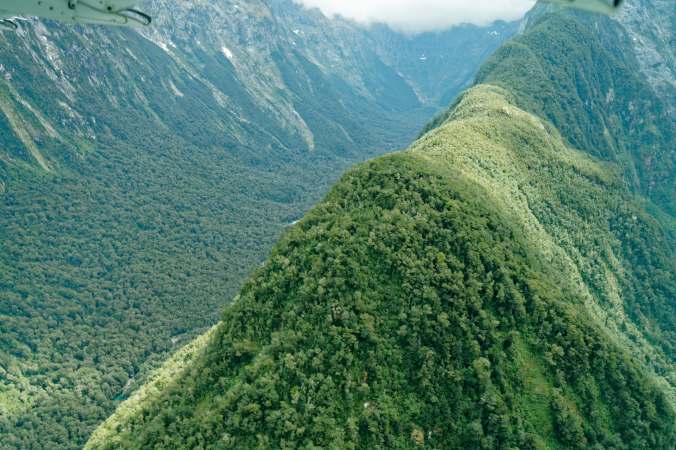
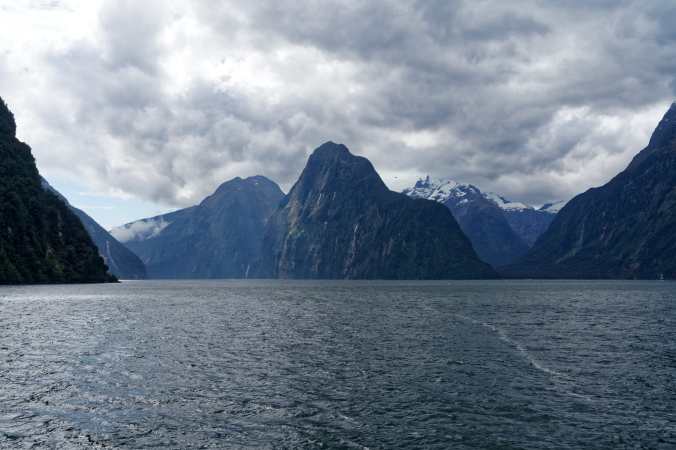 seeing those mountains shooting straight out of its deep, black waters is unforgettable.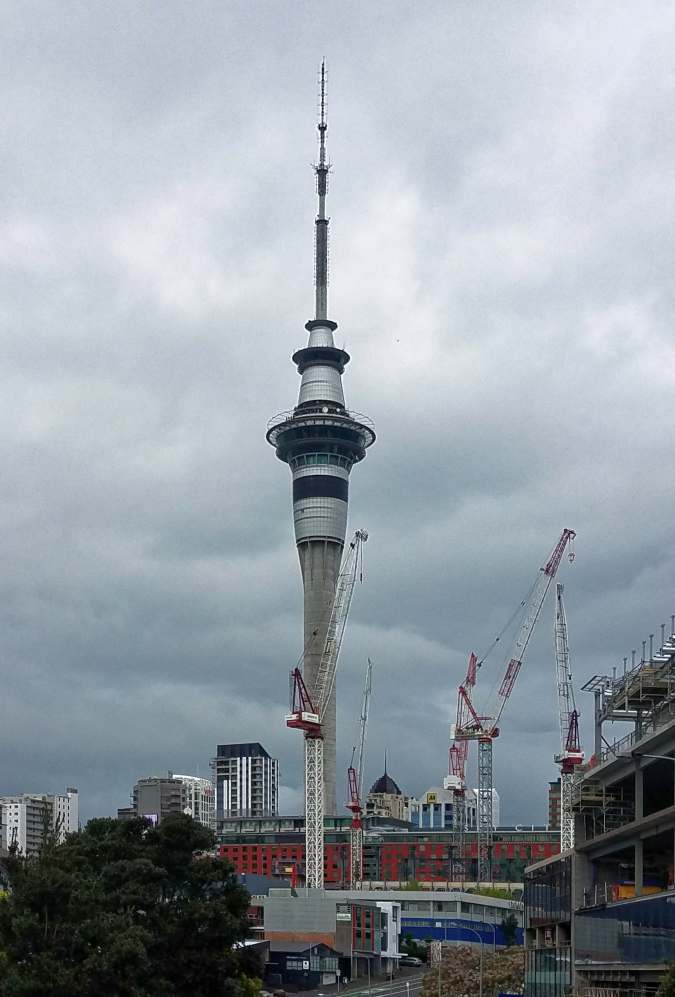

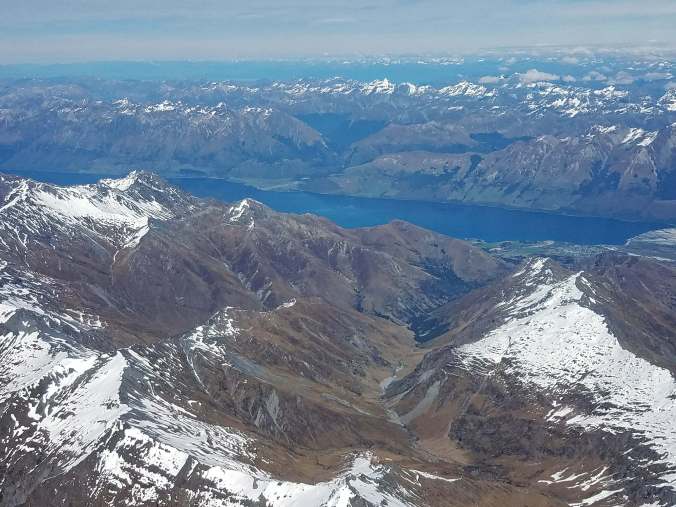

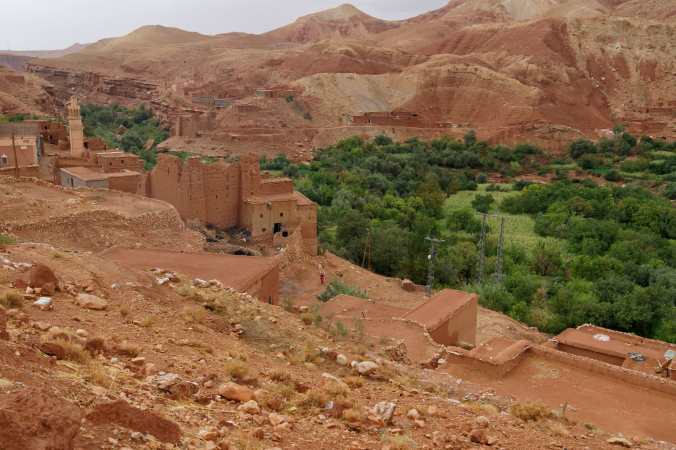 and visiting two historic sites, one barely on the beaten track and the other of movie and vernacular architectural fame.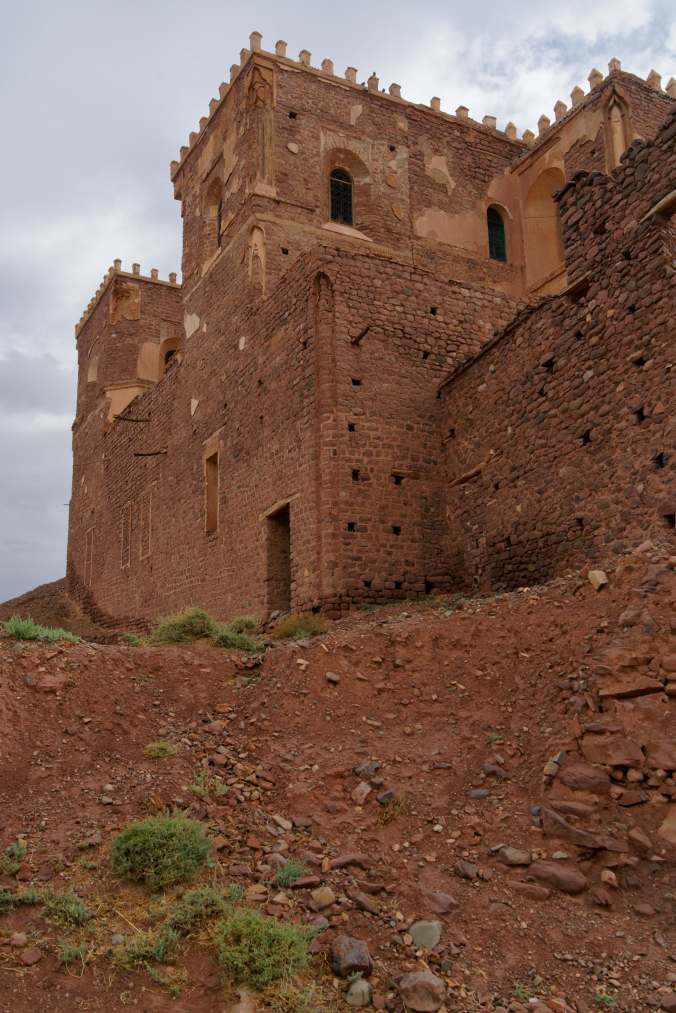
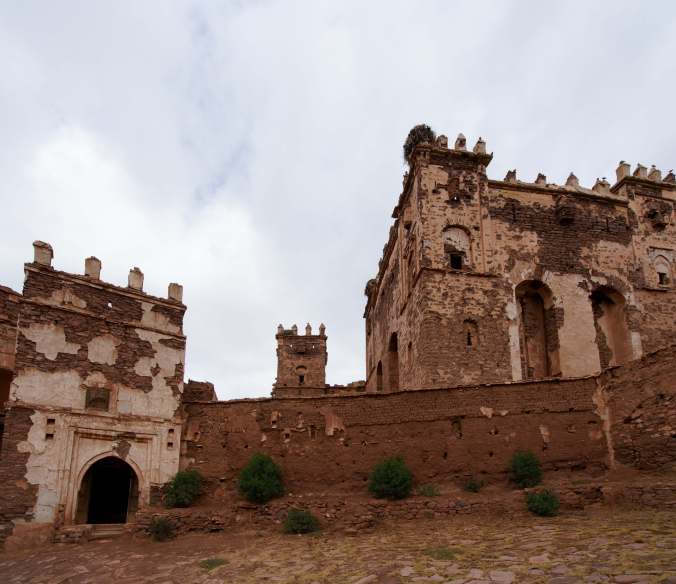
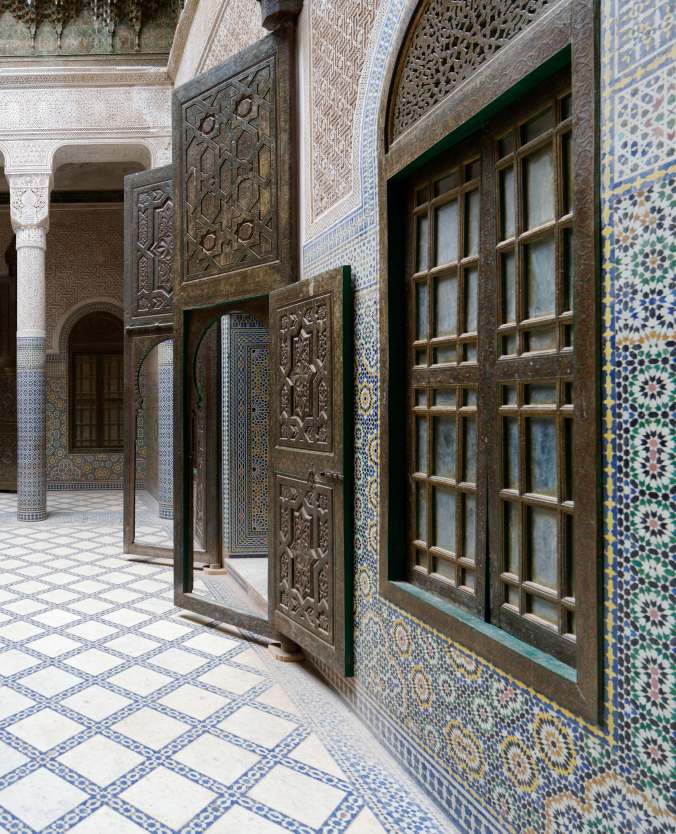 Sarah, Gideon, and I had an ongoing discussion both about the status of Islamic decoration/craft/art, as whatever its intricacies and pleasing qualities may be, their status as one or the other or the third seems not so obvious, at least to me. A reason I was less enamored with Morocco is that, if its geometric patterning in tile, plaster, and wood is art (which I tend to doubt), then it is art that fails to hold, let alone fascinate, me. Sarah tends to come down on the other side, but I suspect she sort-of agrees with me – Sarah, it’s time to rise to the challenge! Gideon has sided with his Mom but that’s because he sides with himself.
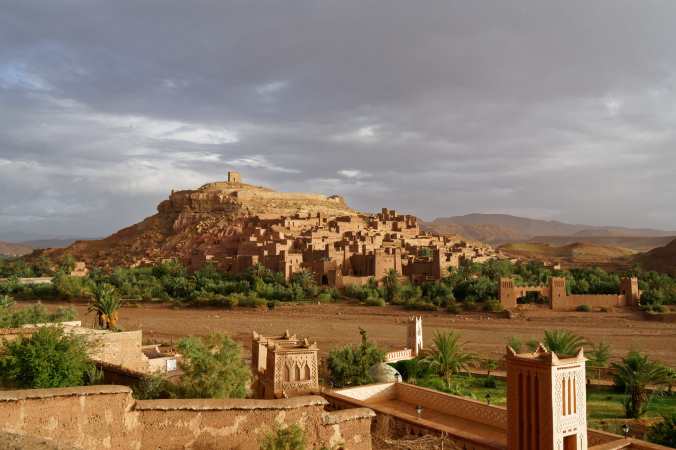 It is famous as the stage set for films, including most famously Gladiator. We walked in Russell Crowe’s footsteps!!! One merchant (a few structures house tourist-friendly goods) proudly showed us the room in his building where Crowe was imprisoned, and insisted, very good-naturedly, that he and I be photographed there together.
 He told us that he was in the film (among five others) and even the princely sum (which for per-capita-income-challenged Morocco it is) that he received daily for six months for his Gladiatorial film work. I imagined I had remembered him in the film, even though I saw it when it came out twenty years ago. I’ll have to check. The town itself is picturesque and suggestive from afar as it steps us the hill,
 from which it seems to burst forth fully formed and colored in its earthy turrets and more, but far less impressive to walk through which experientially is nothing special. Gideon dubbed it a dud and even Sarah, who sees it as a vernacular Parthenon, admitted performatively after several dozen minutes (“I’m ready to go”) that there’s not much to see there beyond its overall, stunning profile.
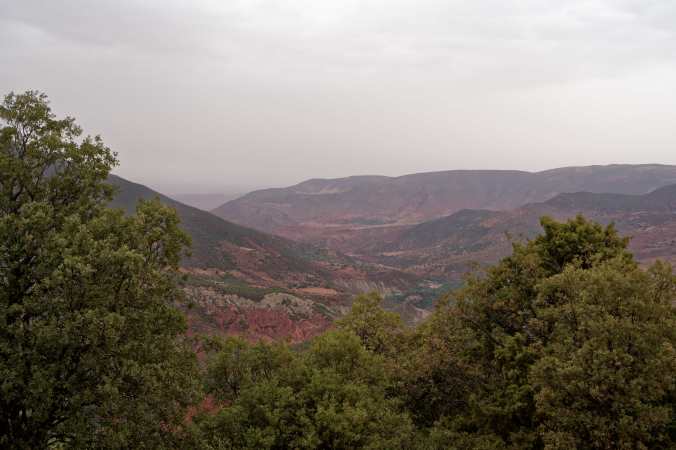
 He would have liked to spend several more days in them driving and hiking. They were unexpectedly beautiful, though my need, as our driver, to stay utterly focused on the guardrail-less sliver-thin mountain roads, led me to miss most of it. But the oohs and aahs, and the more evolutionarily advanced modes of expressed-appreciation which Gideon showered us with left the basis for his determination to return to the Atlas unmistakable. Unfortunately for him we had to move on, or, even if we didn’t absolutely have to, we did anyway.
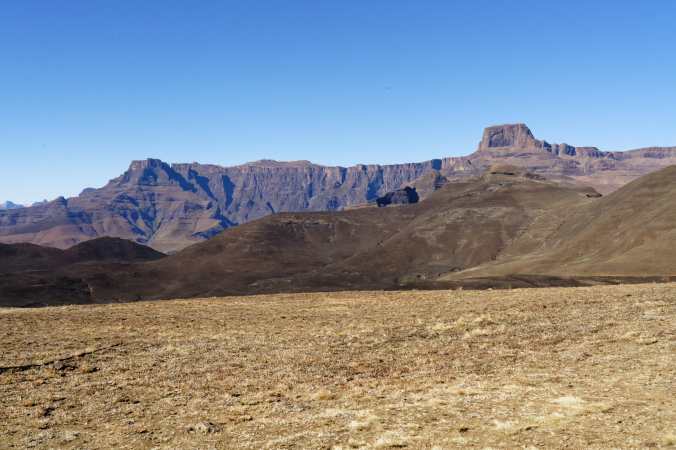
 The stunning and varied non-Namib landscapes, especially between Sesriem and Walvis Bay, which Sarah described moving through — having over the last few months experienced a range of unforgettable scenic road trips — as one of the best drives ever.
 The idiosyncratic hotels we stayed in in the desert, the first being an expensive contemporary castle (at least in wannabe form)
  and the second being an inexpensive “desert farm” with as beautiful a desert garden as you could want.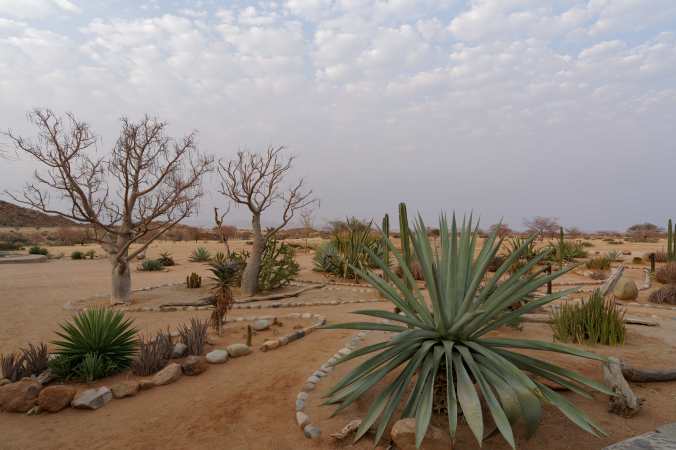
 The sunrises.
  The walk from the castle hotel just out there into the desert, with the sense that we could have gone on forever (or until we died of thirst).
  The totally (–>this is no hyperbole) unexpected excellent coffee shop and bakery in aptly named Solitude (it’s a few structures strong) — started fifteen years ago by a man who fled his broken life, started anew in this middle-of-nowhere, and, loving it, never left. The lovely small book store in Swakopmund, with books in three sections, one for German, one for Afrikaans (probably, the lingua franca of Namibia), and one for English, and containing an impressive multilingual section on Namibia with many books on the colonial period and the genocide. The good-naturedness and easy-goingness of all the people we met.
 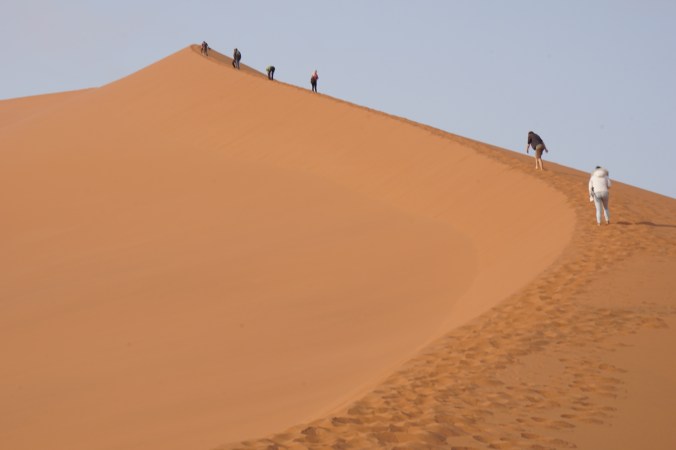 The personalized, memorable short week we spent there made Namibia (for the supertough raters) a nine and (for the simply experientially-tuned) a flat out ten.
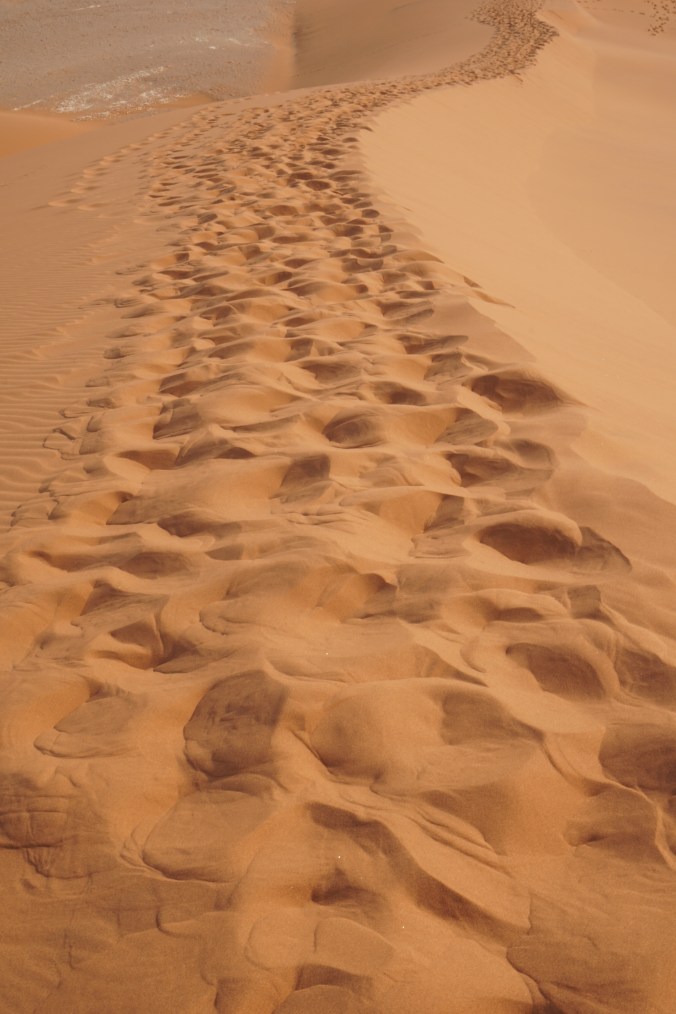
 We gazed upon them. We walked past and around them. We climbed them. We (Gideon and Sarah) stood astride them and surveyed the dominion. Gideon lay on them. He even, unsuccessfully, tried to roll down them, only to discover that they enveloped and captured his body as they had his imagination and soul.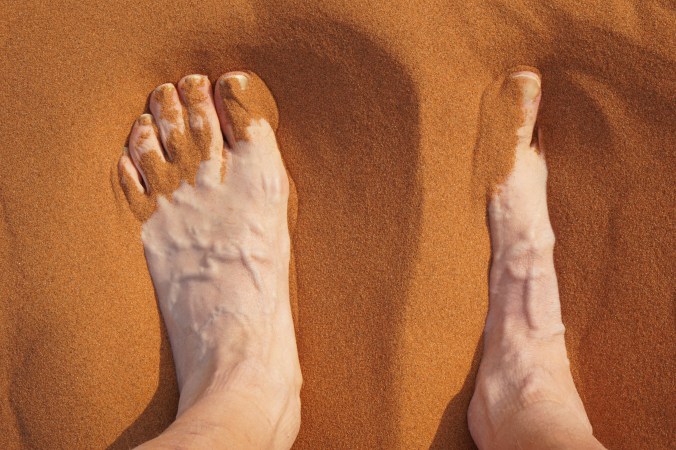

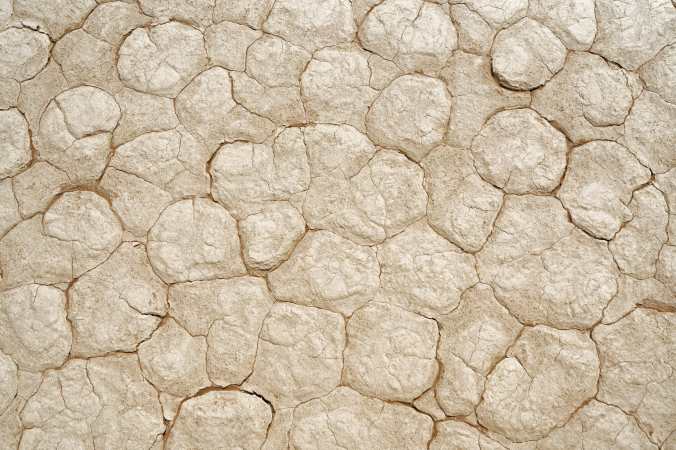
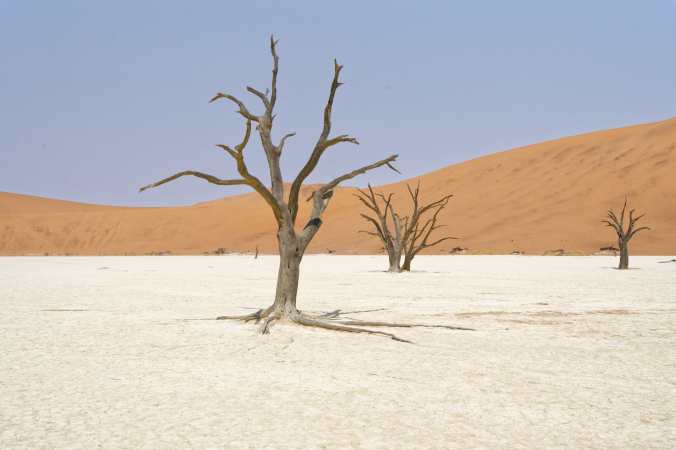
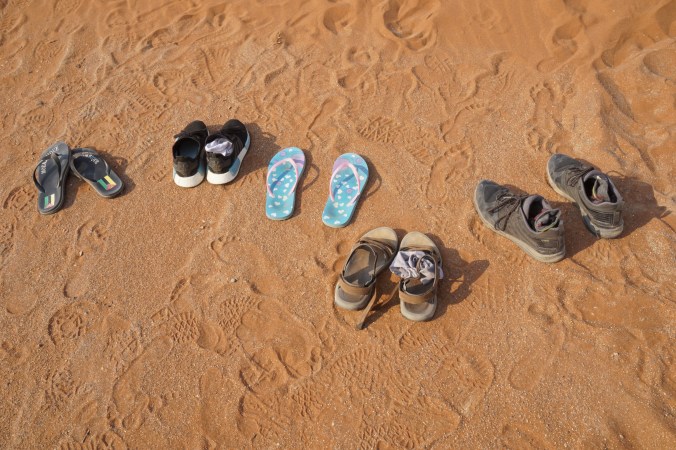 reassembling at our SUV, driving further into the dunescape, taking a four-wheel drive sand-ferry for four kilometers, and trekking afoot twenty minutes deeper up into the dunes, we came upon the nearly sacralized desert landscape, foremost among desert moments in the world, of Deadvlei — to wander among, behold, and contemplate, and, in Sarah’s and my case, talk about the dune-flanked and framed magnificent salt pan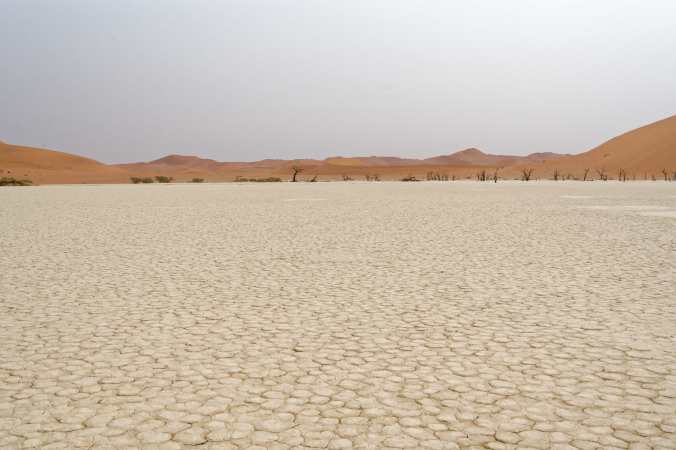
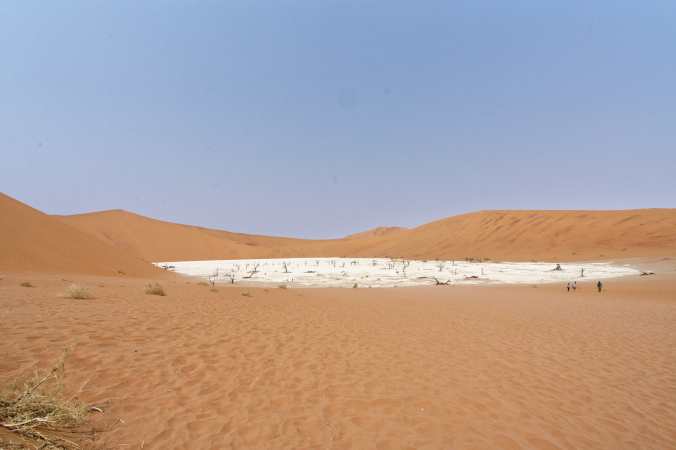 and anything, which was plenty, that the embodied mind of being there conjured up for the hour or so that we basked in this and our singularity, and in our commonality of sharing this place and our lives.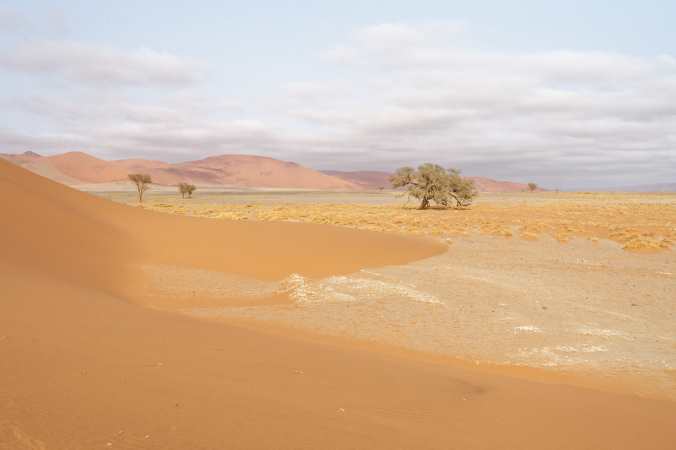

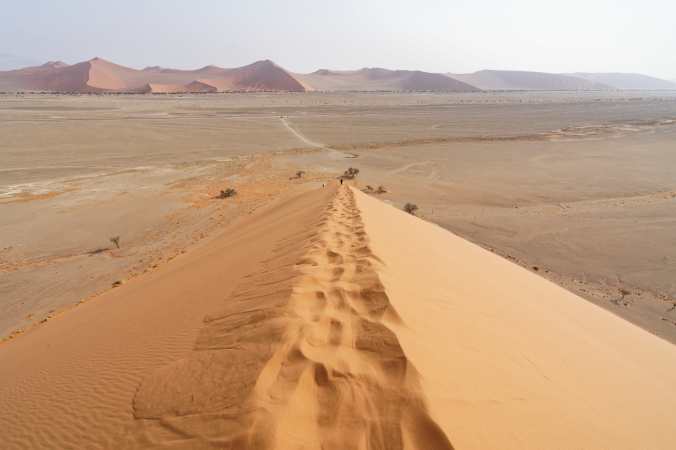






 Coordinating Goldhagens