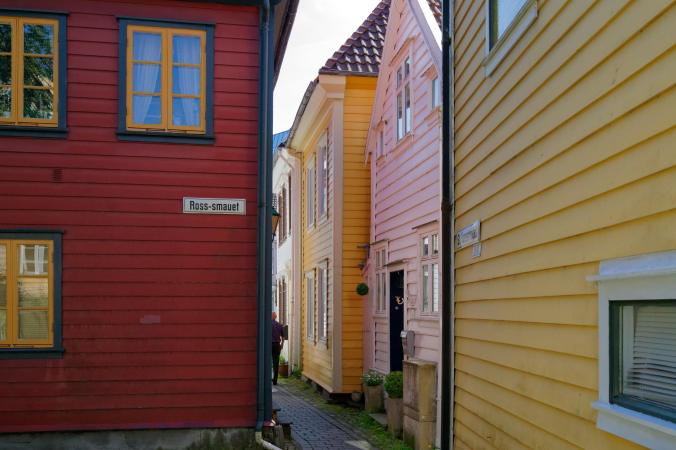
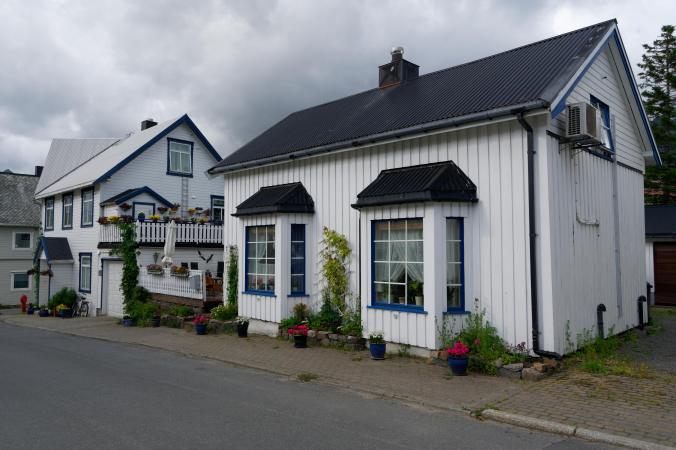
Swakopmund

Six months ago, I wouldn’t have been able to locate Namibia on an unmarked map, except to say that it’s in Africa. Danny and Gideon collaborated intensely on this part of the trip, so I decided to simply sit in the passenger seat and enjoy the view of the road, letting them decide upon places to skip and places to stop, and for how long.

The flight from Cape Town to Namibia’s capital, Windhoek, took us up and over some of the Atlantic coastline before circling back over land. No, dirt. Or dirt and sand. As we neared our destination, dozens of what looked like dirt paths appeared on the surface of this parched land, lines stretching miles from one location to another without any clear signs of why one would embark upon a journey where the road began, nor travel it, nor reach the equally vacant destination visible at its other end.

Those dirt paths turned out to be roads, and they constitute most of Nambia’s transportation infrastructure. DSC03249_DxOOnly one paved (in local argot, sealed) highway, admittedly with arterial branches, stretches from north to south; a second, west-east, connects the adjacent towns of Walvis Bay and Swakopmund on the Atlantic with Windhoek. This one runs through the most economically developed regions of the country. Mostly, mines: diamond mines, copper mines, tungsten mines, and two of the top-ten uranium mines in the world.
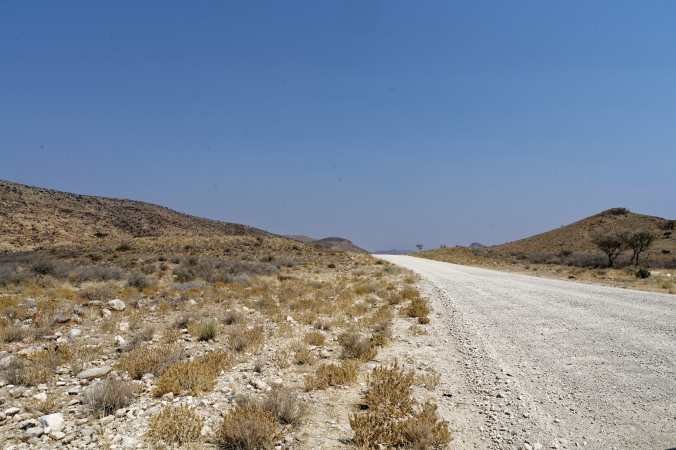
Hiss, Mom, Gideon advised as we passed it. That’s what they make nukes with.

The first time I’d heard the name Swakopmund was when we asked Jan, the proprietor of the Witsieshoek Lodge in South Africa’s Drakensburg, where he came from. He replied, uttering his hometown’s name with swagger – SWA KUP MUND—and from then on Danny, Gideon and I could utter the word no other way. As if this remote city – town, really—were in actuality the unspoken center of the earth. “It’s a strange place,” Jan continued. “Completely German. Like a little German city, set on the coast of the Atlantic in the emptiest part of Southern Africa.”

That sold me. We must go. We’d planned to anyway, because it self-advertises as the extreme adventure capital of Southern Africa, and Gideon was determined to hurl himself out of an airplane in tandem with some stranger to whom he would entrust his very life. (As it turned out, he never did. Too cloudy, too cold.) But my determination became relevant during our visit to Sossusvlei, when the possibility of skipping Swakopmund arose more than once. And not without reason. The driving distances in Namibia seem absolutely endless: desolate hours upon hours pass, and you begin to feel as though you absolutely absolutely MUST be approaching your destination, when a quick check of the road map or the GPS ETA reveals that you’re less than halfway there, and before you lies miles, endless miles, of scrub brush, heat, and emptiness.

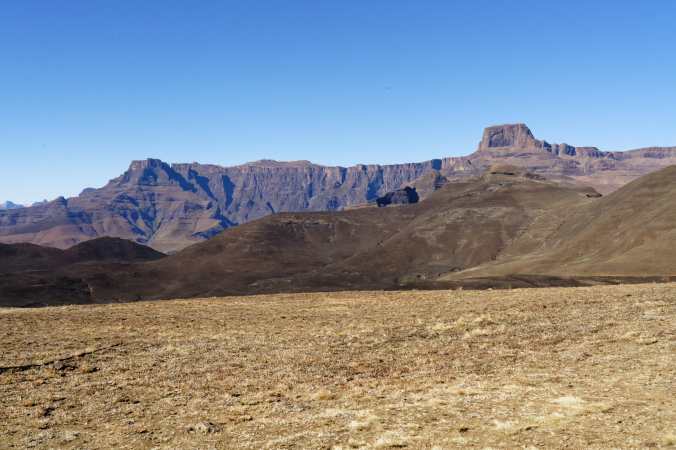
DSC03414_DxOThe wide, long, rattling journey from Sossusvlei to Swakopmund will surely always be one of most beautiful drives I have ever had the good fortune to enjoy. It’s not spectacular, like the drive from the San Francisco Bay Area up to Sea Ranch on the Pacific Coast, or the drive from Geneva to Lausanne. You really have to watch. I passed the hours gazing out onto these often flat, sometimes rolling expanses of land, parsing out how the sense of deep space came mostly from variations in color saturation, hue, and temperature, DSC03439_DxO_DxOand noticing subtle shifts in the layered bands of browns, grays, thin, struggling greens. DSC03256_DxO_DxO_DxOWhen the arid ground shifted from flat and sandy to inclined and rockier, my heart leapt, delighting in the textural variation.DSC03452_DxONothing, nothing, nothing. Until you realize that nothing is something. Burrow into these muted colors and thin layers, into this topography. This landscape settles inside you, then stays.

We’re going to that little German city, I kept thinking, perched on a remote coast of southwest Africa.

A little history here. Germany unified much later than many other European countries and, mainly landlocked, had no fleet. So by the 1880s, whereas England, France, and the Netherlands all had multiple, economically vibrant colonies begotten during the so-called Scramble for Africa, Germany, an aspirant to world power, was bereft.

Southern Africa had been almost completely carved up with the exception of the land that is now Namibia. This arid desert was unclaimed, except of course by the peoples who had always lived there, the Herero, Nama and San tribes, who lived in mutual enmity, competing over land and resources. Germany settled, and in the subsequent years, grabbed more, then more. The indigenous peoples had the audacity to believe that the land they and their ancestors had always inhabited was in fact theirs. Despite their enmity, they unified, forming an army to rebel against the German occupation. The German colonists’ response was swift, and brutal: by the end of 1905, somewhere between 24,000 and 100,000 Herero and Nama had been starved or slaughtered.

The end of the Swakopmund-bound drive comes suddenly. Civilization!

DSC03514_DxO_DxO_DxO.jpgPaved streets. A new shopping mall under construction, outside of town. Two-story concrete frame buildings – nearly everything is concrete frame, not steel– housing the warehouses and offices of various local companies.

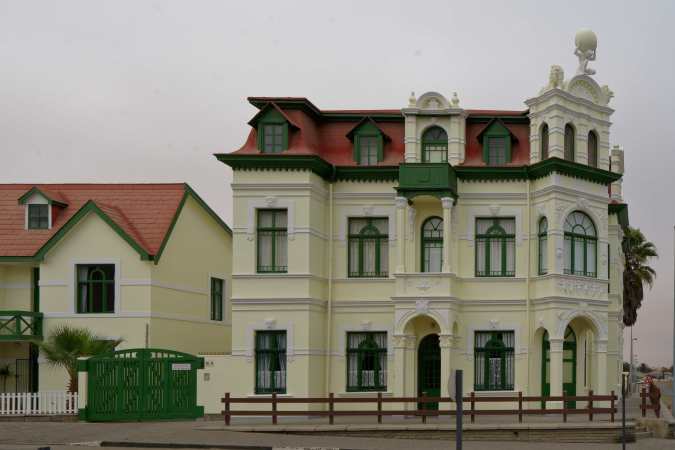
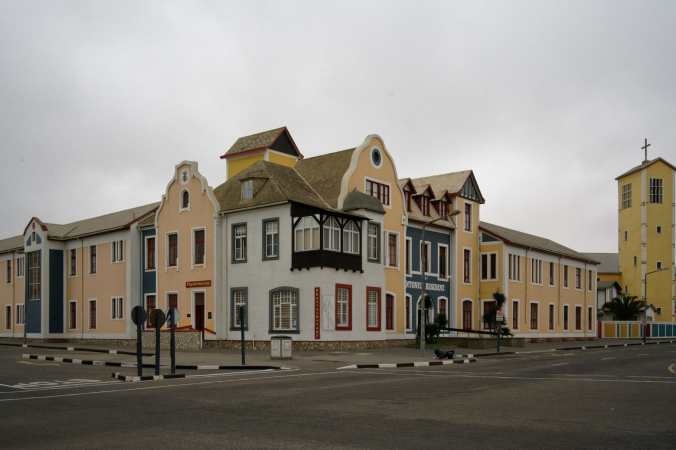
Then, suddenly again: Victorian buildings everywhere. Some sedate in their detailing, others florid.
DSC03515_DxO_DxO

Notice Atlas on the corner, holding up the world
DSC03486_DxO

Churches, commercial blocks, a post office.

DSC03517_DxO At the edge of the commercial area, near the shore, sits a little enclosed complex with an arcaded courtyard and a charming lookout tower; once, it housed a boarding school. DSC03498_DxO
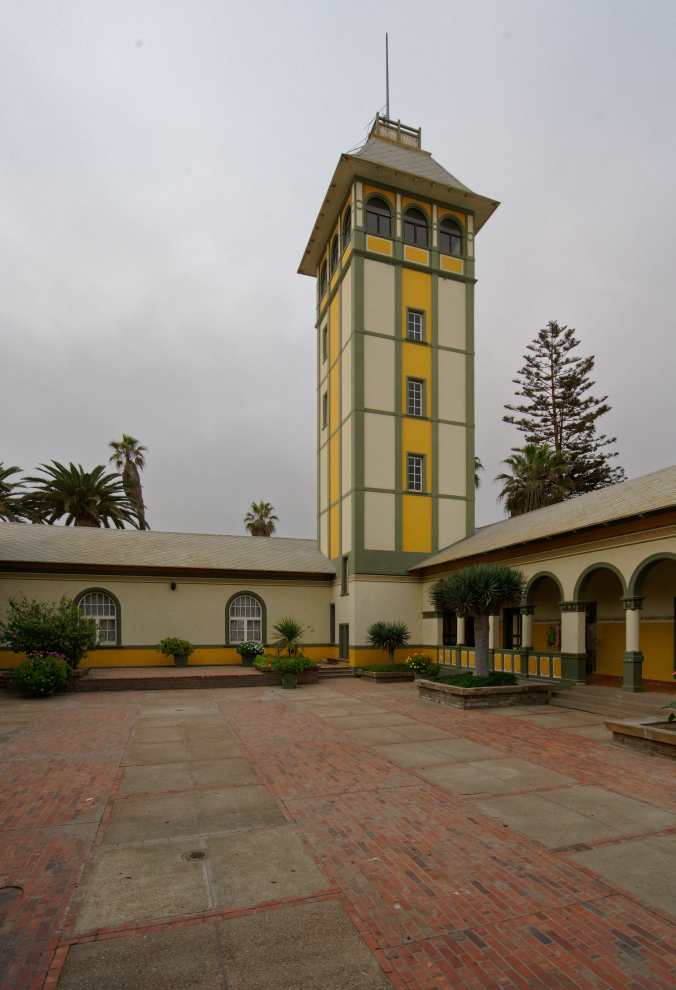
Tastefully restored arts and crafts detailing grace the pilaster capitals and string courses.

DSC03496_DxO

Most of the earliest buildings are proudly dated: 1904.

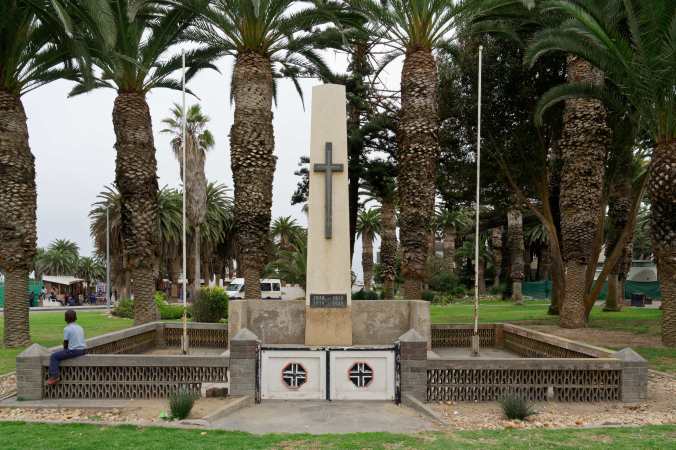
They slaughter the local population, then build, Danny said grimly. The genocide ended in 1905. Later that same day in the main public square, we ran across the gruesome statue Danny mentioned in the previous post, and then, nearby, an equally unsettling sight: this monument commemorating German soldiers who died in both World War I — AND World War II — surrounded by a small little fence. DSC03524_DxO_DxO.jpgTo locals, this place, like the graciously-planted, serpentine beachside pathways, was just another instance of tidy Swakopmund’s gracious provision of landscaping and street furniture.
DSC03475_DxO.jpg

Beachfront landscaping, with bike path at left


Shopping typically figures hardly at all into our traveling lexicon, but the merchants of Swakopmund have figured out that while its more adventurous visitors risk their lives on this or that perilous thrill, their more sober companions might well seek alternative forms of entertainment. We found a nice pedestrian shopping area, new, but in the Swakopmundian, quasi-Germanic mode. DSC03489_DxOIn it was an excellent new-and-antiquarian bookstore, filled with German-speaking latte-drinkers and German-language paperbacks. DSC03506_DxOWe poked around for a good half hour, turning up a battered Herero-German dictionary, published in 1904.
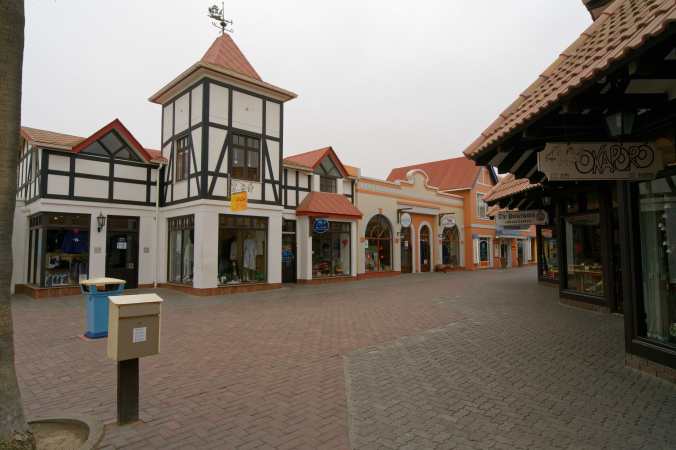
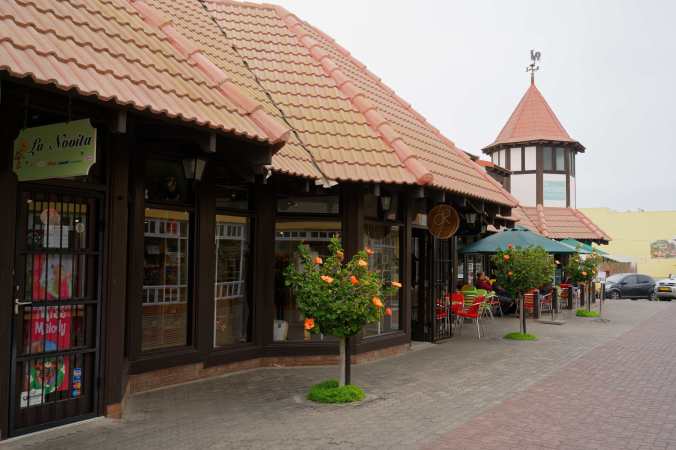
Must have been early in the year.

–Sarah

Sossusvlei’s Sand Dunes

Beauty in desolation.

DSC01043_DxO_DxO

That dot on the upper right is Sarah, descending from Dune 40

When you see a documentary on the Namib desert, it emphasizes how life flourishes even in the forbidding landscape of the oldest desert on earth, three hundred million years strong. When you are there and in the neighboring desert regions, you notice the sporadic desert shrubs and plants, and if you look closely enough a few bugs, but they appear as occasional notes within the operatic majesty of the withering landforms with their textures and colors themselves. I am well-aware of the current condition, technologically enabled, of being able to see beauty in what for millennia must have inspired fear and thoughts of enervation and death, which must have precluded feelings and thoughts of beauty, let alone of the sublime, a word which is not hyperbolic to convey what it is to stand before the dunes and behold.

Sossusvlei, as the region is called. We drove past dunes.

DSC03296_DxO_DxOWe gazed upon them. We walked past and around them. We climbed them. We (Gideon and Sarah) stood astride them and surveyed the dominion. Gideon lay on them. He even, unsuccessfully, tried to roll down them, only to discover that they enveloped and captured his body as they had his imagination and soul.
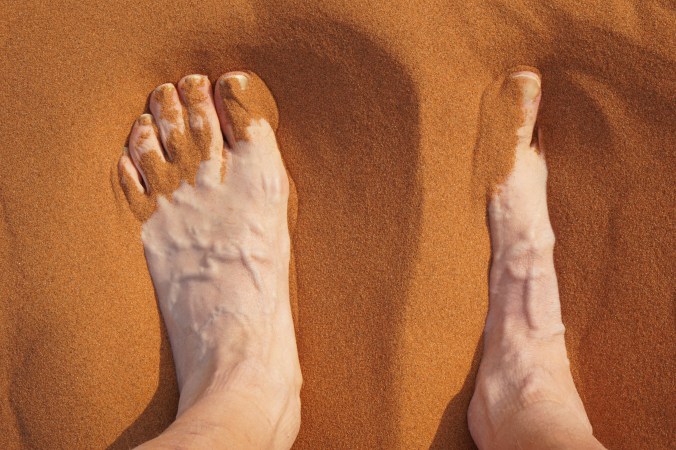
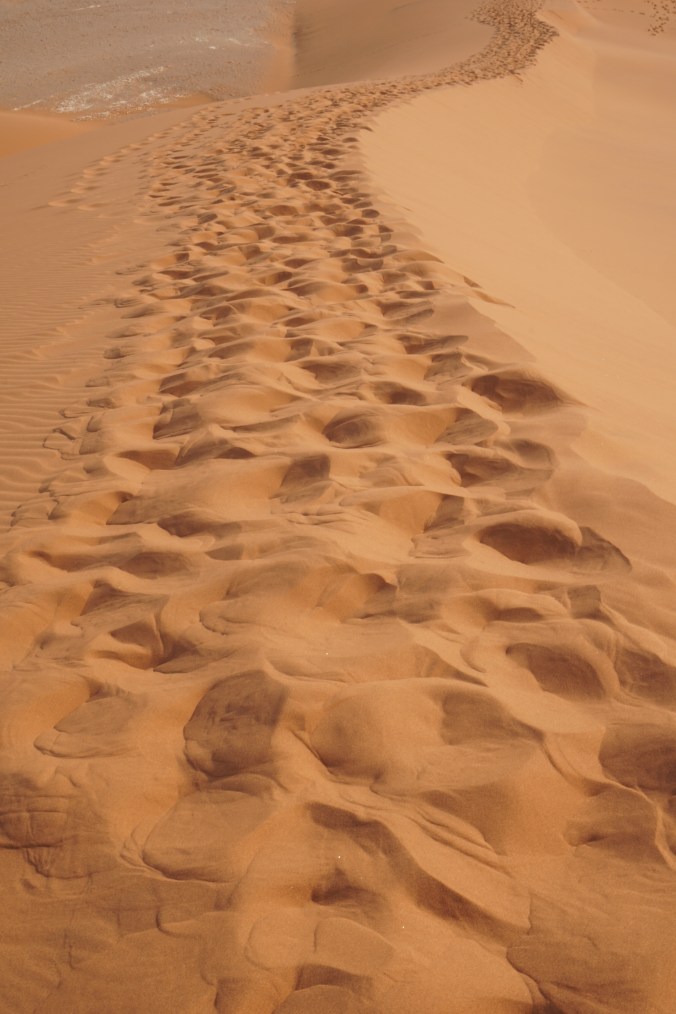
The dunes are massively high, some more than three-hundred meters. Their forms are beautiful, bordering on the perfect. Yet their color and texture occupy pride of place: The velvety burnt orange at any distance — far, medium, or close-up looking down at your bare feet while climbing.

DSC01026

The unimaginably fine grained, soft, and flowing look and feel to the sand with those same benuded feet and with cupped and finger-sifting hands. The multi-modal sensation that you are walking and sinking a cushiony bit with every step in a place like no other on earth.

Driving from Sesriem, the barely-a-settlement at the entrance to the massive Namib-Naukluft National Park (more than five times larger than Yellowstone), on the lone road through the dunescape, we marveled at the sand giants, pyramidical and conical, on both sides, stopping at Dune 40 for two hours of beholding, climbing, and contemplating, the three principal activities that compose experiencing this special landscape. I reached my vertiginous limit about a third of the way up to the first (high) crest.

DSC03314_DxO

The (vertigo-inducing) view from midway up Dune 40

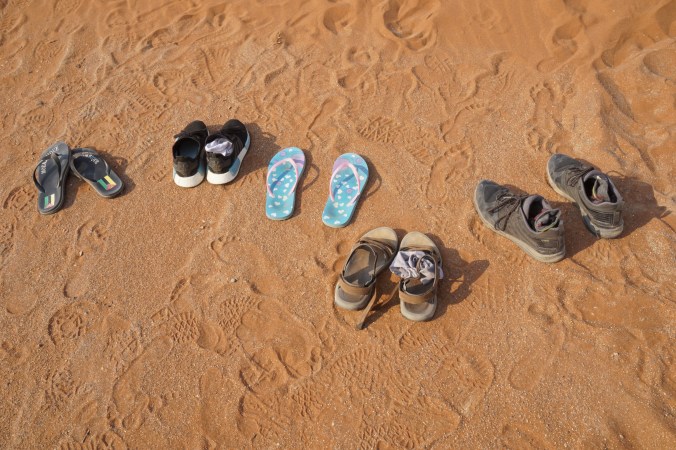
Sarah went on past the second crest. And Gideon, proud seventeen-year-old champ that he is, made it to the highest point, the fourth crest. After retrieving our footwear (left at the dune’s base, communing with the shoes and sandals and flipflops of a range of nationalities),

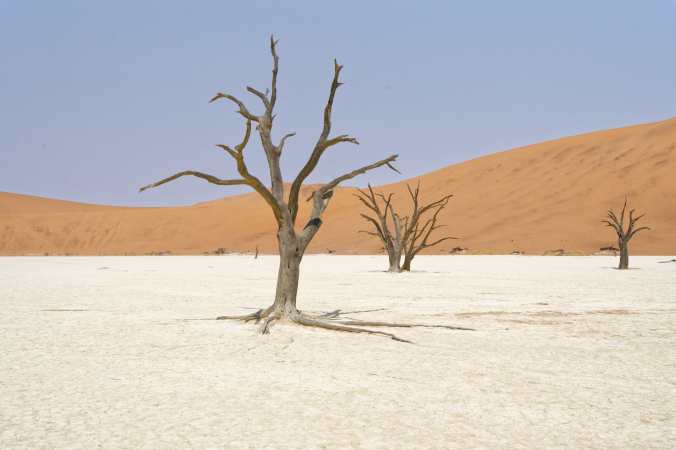
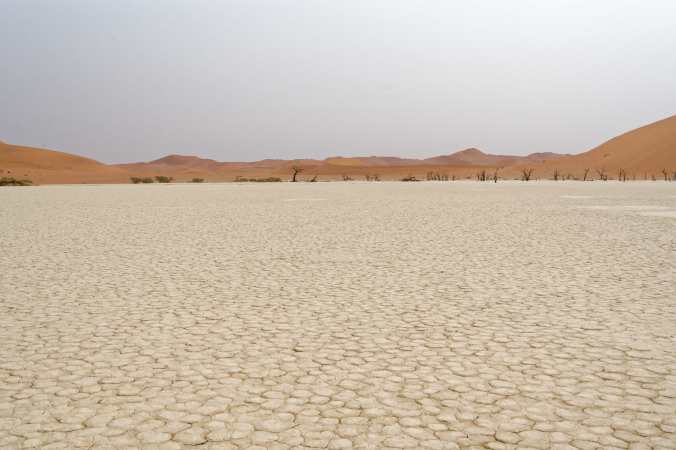
DSC01053reassembling at our SUV, driving further into the dunescape, taking a four-wheel drive sand-ferry for four kilometers, and trekking afoot twenty minutes deeper up into the dunes, we came upon the nearly sacralized desert landscape, foremost among desert moments in the world, of Deadvlei — to wander among, behold, and contemplate, and, in Sarah’s and my case, talk about the dune-flanked and framed magnificent salt pan
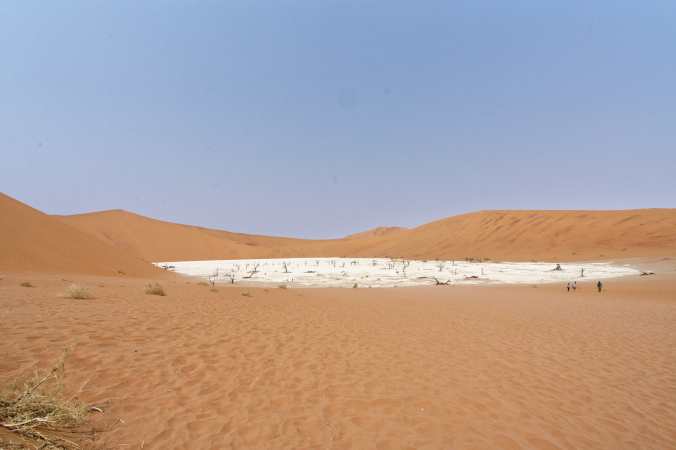
DSC03368_DxO

and poetically dead trees,

DSC03349_DxOand anything, which was plenty, that the embodied mind of being there conjured up for the hour or so that we basked in this and our singularity, and in our commonality of sharing this place and our lives.
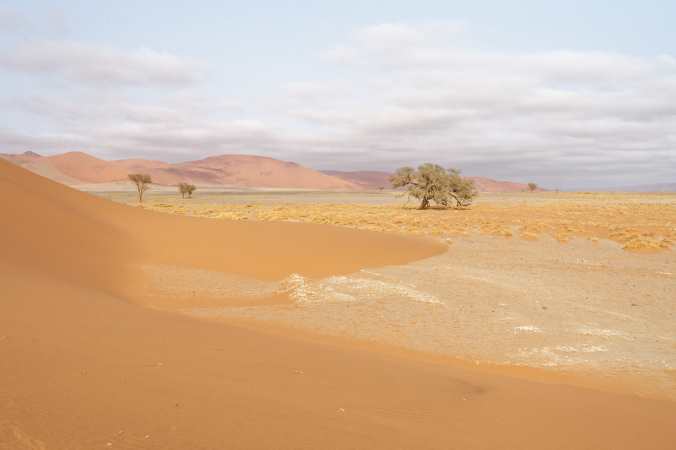
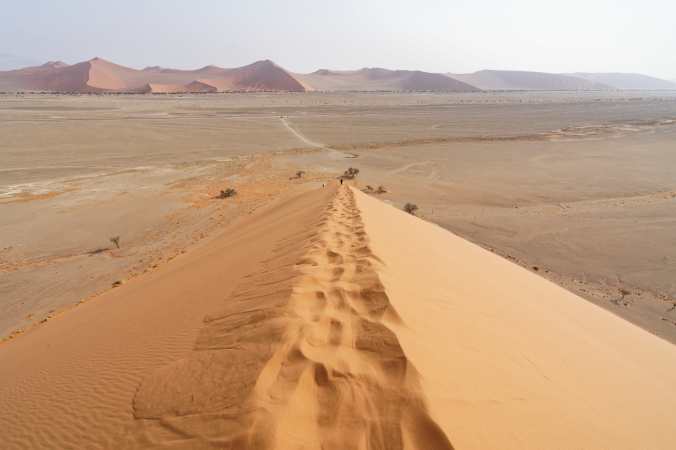
Gideon, as he has been doing ever more in his meditative orientation and personal journey, took and followed his own path, experiencing Deadvlei on his own, much of which by lying down on his back and, eyes closed, feeling the sun and the place unforgettably on and around him.

–Danny

We found out about Sossusvlei’s extraordinary landscapes from “Wildest Africa” , a reasonably decent TV documentary series. The photography sold us all, especially Gideon, and for months we walked around the house discussing whether or not to visit what we came to call the DOOOOOoooNES of the NAMIB, in always-risible attempts to imitate Colin Salmon’s deep baritone voice, which his talent agency accurately describes as EPIC and COMMANDING.

Epic and commanding. Check.

Sossusvlei and Deadvlei’s landscapes you will never, ever forget. When we got there, I realized that I’d assumed, without knowing I’d assumed it, that the cinematography in the Namib Desert segment had been doctored, colorized, because no place could actually look that way.

But it does. When we arrived, I struggled with vocabulary, seeking to excavate the names of the oil paint tubes I used to order routinely from Pearl Paint: Yellow ochre. Red ochre. Dark yellow ochre. Burnt Umber.

DSC03309_DxO

That red-orange sand! On your toes it felt like velvet or silk — not in the slightest like the granular irritant you eagerly wash off your feet after a day at the beach. So sensuous. I could have washed my face in it. (Gideon did.)

The emptiness; the burnt umbers and ochres and greens and browns; the scorching heat, the dessication beyond what you thought imaginable on earth; all these contribute to the feeling that you can only arrive here once; and having come, you can never leave, or rather, more accurately, this place will never leave you. The stark artistry of the forms makes of every moment, a painting,

DSC01006_DxO_DxO

though one of the surprising things was that those incised lines, up close, were not always so precisely linear at all,

DSC03317_DxO

DSC01028

especially after humans had got there. But still, the sand’s shifting patterns were mesmerizing. That the winds and sands could be counted upon to eventually restore order, to make patterns out of the chaos of human intervention, was deeply comforting.

DSC01025

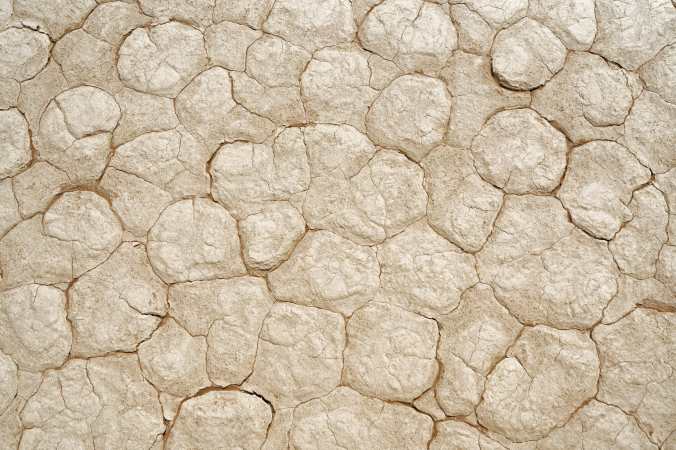
Indeed, patterns were everywhere.

DSC03369_DxO

Deadvlei’s salt pan surface

And in Deadvlei, the figure-ground relationships!

DSC03363_DxO_DxO

One could teach a whole seminar on vertical reach and horizon lines, or on fields of color and lines of figures, using only material from a single afternoon spent in this place.

DSC03364_DxO

Then again, you could just go, experience it, and be enriched.

— Sarah

Photo essay: Mountains and a Caldera

The other day, I alluded to the extraordinary, and extraordinarily different mountain ranges we’ve had the pleasure to behold and good fortune to climb. Some visuals:

DSC00389_DxO

Lofoten Islands, Norway

DSC02560_DxO

Sentinel and Amphitheater, Drakensburg National Park, South Africa

DSC03252_DxO.jpg

Namib-Naukluft National Park, Namibia

DSC01006_DxO

Sossusvlei, Namib-Naukluft National Park, Namibia

DSC03824_DxO

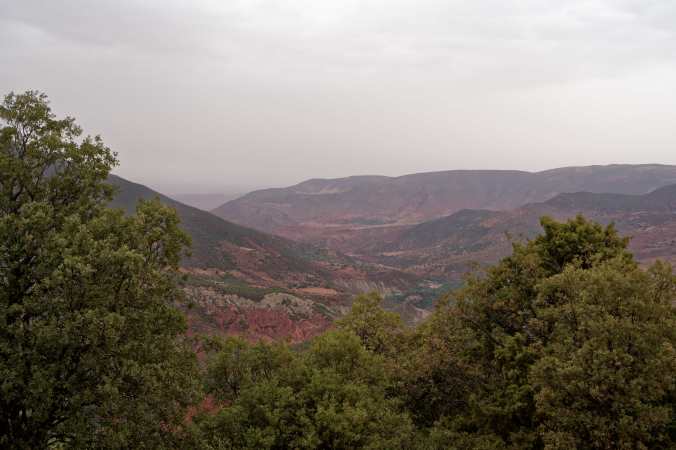
Middle Atlas Mountains, Morocco

DSC02378_DxO_DxO.jpg

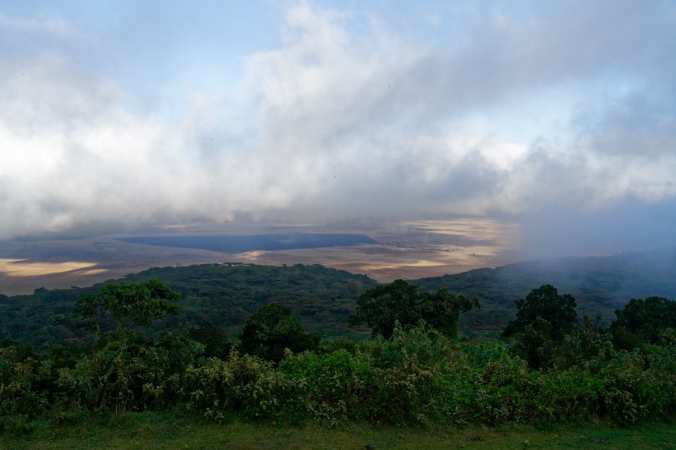
Ngorogoro Crater, Tanzania (sunrise on a cloudy day)

DSC01867_DxO.jpg

Ngorogoro Crater, Tanzania (late afternoon on a mostly clear day)

— Sarah


Wonderful People, Broken Parts

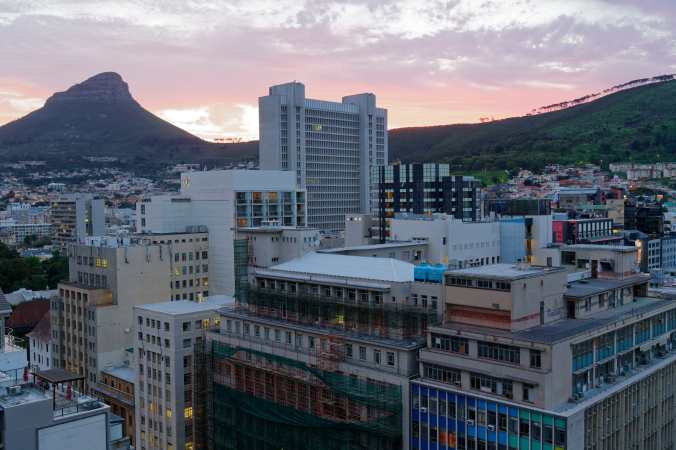
We spent close to two weeks in Cape Town, said to us ahead of time by two reliable friends, to be a European rather than an African city.

DSC03175_DxO.jpg

My regard for them notwithstanding, I had my doubts that such a baldfaced statement might withstand the test of our exacting social scientific eyes. Boy, or — not to commit a micro-aggression — girl, was I wrong.

DSC03129_DxO.jpg

The Cape Town of our visit was overwhelmingly first-world and WHITE, and that’s because Cape Town might be fairly described as a post-apartheid city. That’s not to say that Blacks and Coloreds – these are standard apartheid legacy ways of categorizing people among all South Africans – aren’t in evidence. They are – often as waiters or clerks serving almost exclusively Whites. The continuing residential and spatial and wealth segregation of whites and non-whites, a de facto without being de jure apartheid, is manifest in a thousand different ways, which makes it impossible for a person not to be conscious (if at times only in the background of the mind) all the time. Whatever else it is, Cape Town can be conceived of as a soft-apartheid city. Massive townships, some with hundreds of thousands of residents and scant infrastructure and services, ranging from awful to dehumanizing, emanate far outwards from the city’s central, White core, or are sequestered off from the posh, gated and barbed wired, White suburbs.

DSC03142_DxO

The Cape Town townships – and therefore statistically Cape Town – constitute the most dangerous city in Africa. Gangsterism is a frequently heard term to characterize the quality and quantity of danger and violence of many of the area’s townships. Public transportation is appalling, creating effective commuting times of hours for many township residents to travel to their jobs (those who have them) in the central city. Cape Town, for all its fine features mainly for Whites, is sickening.

I can see how a (White) person with means, if willing to overlook or become inured to the larger degrading context and the human suffering it produces, could live well in Cape Town. Table Mountain (overrated as a natural and urban wonder, but nonetheless fine enough), great weather, inviting urban pockets, excellent restaurant, and perhaps enough cultural vibrancy, dirt-cheap cost of living (including wages for domestics), stunning beaches nearby and garden and wine country within an hour or two – it all adds up to a cushy and commodious existence. But the spiritual corrosiveness is unavoidable, whether one hardens one’s heart (QED: corroded) or not (it would eat away at you).

To be sure, I do not have the answers to the many questions of what to do and how to bring it about in a country of such massive economic (see Gini Coefficient), social (crime and violence rampant), health (HIV off the charts) spatial (de facto apartheid, built environmental disaster for most Blacks), racial (a country structured by race, racism, and racialism), and political pathologies (the government is massively and hopelessly corrupt). And it is easy for us to spend our three plus weeks in South Africa developing all our just criticisms while we enjoy the natural wonders, marvel with and at some of the wonderful people we meet, and viscerally experience the ordinary horrors that are the commonplaces of this country, and then to leave on our merry way, bequeathing little more than a few withering blog entries in our trail. So, we – Sarah, Gideon, and I – talk, and talk, and talk, and who knows what it will yield.

Among the wonderful people we have met, we spent several days in Port Elizabeth with Kevin Kimwelle, a personally winning and professionally admirable architect and social activist, with whom we will surely keep in touch (and about whom we, probably Sarah, will write more).

20170828_142939

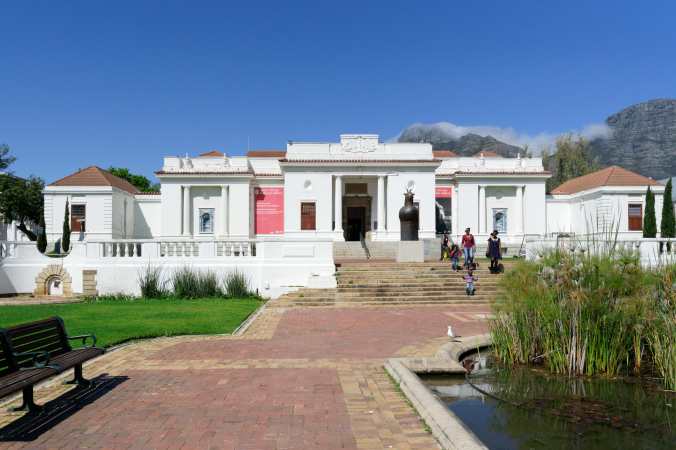
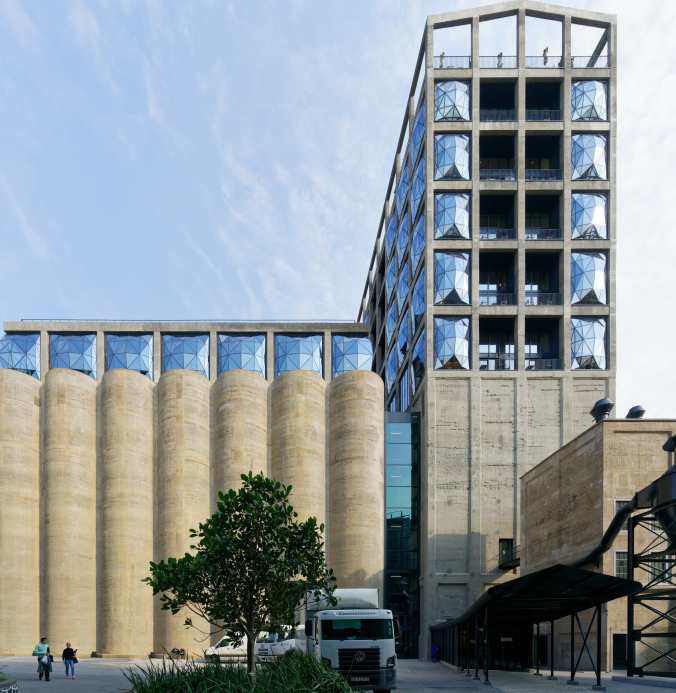
Mark Coetzee (see https://www.conceptualfinearts.com/cfa/2017/06/30/mark-coetzee-interview/), the director of the just-to-be-opened Zeitz Museum of Contemporary African Art, hugely impressive and thoughtful, spent a couple of hours with us, touring the museum and explaining to us the building process and choices – of mission, art, staff, and institution – in a society characterized and riven by all the features (and more, such as violent homophobia) I have mentioned.

DSC03222_DxO.jpg

We learned a great deal from Mark in a short time, and even received a fairly spirited critique of our, in his view, blinkered critique of South Africa – though it was unpersuasive as the defense mainly took the form of pointing to the inequalities and horrors of other countries (real or exaggerated). Lest I leave the wrong impression, Mark told us that he had been a long-time anti-apartheid activist who had to flee the country in the 1980s, that he decries the ongoing soft-apartheidism of South Africa, and that he works to privilege and give voice to African artists (mostly non-White), and to create as progressive an institution as possible. It may be more complicated than Mark’s self-representations (how would we know?), as he, a self-proclaimed Marxist, comfortably and successfully works at the highest and wealthiest echelons of the notoriously non-Marxist art world, which suggests that he may be caught in what the Marxists call a contradictory position, one of less than full self- or self-representational enlightenment. In any case, for us, Mark, memorable as he is, will just be a memory.

In the Drakensberg, we met, climbed with, and broke bread with a range of people, mainly Europeans, who gave further support to the well-established notion that people who appreciate nature enough to want to hike along or up it are generally nice people, or at least they bring their better selves on these adventures. Of particular note, aside from the always helpful and earnest South African staff of the lodge, were two Germans who were more or less permanently in Southern Africa to bring the word of their God to others. They were full of the well-meaning passion which I have encountered in Jehovah’s Witnesses, which they were. Miriam and Mike have devoted themselves to living by their humanistic (if godly inspired) principles, going door to door giving witness and spreading their enlightenment. Even though their understanding of godly issues is decidedly not mine, I like such non-self-righteous-righteousness, and admire those who espouse and practice such an orientation’s maxims. Salt of the earth was coined to describe such people. Their optimism and positive spirits are infectious. We shared a couple of lovely meals and a bunch of laughs with Miriam and Mike. Who knows if we will ever be in touch with them again. If we do, I will be happy.

There were, of course, all the many South Africans of whatever skin color (race) and station we encountered. All-in-all, nearly without exception (except for a few race-coding Whites), people were lovely and kind, with smiles all around (except from the flow of beggars). We talked to as many people as we could, mainly Blacks and Coloreds, with the passing questions and conversations that can come with such chance and fleeting encounters. Our impressions of those we encountered is that the people were well-educated and thoughtful, with much human capital and ambition, and therefore ready to take off if economic and professional opportunity were to come their way. From our end, all we had to do (we usually offered more) is mention New York, which has cache with everyone.

The densest and most significant contact we had with South Africans was orchestrated by Gideon, who in his by now typical manner, went about on his own, and met a group of Black (perhaps some designated as Colored) young men and women, who integrated him into their squad (he immediately was let into their group chat) and with whom he ran day after day and became friends, real genuine friends. They met over a rap song in McDonalds (Gideon was rapping along, the others, sitting nearby, laughed, and they all started talking), and the rest is history. They – Larnelle, Clyde, Llewyn, Judah, Henry, and Octavia – poor enough that on the last day we were there, they didn’t have enough money to come into Cape Town. Sarah and I suggested that Gideon offer to pay for their transportation and food, which he did. They accepted eagerly, saying in the seemingly ubiquitous youth vernacular we there, and had a wonderful day together. Though for Gideon, the time with the squad was mainly sweet — as he really liked them, they had great and memorable times together, and his friends showed him their Cape Town and their humanity – it was also bitter.

As Gideon was acutely aware, compared to them, he is a billionaire. While after a day with the squad, he returns to the perfectly nice apartment we rented, they have to somehow get back (or walk the streets at night—no joke) to their townships about which Octavia, upon saying goodbye to Gideon one day, said, now we go back to hell. And of course, all the fellow-feeling notwithstanding, Gideon and we resume our privileged trip-around-the-world and then our privileged life in New York, while they, his good friends, just because they were born with darker skin in this apartheid structured country, will try to overcome (with what success? and what will failure mean?) the seemingly multiple insurmountable hurdles which may auger a life of privation and suffering.

When it was time the last evening for Gideon to take his final leave, Larnelle and Clyde accompanied Gideon to our apartment building. I went down to the street to let Gideon in, and got to greet them. Big smiles, sweet faces, vigorous handshakes, words of thanks to me for letting them meet and spend time with such a great kid as Gideon. With equal enthusiasm and gratitude, I thanked and complimented them in turn for their kindness and generosity towards him, before the farewell hugs warmed and broke my heart, and more so Gideon’s. Gideon fears he may never see them again, though social media (Gideon has friends all over the word) will keep them in touch.

The whole situation, and especially the contexts of the lives of Gideon’s friends, breaks my heart. It breaks Sarah’s. Most of all it breaks Gideon’s.


— Danny

South Africa, the Ugly

One day in particular, on the drive from Drakensburg to Port Elizabeth, crystallized an early impression of South Africa that subsequent experiences have done little to shake. Clarens is a touristy town encircled by spreading luxury resorts on private game parks, with horseback riding and fine wines on offer. Hunting too, maybe. It’s located in South Africa’s Free State, which is where Dutch Afrikaaner settlers retreated after the British had muscled their way in, grabbing the reins of colonial power. The story of how Afrikaaners fled to the mostly (and still mostly) empty, arable Free State, settling there with their retinues of slaves, reminded me a bit of those contemporary, right-wing anarchists in America’s Pacific Northwest, inhabiting huts in the rural forest regions.

Lonely Planet, our ever-inadequate, spunk-filled guide, described Clarens as a funky, hip town. Art galleries, restaurants, boutiques; it was on our way south anyway, so we thought, why not? And initially, it sort of delivered.


Cappuccino plus above-average pastries nestled into a tastefully funky shopping complex, which also housed a “farm-fresh” restaurant with outdoor seating, a lifestyle boutique selling hand-mixed face creams and funky bamboo sunglasses, a gourmet cheese shop, counters arrayed with little custard cups offering with tastings. Nearby, historic, single (or at most double) story brick and stone buildings slung around a large central open area—in New England, this would be The Green. Surrounding it all were the dramatic, burnt umber and red ochre mountainscapes of the Golden Gate National Park.

Clarens occupied a pleasant enough hour or two. The “antique” shops and “art” galleries were, predictably, a joke. Nearly every face we saw was white, including the settlers gazing out from the historic photographs hanging in the foyer of the simple, ochre-brick 19th-century Protestant church. The locals spoke Afrikaans among themselves. In the boutique, two women effortlessly switched between it to English, graciously explaining local customs and answering questions regarding the origins of their goods.

Time to go. Piling back in the car, I nodded at the black construction workers repairing the sidewalk outside our café.

We were barely out of town when we spotted the slum. This one, worse than many we’d seen, but better than the disgraceful shantytowns in Johannesburg. The typical – horrifyingly typical — one-dark-room, dirt-floored tin shacks. Unpaved dirt pathways. (Cars are mainly unaffordable for underprivileged South Africans. Hitchhiking is common.) Electric lines, yes, though scant evidence of running water, and plenty outhouses indicating its scarcity.

Cheek by jowl. Clarens proper, which reminded me (without really resembling) my summer hometown in Woodstock, Vermont, and this destitute, garbage-strewn slum.

That’s where those construction workers, to whom I’d politely nodded, probably lived.

The racism, the grotesque inequality. Inescapable.

A Lineup of Greats

On August 5, we all rose early, packed up the overnight strays, said goodbye to the apartment we so enjoyed as part of our successful stay in Amsterdam, and headed in our rental car to Schiphol, where we dropped Veronica off for her return to New York. We were delighted that Veronica found Amsterdam interesting and to her liking, its small scale, walkability, and undeniable charm making it, among other things, manageable for Veronica, who does not thrive on overstimulation. This week with us was… a week with us on our extended tour, and also a vacation for her from summertime work in New York. Fortunately, being separated by an ocean is not nearly as distant as it was even a decade ago. We are in daily text, email, and voice contact with Veronica – on a par with how much we are when we are all in New York, so whatever cliché or piece of wisdom used to be able to be trotted out about the effects of distance on relationships, they are radically undermined by the digital revolution.

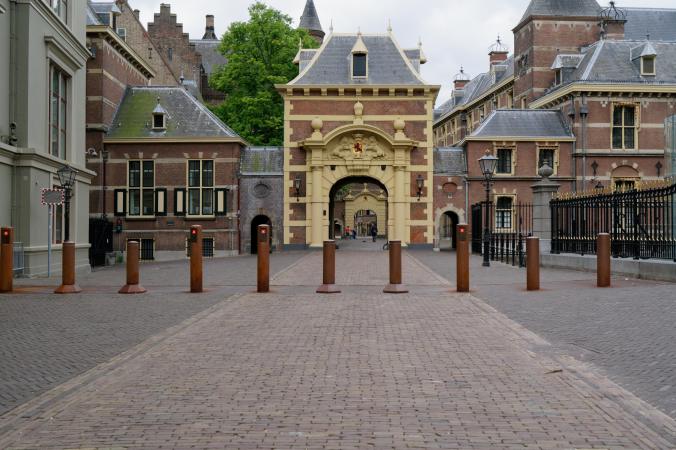
We continued from Schiphol to The Hague to see the center of the city

DSC01328_DxO

and two museums, the Maurits House, containing in its sumptuous galleries great Rembrandts,

DSC01329_DxO

and Vermeers,

DSC01338_DxO

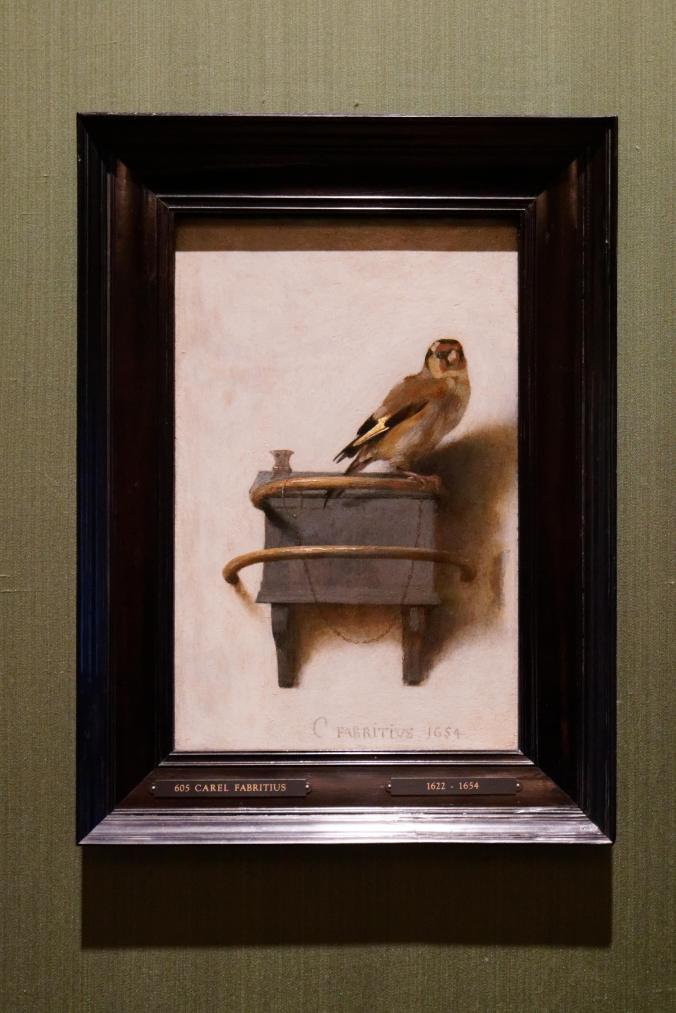
and, of particular literary importance though visual disappointment to Gideon, The Goldfinch;

DSC01336_DxO

and the Gemeentemuseum, a stunning (in my experience) singular building designed by Hendrik Berlage in the early 1930s, which houses the world’s largest collection of Mondrians to architecture and art’s mutual enhancement. The museum, which I (perhaps understandably) had remembered as being a Mondrian museum (it’s not), offered us the largest display of his works and treatment of his life and influences it has ever put on. It’s the largest because it’s everything the museum has, its “entire 300-strong collection.” Mondrian’s signature style is, of course, on display, as are his earlier abstract pieces of more color and non-rightangled-linearity, many of which are as captivating and artistically (though not art-historically) worthy as all his boogie-woogies and their sparer ilk. Most interesting for Sarah and me was the clear progression that can be discerned – it’s pretty obvious – on how Piet Mondrian became Mondrian or, put differently, how he, through experimentation and evolution, developed his mature style. This developmental theme, as with so much of the visual and constructive arts, I clued into thanks to Sarah, who investigated it as a central problematic in her great book Louis Kahn’s Situated Modernism. (Modest Sarah might like to stop me from writing the plain truth about this GREAT book, but as we have, easily and naturally, agreed that each of us should have a free – always respectful – hand in our respective entries, I incontestably respectfully will insist on having my say.) Creativity is an endlessly fascinating theme. That is recognized. The development of creativity, a creative dimension in its own right, is of equal interest even though it appears to be a tertiary theme. This is one of those more later moments.

The Hague was a nice on-the-road-to-Ghent follow-up to Amsterdam,

DSC01310_DxO

both in providing a quick comparative insight into Dutch urbanism and some critical leverage on what we had come to so relish about Amsterdam, and in its Flemish art and architecture, in which graceful old is repeatedly complemented by well-designed new, as we witnessed again with the underground contemporary entrance to the otherwise undisturbed original villa of the Maurits House museum. On the way out of The Hague, we stopped in its outskirts at a dedicated gluten-free bakery, owing its situatedness to a Welsh baker with Celiac having married a Dutchman. We recommend the Welshstone Bakery as one of the two best such bakeries (By the Way in New York is the other) we have yet found.
Amsterdam for espresso, The Hague for gluten-free bread and pastries. What delicacies are next?

— Danny, a few days ago in Ghent, 10 August 2017

The More Subtle Great Adventure

We are sitting in our amazingly overstuffed though comfortable Airbnb rental at 7:19 in the late afternoon of an overcast Oslo day, listening to what Gideon would call a criminally underrated album, Neil Young’s Sleep With Angels. Sarah, two feet to my right in the sitting area’s easy chair, edits photos, a nearly daily activity, about which she has had more to say and will say yet more than I could ever offer, so I’ll move on to Gideon, who listens to the music, unlike Sarah and me, with devoted concentration as he lays on the couch six feet across from Sarah. We are spending a quiet evening (depending on how you conceive of it all) working or recreating in our respective momentary ways, in tight proximity to one another, with our activities punctuated by questions, verbal offerings, banter, repartee, and a fair amount of laughter. I just laughed heartily as I thought about what I might write next. Gideon turned my way, raised his head and said what? I replied I’ll let you know after I write it. Gideon chuckled, a broad smile lighting up his face, with the words that sounds ominous gracing his lips right before they graced Sarah’s and my ears.

I was recalling the jocular riffs which Gideon and I exchanged on and off again during the day, a two-heads-is-better-than-one activity which was set in motion when we began discussing how strange our host’s (to us) unfamiliar Norwegian name sounded to our ears, and what a burden such a name would be to an American child, should his parents in ignorance or cultural defiance confer it upon him. Among the many (we think, Sarah less so) witty and silly things we considered and said was coming up with a roster of the worst (invented) names. Some were euphonious violations, others onomatopoetical virtuosos, some were unprintable – and so to honor the latter, I will refrain from mentioning any. Sarah is probably right about the value of our product, or half right, which in such matters is right enough.

DSC01090_DxOWe had a fine day and previous evening in Oslo, mostly walking and taking in its distinctive urbanity and its fabric, mainly known as buildings.
DSC01057_DxO

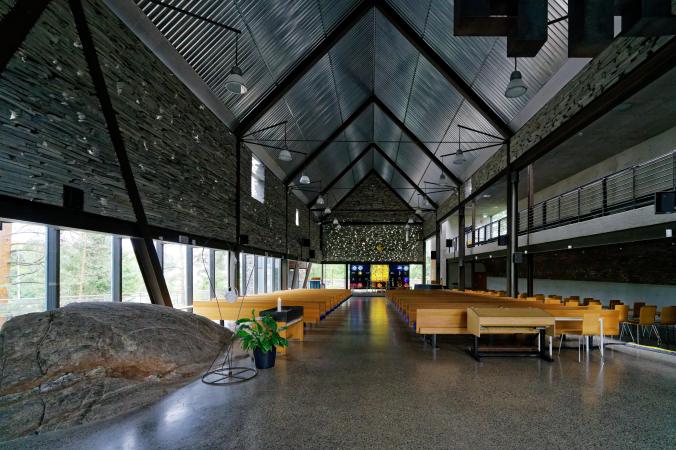
At 7:30 this morning, Sarah and I (Gideon chose to sleep in) also drove to the outlying part of Oslo called Mortensrud to see an intelligent, intriguing, and, without being beautiful or uplifting, inspiring contemporary church by Jensen & Skodvin. DSC01001_DxOIn the early afternoon, just as it was beginning to rain, we visited and marveled at Snohetta’s renowned Opera House.
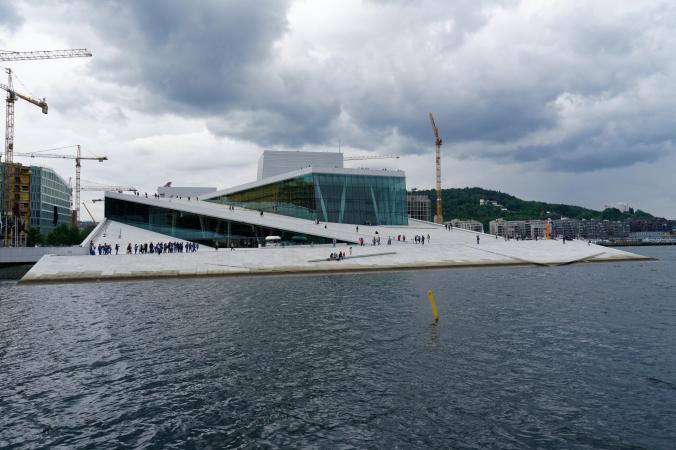
DSC01077_DxO

All this notwithstanding and all the captivating photos Sarah offers you notwithstanding, and all the descriptions and impressions and analyses we also record here for you notwithstanding, for us so much of this already great adventure we spend together in the interstitial moments which are really hours, we do so in a more subtle great adventure sitting near one another, picking up our heads, and sharing a serious theme which one of us raises, or finding humor (profound or silly) in some aspect, large or small, of the human condition, a condition about which our senses have become notably heightened since embarking on this journey, and which I joyfully expect will remain so for the coming year.

–Danny, 28 July 2017


On Photography (again)

Since I am both the designated and self-designated photographer of this lengthy adventure, I have, over the past few months, devoted a good deal of energy learning about the possibilities of, and the skills necessary for photographing in a now-dominated-by-digital world. My last camera, a sturdy single-lens reflex Canon E05, was stolen last year. Humiliated by my inadvertent agency in its disappearance (I’d carefully packed it in my handy durable neon orange suitcase; the airline baggage carriers in Bilbao “lost” the bag), I’d not yet purchased a replacement.

We started with a pilgrimage to B&H Photo on 34th and 9th. Danny had never been, and found amusement in its cornucopia of imaging gadgets, from film projectors to televisions to drones on which to load a camera so you can shoot aerial images with a remote; most stations are tended to by kindly, immensely knowledgeable Orthodox Jews. We decided upon the head-spinningly smart new mirrorless Sony (mirrorless means less weight, a good thing when on the road), which captures “full-frame” images as data-dense as anyone, professional or amateur, could possibly need. In one image, tiniest details in dark dark shadows appear alongside bright white sunny skies – a big boon when shooting architecture, and life. The improbably-named Christopher, our lens salesperson, also introduced me to an image processing program (not Photoshop) which corrects for perspectival distortion, along with offering a raft of other possible, more radical edits – turn that red room green! Transform daylight into night! – in which I have no interest, and for which I have no need.

Along with learning, thinking. Thinking, thinking, wondering what a photograph is for. About the divergence of its meanings for its viewers and its maker. About its distortions, lies, and omissions (which I’ve written about, most recently in Welcome to Your World). And thinking also through that long-settled debate, namely, can a photograph rise to the level of fine art? Or should we ghettoize even artsy photographs (Gernd and Hilla Becher, for example) as little more than prettied-up documentation? Most would consider these questions anachronistic, but they remain salient for me for two reasons: because of how I choose my subjects, and because my beloved Danny believes that photographs, even staged ones such as those by Cindy Sherman or Gregory Crewdson, rarely rise to the level of art.

Photography has been woven into my life since high school, even more so since college, because the subjects of my writing demand as much. Can’t mean without them. Yet you must always write as though the photograph wouldn’t exist, because a writer exacts little to no control over what images will or won’t get published. (Begging helps a little. Money helps a little more.)

Like anyone carrying a camera, I leave countless moments and images behind. In my case, many of these foregone possibilities are ones that any good travel photographer would snap, often for documentary purposes. Here’s what the Brygge in Bergen looks like. The Queen Mary II, docked beside it. Danny here! Gideon there!

No. Take the seagull that figured in my first Lofoten Islands entry: I considered shooting it, but then demurred, thinking that photographs so distort scale that my picture would likely fail to illustrate my observation about the immense size of Nordic gulls in comparison with East Coast ones.

Usually I am trying to get people out of my pictures. In Norway even more so. Why? These mountains and fjords and waterfalls loom over us, and over time; they’ve remained steadfast through centuries. People? They come, then they go.

DSC00399_DxO

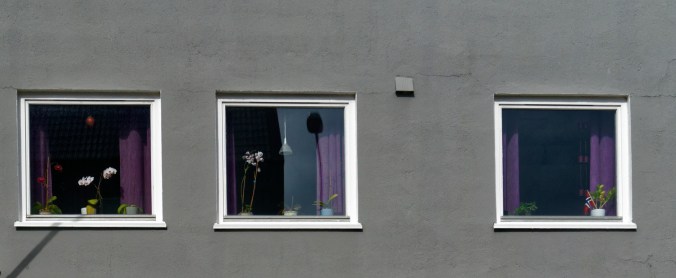
Life lived behind a viewfinder becomes a life slowed down. I’m often imagining frames around moments, constantly on the hunt for the right composition. (That’s the only way that the otherwise-too-violent nomenclature of “shooting” a picture makes sense.) What, then, constitutes my right composition? For now: the horizon line must must must be perpendicular to the vertical edge of the frame. Repetitive patterns of one type (wood slats) abutting patterns of another type (rock slabs) are ever-alluring. Colors: white orchids and purple curtains in tiny gray windows;


DSC00334_DxO

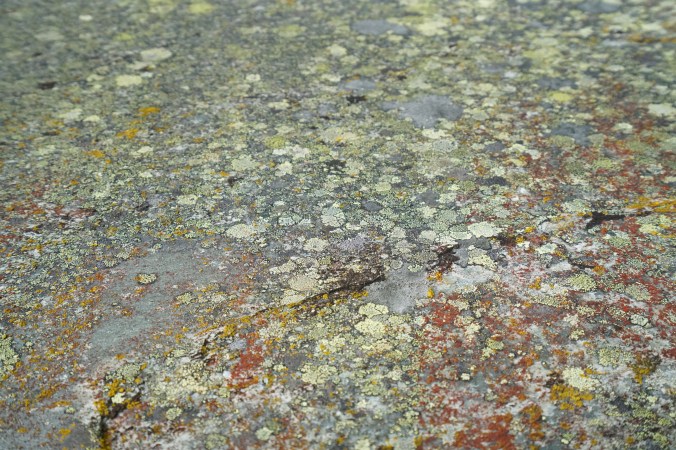
black, rust, and thin green lichen on rocks;

DSC00613

deeply saturated ochre, barn-red, and pink paint on buildings;

DSC00536_DxOclouds and sky at different times of day. In landscapes, I’ve been gravitating toward imbalanced compositions – one side in deep shadow, the other suffused with rosy hues. DSC00464_DxO-1 - Copy - Copy
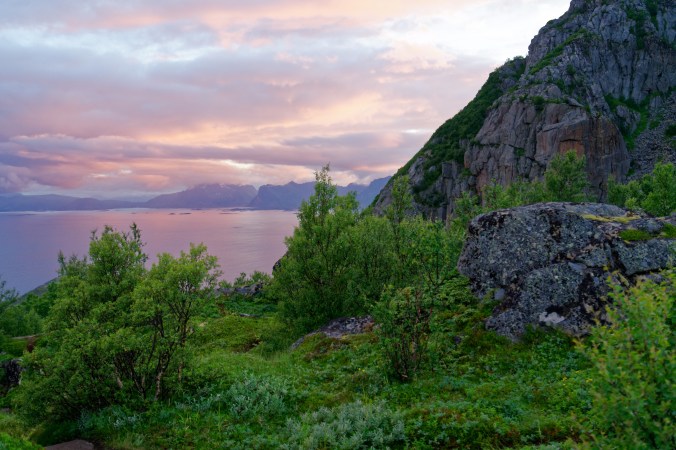
Photographing buildings, my predilection for symmetry surprises me, but it’s not always possible.

DSC00469_DxO

And always, I wait for the late afternoons, with their strong, warm light, full of contrasts and ethereal promise.

In taking a photograph, I often wonder, am I creating a memory or preserving it? Both, I suppose. And if the former, then what kind of memory? Maybe even false memories. I’m entertaining the possibility of basking in the ignorance of presuming that Joẑef Plečnik built a nice little cinema in Bergen, rather than doing the right thing (research) to actually find out.

DSC00499_DxO

In the spring of 1991 in Dhaka, Bangladesh, I stood on the banks of the Brahmaputra River regarding the hand-hewn wooden boats, the late afternoon sun glinting off rippled water, the men in their lungis hauling nets of fish onto the docks, and I thought: this is beautiful, and real. I reached for the camera hanging around my neck, looked into the viewfinder, and realized that the picture I was about to shoot couldn’t possibly capture the experience of standing there. For one reason if not for many: stench. Accompanying the visual enticements was the stench of dead fish, the stench feces — human, animal, whatever; the stench of rotting organic manner washed up on the riverbanks. What this picture will show, I mused, is visual beauty; what it will hide is noxious acridity.

Shot anyway. It’s a picture I treasure.

— Sarah, 25 July 2017

The Ambivalence of Writing, and of Chasing the Midnight Sun

Traveling inspires, at least in me, writing. I’ve been putting fingers to the keyboard (a contemporary substitute for the almost archaic, if graceful, pen-to-paper) regularly. Making mnemonic notes for extensive expansion to come, composing paragraphs of observations and of the somewhat more exalted things called reflections and thoughts. Yet little of it has seen the light of the blog, as I have dual progeny in the ongoing process of being born, which have nonetheless become my instantaneous and at least partly conflicting masters. DSC00408_DxOSarah and I set out on our adventure with the purpose of writing books, one by her and one by me, very different in character, each possible only through this long journey. More on them in a moment. We also set out committed to the writerly experiment of this let-the-spirit-move-us collaborative blog, which includes Gideon, who, I hope, will make his entry here soon and thereafter frequently. For Sarah and for me (about Gideon, who also has other writing projects, I’m not sure), the question of what goes where is live, and, at least for me, has not been resolved clearly. DSC00407Roughly speaking, my schema is to offer you accounts and observations about the world out there which we encounter on our carefully chosen itinerary of barely scratching the world’s surface, even with a year of scratching at our disposal. The inner workings and inter-workings of the three of us – what it is like to travel with two loved ones for a year, and how the many and ongoing encounters with one another and with the offerings and demands of the world we will wend our way through affect and change us as individuals and in our relationships as parents and child, as married people, as individuals positioned differently in the ever-changing arrays of living – these things about us are the stuff and soul of the book. The rub might be obvious: the line, actually lines demarcating what’s out there from what’s in here (the family circle and each of our minds and hearts) is hard to draw, especially as the inside is implicated in the outside, most essentially because both constitute and are filtered through experience, thought, and language. (Taking and posting photos – Sarah’s and Gideon’s domains – are more clear cut.) So, deciding what’s in and out of the blog, because what constitutes the in(side) and the out(side) of the respective worlds we are living and seeking to understand is often indeterminate, is an ongoing and inherently messy and probably shifting process which I am negotiating with that very tough and a bit ambivalent negotiator, myself. As to the other negotiator involved here, I think less beset by this manner of thinking, I’ll leave it to her to engage her blog/book issues herself.

DSC00412_DxOLofoton, above the Arctic Circle in midnight summertime sun Norway, was a spectacular place to begin our journey. The breath-taking and -giving monumental landscapes, which can be imaginatively discerned well enough through the miniaturized photos (which I expect Sarah will happily insert), as a undulating symphony of approachable mountains and hills, and lakes and fjords. We drove for hours through it at nearly every hour of the 24-hour day, including 1 in the morning, 5 in the morning, 9 in the evening, 11 in the evening and the more conventional sightseeing times in-between. Riveted and scanning, still and pointing, quiet and in full conversation (see shadows above), we drove, we walked, we looked, we breathed, we experienced Lofoton. For two days our ordinary rhythms of sleeping and waking, eating and… we cast asunder. We walked (see Gideon, double above), we hiked (straight up a small mountain nearing midnight), we drank coffee outdoors in the just warm enough weather, as we lived according to our own time- and activity-wants. We valiantly twice tried to see the sun at solar midnight descend, bounce, and rise slightly above the horizon, and failed for differently reasons. The attempts felt (in our exaggerating subjectivity) near-heroic, so we, the reasonable agents we are, felt disappointed yet satisfied that we had done our best. And so, we have yet another reason to return to Lofoton, to find and follow the midnight sun.

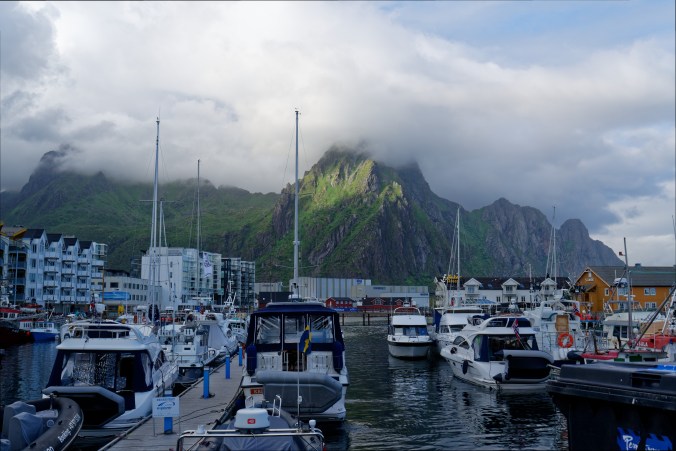
DSC00399_DxO

–Danny, 19 July 2017

Svolvaer, Lofoten, II

The seagulls here are enormous. One across from me stares with expectant eyes, as if this open-faced shrimp sandwich before me were meant for him and him alone– if only I understood.

DSC00397_DxO

Lofoten is a chain of islands comprised of seven or eight “main” ones (depends upon the website) surrounded by thousands of others erupting from the Norwegian Sea, most of them unoccupied but all carefully staked out, and mapped: some the size of a neighborhood playground, others long sinewy strings of beachside or rocky settlements with small, tidy homes, their vertical siding painted in deeply saturated umber or a dark, grayish red. Abutting many of these homes are grass-covered huts– for drying the cod? Storing the car?

Svolvaer view - Copy - CopyEvidence of human settlement stretches back 11,000 years. Since 800 CE men (that’s right, men; I know because of a photograph of Sunday worship in Lofoten Cathedral, ca. 1895) have migrated here in the winter and early spring, following the cod, who come to the area to spawn. One of the early Norse sagas tells of one Viking who sailed to England after a fishing expedition, and traded reams of dried fish for other essential goods. Whole, split dried fish hangs everywhere, even in the local equivalent of a 7/11.
DSC00466_DxO - Copy - Copy

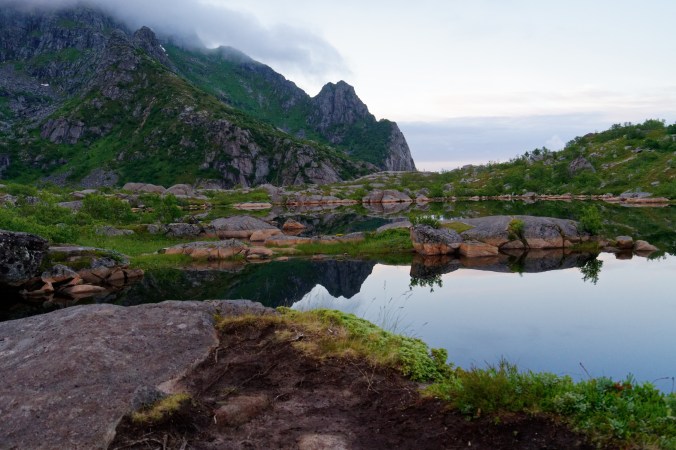
DSC00447_DxODawn follows sunset within the space of half an hour: one moment, daylight is a golden red; the next, a cool morning blue. Astonishing. As if the world is birthing itself anew before your eyes; the diurnal cycle of hours unending, a joyful noise unto the interstices of time. And yet my mind rushes to imagine its biannual opposite: here, Nordspeople living in unremitting darkness for many winter months.
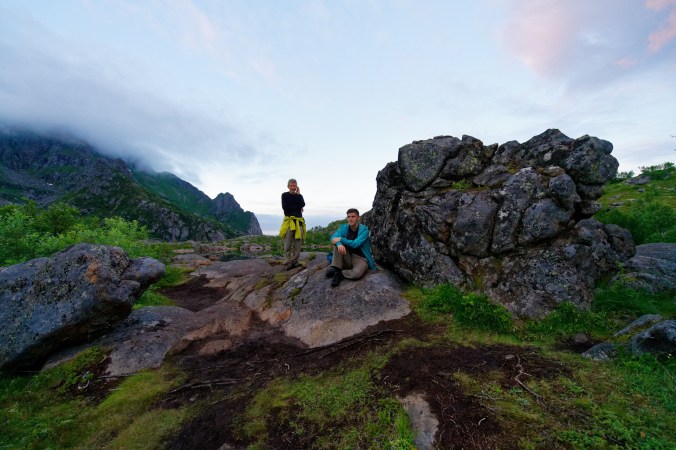
DSC00460_DxOLast night, as we drove back to our Svolvaer flat at 1:30 am following a midnight hike in Henningsvaer in failed chase of a full view of the storied midnight sun (failed because, at the critical moment, we lacked the necessary northern sightlines), I noted that home after home in this town left a light illuminated indoors. They couldn’t get enough of it, even during the summer, I thought, perhaps a bit morbidly.

In the Lofoten Islands, where precipitous crags of mountainsides drop into green, lichen-covered gray and white sandy strips of habitable earth, all life here bows before the drama of landscape. Nature accompanies one’s every movement and moment. DSC00337_DxOLooking out a window: rays of sun shine between the mountaintop ridge and the fluffy cumulus. Walking the street from home to café beneath a looming cliff. Crisp air everywhere: it’s mid-July, and hovering around 50 degrees.

Good night.

— Sarah, 18 July 2017

DSC00464_DxO-1 - Copy - Copy